 Diabetes In Control. A free weekly diabetes newsletter for Medical Professionals. News and information for Medical Professionals.
A new study explains that improved erectile function, sexual desire and lower urinary tract symptoms are enhanced by weight loss in obese men with type 2 diabetes….
Read More »Alpha-Lipoic Acid May Improve Diabetic Polyneuropathy
Four years of treatment with alpha-lipoic acid for diabetic polyneuropathy failed to achieve the study’s primary endpoint but did yield some clinically meaningful improvements, an international team reports.…
Read More »Why the FDA Said No to First In Class Dapagliflozin
The FDA’s Endocrinologic and Metabolic Drugs Advisory Committee (EMDAC) voted 9 to 6 against recommending the approval of the first in class novel antidiabetic agent dapagliflozin, largely because of fears that the product may cause breast and bladder cancer.… The EMDAC panel was also concerned about a lack of pharmacokinetic …
Read More »Physical Activity by Women at High Risk of Diabetes
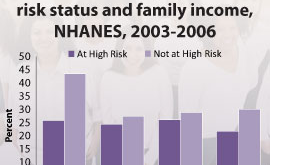
Women should get at least 150 minutes of physical activity each week to help reduce their risk of developing type 2 diabetes.…
Read More »Dentists: The Forgotten Link
Researchers say that dentists can help identify patients with diabetes or pre-diabetic conditions.…
Read More »Managing Clinical Problems in Diabetes, Case Study #12: Psychological Issues and Quality of Life
Edited by Trisha Dunning AM, RN, MEd, PhD, CDE, FRCNA and Glenn Ward MBBS, BSc, DPhil (Oxon), FRACP, FRCPath Mrs. MJ was referred to a diabetes centre by her GP. Mrs. MJ, a 60-year-old woman with type 2 diabetes since 2000, presents with…
Read More »Effect of GLP-1 on Cardiovascular Risk Factors

Glucagon-like peptide-1 mimetics improve certain cardiovascular risk factors, although it is unclear if the observed benefits are direct effects or indirect effects due to weight loss. Improvements in systolic blood pressure seen in exenatide and liraglutide trials are illustrated in Figure 3. The decreases in systolic blood pressure range from …
Read More »Working the Night Shift Puts Women at Higher Risk for Diabetes
Is working the night shift bad for you?…
Read More »HbA1C Test Poorly Predictive in Dialysis Patients
Conventional glucose control monitoring methods may not be as meaningful in diabetes patients with end-stage renal disease, researchers found. Patients on dialysis will normally show a lower A1c than they actually have, giving patients and physicians a false sense of security.… The Gold standard long-term glucose monitoring test for patients …
Read More »Mutations in the Skin Barrier Correlate with Increased Type 2 Diabetes Risk
Defective skin barrier function, as evidenced by common filaggrin mutations, may predispose patients to type 2 diabetes.…
Read More »