 Diabetes In Control. A free weekly diabetes newsletter for Medical Professionals. News and information for Medical Professionals.
Edited by Trisha Dunning AM, RN, MEd, PhD, CDE, FRCNA and Glenn Ward MBBS, BSc, DPhil (Oxon), FRACP, FRCPath Mrs. MJ was referred to a diabetes centre by her GP. Mrs. MJ, a 60-year-old woman with type 2 diabetes since 2000, presents with…
Read More »Effect of GLP-1 on Cardiovascular Risk Factors

Glucagon-like peptide-1 mimetics improve certain cardiovascular risk factors, although it is unclear if the observed benefits are direct effects or indirect effects due to weight loss. Improvements in systolic blood pressure seen in exenatide and liraglutide trials are illustrated in Figure 3. The decreases in systolic blood pressure range from …
Read More »Working the Night Shift Puts Women at Higher Risk for Diabetes
Is working the night shift bad for you?…
Read More »HbA1C Test Poorly Predictive in Dialysis Patients
Conventional glucose control monitoring methods may not be as meaningful in diabetes patients with end-stage renal disease, researchers found. Patients on dialysis will normally show a lower A1c than they actually have, giving patients and physicians a false sense of security.… The Gold standard long-term glucose monitoring test for patients …
Read More »Mutations in the Skin Barrier Correlate with Increased Type 2 Diabetes Risk
Defective skin barrier function, as evidenced by common filaggrin mutations, may predispose patients to type 2 diabetes.…
Read More »In Diabetes Patients, Good Scores on Bone Tests May Not Rule Out Risk
Although many older diabetes patients have good bone density scores, they are as prone to fractures as people with osteoporosis.…
Read More »Diagnosis and Management of Diabetic Neuropathies, Part 5 of 5
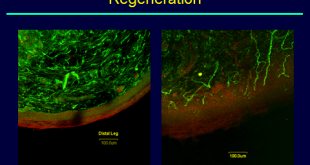
This week we finish up our Homerun Slides series from Dr. Aaron Vinik.…
Read More »Diagnosis and Management of Diabetic Neuropathies, Part 4 of 5
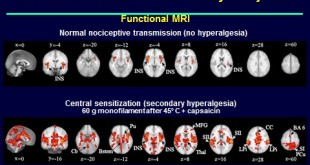
This week’s slide collection courtesy Dr. Aaron Vinik, includes coverage of the advantages of fMRI scans and the most commonly used pain scales….
Read More »Diabetes Poses Less Cardio Risk for Women
In a study of asymptomatic patients with type 2 diabetes, women had a lower cardiac event rate than men, although screening for silent myocardial ischemia did not benefit either sex.…
Read More »Diagnosis and Management of Diabetic Neuropathies, Part 3 of 5
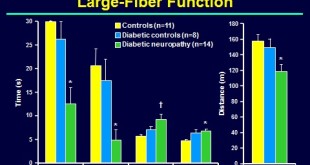
"On inspection the feet may look normal. There may be autonomic features of dry skin; distended veins that fail to collapse on raising the feet first described by my mentor Professor John Ward, There may be neuropathic oedema."
Read More »