Jan 2, 2026
Articles, Diabetes, Nephrology, Therapies, Type 2 Diabetes, Type 2 Diabetes
1,464 views
As the burden of diabetic kidney disease (DKD) continues to grow, so does the urgency for early, evidence-based interventions. The concept of kidney protection diabetes is shifting—clinicians are now encouraged to initiate therapy before substantial kidney function loss occurs. Two major drug classes—SGLT2 inhibitors and GLP‑1 receptor agonists—are leading …
Read More »
Dec 25, 2025
Blood Glucose Control, Blood Glucose Control, Diabetes, Geriatric Medicine, Therapies, Type 2 Diabetes, Type 2 Diabetes
2,824 views
Managing diabetes in older adults isn’t just about adjusting medications—it’s about seeing the full picture of aging, frailty, and functionality. New 2025 standards highlight the need to assess frailty and functional status when setting A1C goals in elderly patients. But how do clinicians know when it’s time to de-intensify therapy …
Read More »
Dec 25, 2025
Articles, Cardiology, Diabetes, Nephrology, Therapies, Type 2 Diabetes, Type 2 Diabetes
1,468 views
The CKM framework in diabetes care—focusing on cardiovascular, kidney, and metabolic health—is more than a trend. It’s a clinical necessity. The ADA’s 2025 Standards of Care urge clinicians to manage these overlapping risks together, not separately. Why? Because patients with diabetes deserve outcomes that go beyond just A1C. This article …
Read More »
Dec 20, 2025
Articles, Diabetes, Pediatrics, Type 1 Diabetes
1,395 views
When a child is diagnosed with diabetes, the clinical response extends beyond prescriptions and in-office education. Managing this chronic condition in school settings presents unique challenges and opportunities. For clinicians, understanding how to support diabetes management at school is essential—not only to safeguard the student’s health, but to empower families …
Read More »
Dec 19, 2025
Diabetes, Mental Health, Type 1 Diabetes, Type 1 Diabetes, Type 2 Diabetes, Type 2 Diabetes
1,834 views
Diabetes distress and burnout are common but often overlooked challenges affecting people with diabetes. These emotional burdens can negatively influence self‑management, medication adherence, and glycemic control. In routine clinical visits, especially those limited to 15 minutes, clinicians may struggle to address emotional and psychological concerns alongside medical management. However, integrating …
Read More »
Dec 19, 2025
Articles, Diabetes, Mental Health, Type 2 Diabetes, Type 2 Diabetes
1,582 views
Diabetes stigma in healthcare, especially when conveyed through subtle or unintentional language, can erode trust between clinicians and patients, reduce engagement in self‑management, and ultimately worsen outcomes. Yet many healthcare providers may not even realize how the words they use can have lasting effects on patient motivation and behavior. What …
Read More »
Dec 11, 2025
Articles, Blood Glucose Control, Geriatric Medicine, Therapies, Type 2 Diabetes
8,324 views
As more patients with diabetes achieve and maintain glycemic targets, the conversation is shifting from “how can we intensify therapy?” to “when is it safe and appropriate to de‑intensify diabetes therapy?” De‑intensify diabetes therapy is becoming a high‑value clinical goal for many clinicians caring for adults with type 2 diabetes, …
Read More »
Dec 11, 2025
Articles, Diabetes, Geriatric Medicine, Physical Activity, Type 2 Diabetes, Type 2 Diabetes
1,511 views
In clinical practice, caring for a diabetes in aging population goes far beyond optimizing hemoglobin A1C. While glycemic control remains central, older adults with diabetes often face unique challenges such as sarcopenia, increased risk of falls, and progressive loss of functional independence. How can clinicians proactively identify these risks and …
Read More »
Dec 11, 2025
Articles, Diabetes, Gastroenterology, Geriatric Medicine, Neurology, Oncology, Prevention, Type 2 Diabetes, Type 2 Diabetes
1,531 views
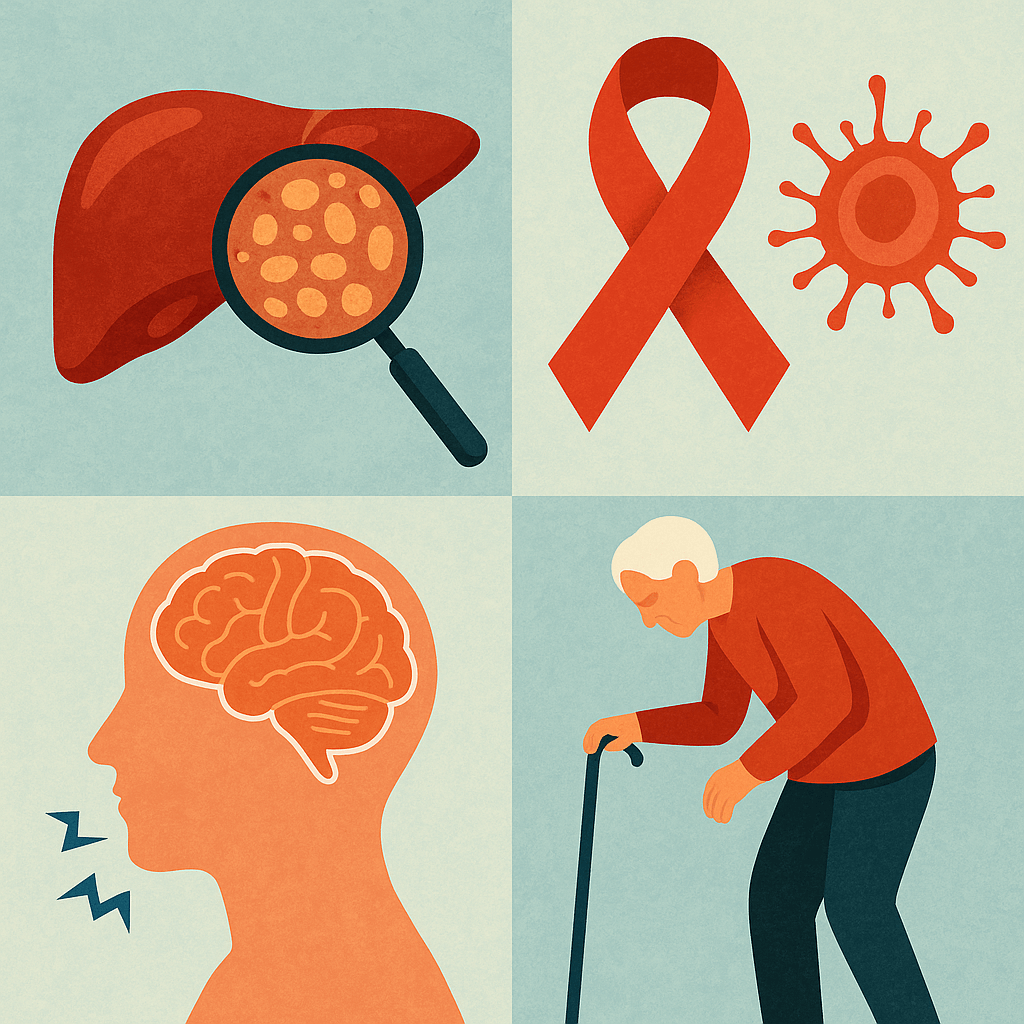
Early in training, many clinicians learn the classic “eye–kidney–foot” framework for recognizing and managing complications of diabetes. However, as science advances, the range of recognized consequences of diabetes—and opportunities for earlier intervention—continues to broaden. Today, the concept of diabetes complications screening must evolve to include conditions such as metabolic dysfunction–associated …
Read More »
Dec 11, 2025
Articles, Cardiology, Diabetes, Therapies, Type 2 Diabetes, Type 2 Diabetes
2,618 views
Clinicians and care teams are increasingly focused on GLP‑1 receptor agonists, but SGLT2 inhibitors and metformin in diabetes management remain foundational in achieving comprehensive, evidence‑based outcomes. While GLP‑1 therapies generate headlines for weight loss and glucose control, 2025 guidelines still strongly emphasize the cardioprotective and renoprotective benefits of SGLT2 inhibitors …
Read More »
 Diabetes In Control. A free weekly diabetes newsletter for Medical Professionals. News and information for Medical Professionals.