 Diabetes In Control. A free weekly diabetes newsletter for Medical Professionals. News and information for Medical Professionals.
A new interactive mobile phone app called DiabetesIQ, released this week, challenges people to test their knowledge of diabetes and to compete with one another as they learn about the complexities of the disease.…
Read More »Almonds Can Improve Diabetes Control
Two new studies into the potential health benefits of eating almonds have supported evidence that they can help people with type 2 diabetes to maintain their blood glucose and cholesterol levels.…
Read More »New Study Confirms Diabetes Linked to Colon Cancer Risk
A new research review confirms that people with diabetes have a somewhat increased risk of colon cancer — but the reasons for the connection, and what should be done about it, remain unclear….
Read More »Salsalate Improves Glycemic Control in Newly Diagnosed Type 2’s
The results show that salsalate is effective in improving glycemic control in newly diagnosed naive patients with type 2 diabetes.…
Read More »Viewpoints on Early Insulin Initiation
Diabetes In Control staff contacted several physicians all across the US to find out what they had to say about early insulin initiation. What they said may surprise you….
Read More »Dr. Stanley Schwartz on Early Insulin Use

Stanley Schwartz, MD, FACP, FACE, shares his views on early insulin initiation. Insulin is the most effective agent available for lowering glycemia. If given in appropriate doses, insulin may decrease any elevated HbA1c to, or close to, the therapeutic goal. However, insulin therapy is associated with weight gain of 2 …
Read More »Dr. Aaron I. Vinik on Early Insulin Use in the Progression of Diabetes

One of the leading diabetes researchers in the world, Dr. Aaron I. Vinik, Director of Research and Neuroendocrine Unit, EVMS Strelitz Diabetes Research Center, shares his views on early insulin initiation. The natural history of type 2 Diabetes (T2DM) is a progressive worsening of glycemic control as a consequence of …
Read More »Early Use of Insulin to Improve Beta Cell Preservation
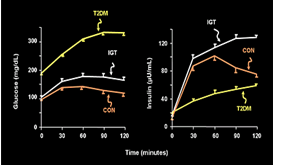
By David Joffe, BSPharm, CDE; Steve Freed, BSPharm CPT; Brandon Flohr, PharmD, and Vanessa Cepero, PharmD, CVS Pharmacy Type 2 diabetes is a heterogeneous disorder, characterized by glucotoxicity, beta cell dysfunction and decreased insulin sensitivity. Presence of amyloid deposits in the islets and decreased beta cell mass are the pathological hallmark …
Read More »Managing Clinical Problems in Diabetes, Case Study #23: Type 1 and Pre-Teens

Edited by Trisha Dunning AM, RN, MEd, PhD, CDE, FRCNA and Glenn Ward MBBS, BSc, DPhil (Oxon), FRACP, FRCPath Jade, an 11-year-old girl, was admitted via the emergency department with hyperglycemia, ketonuria and a weight loss of 6 kg over the past 4 weeks. The only history of diabetes in …
Read More »Pathophysiology in the Treatment of Type 2 Diabetes: Newer Agents, Part 5 of 5
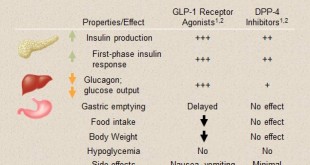
This week we conclude our five-part series of Homerun Slides on Pathophysiology in the Treatment of Type 2 Diabetes: New Agents. This week’s slides include coverage of Liraglutide and Pramlintide….
Read More »