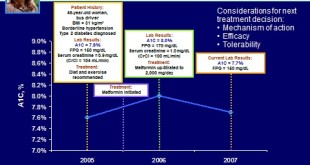
With this week’s Homerun Slides, we wrap up our short series on core defects of type 2 diabetes covering topics including: understanding the regulation of glucose homeostasis, the key pathophysiologic defects in type 2 diabetes mellitus, the rationale for more aggressive approaches to the treatment of type 2 diabetes, …
Read More »Joslin’s Diabetes Deskbook, Updated 2nd Ed., Excerpt #33: Patient Education, Part 1
Elizabeth Blair, MSN, PARN, BC, CDE The week’s excerpt answers the following questions: How do you determine the patient’s knowledge and skill base? What is the emotional component? How can you negotiate goals with a patient? What are the important survival skills that every patient needs to know? What are …
Read More »Tartoos
Tartoos Tartoos ("targeted tattoos") are temporary tattoos that offer a simple solution to a daily challenge: injecting insulin, anti-coagulants, or other injectable medications in different locations to avoid lipohypertrophy. The reason to vary injection sites is simple: using the same site too often will cause slower insulin absorption (time to peak …
Read More »FDA Advisory Panel Votes to Remove Avandia’s Highly Restrictive Label
A panel of FDA advisers has voted to ease restrictions on access to Avandia (rosiglitazone), a past blockbuster drug brought low by reports that it increased the risk of heart attacks….
Read More »Artificial Sweeteners May Affect Blood Glucose Levels and Insulin Response
Sucralose, the artificial sweetener of Splenda®, was found to have an effect on the absorption of glucose and subsequent insulin secretion in non-diabetic, obese individuals…. M. Yanina Pepino, PhD, and colleagues out of Washington University School of Medicine, St. Louis, began looking at non-nutritive sweeteners such as Splenda® (sucralose) and …
Read More »Immune Protein May Prevent the Progression of Type 1 Diabetes
Scientists determine an immune protein, CD52, suppresses the autoimmune response against pancreatic beta cells….
Read More »Excessive Coffee Can Block Weight Loss
Studies found that chlorogenic acid, commonly found in coffee, failed to improve metabolic parameters in obese mice….
Read More »Scientist Use Bone Marrow Stem Cells to Cure Type 1 Diabetes
University of Missouri researchers have used adult bone marrow stem cells along with a novel anti-inflammatory drug to cure type 1 diabetes in mice….
Read More »ACP: New Recommendations Regarding Blood Glucose Control
Intensive insulin therapy leads to increased risk of hypoglycemia in ICU patients without any added benefit….
Read More »High Potency Statins Associated with Developing Diabetes
New study shows that patients treated with atorvastatin had a 22% increase in the risk new-onset of diabetes….
Read More »
Diabetes In Control. A free weekly diabetes newsletter for Medical Professionals. News and information for Medical Professionals.