 Diabetes In Control. A free weekly diabetes newsletter for Medical Professionals. News and information for Medical Professionals.
In this week's Homerun Slides, medication trial results, long-acting insulins, and treating prediabetes.
Read More »Diabetes 2017 Part 4

In this week's Homerun Slides, medication trial results, long-acting insulins, and treating prediabetes.
Read More »
Hypertriglyceridemia and low HDL cholesterol, increased risk of type 2 diabetes: Under fasting conditions, the liver of subjects with NAFLD overproduces triglyceride-enriched VLDL particles despite hyperinsulinemia when compared to equally obese subjects without NAFLD. Insulin normally decreases production of VLDL by inhibiting adipose tissue lipolysis, and by directly suppressing hepatic production of VLDL.
Read More »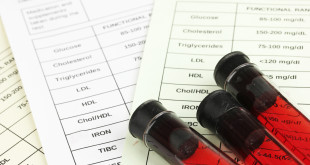
Coronary artery calcium (CAC) scores better at predicting risk of cardiovascular disease (CVD) event in patients with type 2 than traditional scores.
Read More »
UK-based study compares drug classes over 4-year period.
Read More »
Study compares effectiveness of oral GLP-1 medication over injection.
Read More »
Determining which patients benefit most from lifestyle, metformin interventions may improve individualized care decisions.
Read More »
By Sheri R. Colberg, PhD: Much of the research on length of life for individuals living with type 1 diabetes is pessimistic, which makes a new study released recently a breath of fresh air. Data were collected for the ongoing nationwide, multicenter, Finnish Diabetic Nephropathy (FinnDiane) Study that tracked the death rate of 2,639 study participants.
Read More »
A 47-year-old patient has done an excellent job with lifestyle modifications and medication adherence. However, she has not been able to yet achieve her individualized A1C goal. Her current regimen consists of a metformin, sitagliptin, and insulin detemir (insulin started 4 months prior). However, over the past month as she has titrated her basal insulin toward her A1C goal, her self-glucose blood monitoring log shows large drops in her overnight glucose levels. After consulting with the treatment team, you decide to add rapid-acting prandial insulin to her regimen. How would you implement this strategy? A. Decrease the basal insulin dose and add 1 daily prandial injection before the smallest meal of the day. B. Decrease the basal insulin dose and add 1 daily prandial injection before the largest meal of the day. C. Maintain the basal insulin dose and add 1 daily prandial injection before the smallest meal of the day. D. Maintain the basal insulin dose and add 1 daily prandial injection before the largest meal of the day. Follow the link for the answer.
Read More »
For your patients with an A1c of 6 to 6.4%, how much time do you allow them to use diet and exercise to lower their A1c before adding a medication? Follow the link to see how you compare to your colleagues.
Read More »
Dr. William Polonsky is President and Founder of the Behavioral Diabetes Institute, the world's first organization wholly dedicated to studying and addressing the unmet psychological needs of people with diabetes.
Read More »