Sep 11, 2018
ADA 2018, Diet & Nutrition, Exclusive Interviews, Videos
2,259 views
In part 5, the conclusion of this Exclusive Interview, Alpana Shukla talks with Diabetes in Control Medical Editor Joy Pape about the future of this research and plans for the next study.
Read More »
Sep 8, 2018
Articles, Cardiology
5,090 views
Heart disease said cause of one on every four deaths in the U.S.
Read More »
Sep 8, 2018
Articles, Diet & Nutrition
16,323 views
New study shows that nut intake may improve glycemic control and reduce risk of cardiovascular disease in people who have type 2 diabetes.
Read More »
Sep 8, 2018
Articles, Diet & Nutrition, Obesity, Prediabetes
3,637 views
Study reveals men and woman with pre-diabetes respond differently to low energy diets and rapid weight loss.
Read More »
Sep 8, 2018
Articles, Gastroenterology, Type 1 Diabetes
8,115 views
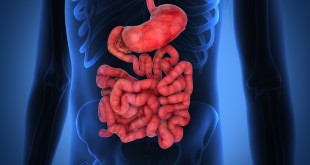
A new study finds that proteins found in the gut can distinguish patients with type 1 diabetes and islet autoimmunity from healthy individuals.
Read More »
Sep 8, 2018
Articles, Oncology, Women's Health
2,785 views
Women with diabetes are at higher risk for oral cancer, kidney cancer, stomach cancer, and leukemia than their male counterparts, a new study shows.
Read More »
Sep 8, 2018
Test Your Knowledge
2,334 views
What is most important when evaluating CGM?
A. Accurately evaluating glucose levels in the hypoglycemic range
B. Considering mean absolute relative differences in blood glucose (blood versus CGM value)
C. Considering patient-reported outcomes (positive experience and preference to or not to include CGM in their daily lives)
D. All of the above
Follow the link for the answer.
Read More »
Sep 8, 2018
Polls
1,726 views
Is medication compliance a major issue with your patients? Follow the link to see what your colleagues say.
Read More »
Sep 4, 2018
Disasters Averted
2,843 views
This is about one patient but the situation is not unusual for many patients who have type 2 diabetes and take insulin. Woman, 67 years of age, type 2 diabetes, taking Tresiba 15u every day at 11am and Victoza every morning upon arising, about 8am. She wears a CGM. Glucose levels were in target range for some time. Family reported patient was having some subtle cognitive changes. We did send her for neurologic evaluation.
Read More »
Sep 4, 2018
ADA 2018, Exclusive Interviews, Videos
4,611 views
Jon S. Odorico, MD, FACS is Director of the Pancreas and Islet Cell Transplantation Programs and Professor in the Department of Surgery, Division of Organ Transplantation at the University of Wisconsin-Madison School of Medicine and Public Health.
Read More »
 Diabetes In Control. A free weekly diabetes newsletter for Medical Professionals. News and information for Medical Professionals.