 Diabetes In Control. A free weekly diabetes newsletter for Medical Professionals. News and information for Medical Professionals.
People with type 2 diabetes found at increased risk for microvascular and macrovascular complications.
Read More »Family History of Diabetes and CHD Linked to Poorer Health Outcomes

People with type 2 diabetes found at increased risk for microvascular and macrovascular complications.
Read More »
FDA label change warns of increased risk of lactic acidosis in patients with severe renal dysfunction.
Read More »
Recent study explores link between disease and psychological well-being in older adults.
Read More »
A new study shows an association between nerve and gum diseases in patients with diabetes.
Read More »
Study shows at least one urologic complication was experienced during the course of seven years.
Read More »
Can neuromodulation prevent the onset of metabolic dysfunction associated with the onset of diabetes?
Read More »
What proportion of Americans age 45 y and older have self-reported memory problems?
A. 1 in 30Follow the link for the answer.
Read More »
In your opinion, which diabetes patients are the best candidates for CGM?
- Patients on more than five diabetes medications
- Patients unable to achieve their HbA1c goal despite focused efforts
- Patients with frequent or extreme glucose excursions (>200 mg/dL, within day or day-to-day)
- or All of the above?
Follow the link to see how you and your colleagues compare.
Read More »
In this Exclusive Interview transcript, Scott Isaacs talks with Diabetes in Control Medical Editor Joy Pape during the AACE 2018 convention in Boston about using meal replacements for obesity treatment.
Read More »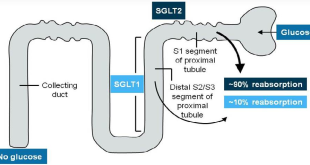
What is a SGLT2 Inhibitor? Sodium-glucose co-transporter 2 (SGLT2) inhibitors, also called gliflozin drugs, are a new class of diabetic medications indicated for the treatment of type 2 diabetes. They have also been found to show cardiac benefits in patients with diabetes, and are being studied for possible use in type 1 diabetes. They work by reducing the absorption of glucose via the kidneys so that excess glucose is excreted through urination.
Read More »