 Diabetes In Control. A free weekly diabetes newsletter for Medical Professionals. News and information for Medical Professionals.
Flu season is upon us; what does that mean for patients with type 2 diabetes?
Read More »Influenza Virus Causes Potential Hospitalizations in Patients with Type 2 Diabetes

Flu season is upon us; what does that mean for patients with type 2 diabetes?
Read More »
By Sheri Colberg, PhD
I often get asked, “What is the best time of day to exercise?” Like most things related to physical activity—especially with diabetes as an added variable—the answer often is, “It depends.” What is your goal for being active? Are you trying to better balance your blood glucose, or is weight loss your goal? Do you take insulin? What is your normal diet? How much time do you have? Which activities? There are so many questions that likely need answering before you may be able to ascertain the best time for you personally to be active.
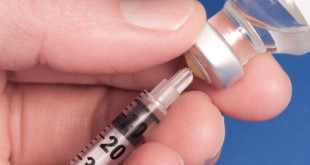
As the incidence of diabetes increases, insulin use can reasonably be expected to increase, and the mistakes will no doubt increase as well. Insulin is a very powerful medication, and some of these mistakes will require the ambulance, the hospital, or worse.
Read More »
FDA has approved a new treatment for diabetic kidney disease, which affects one in three patients with type 2 diabetes.
Read More »
Last week I saw a patient who seemed to be losing control of her blood glucose levels. She had been doing well and her A1c had been around 6.0 - 6.3 for the past couple of years. She was doing this while only on metformin 1000 twice a day. She was referred to me by her physician because of high after-meal readings ranging up to 350 mg/dl. I went over her medical history and medications looking for a possible problem and found nothing.
Read More »
By Sheri Colberg, PhD
For all the time that I spend praising the “miracle” of being physically active to help better manage diabetes and health, there are times when exercising does lead to better managed blood glucose and times when it does not. It is not always possible to predict the glycemic outcomes in all cases either, although individual patterns and responses can be determined over time. It is helpful to know the main factors that are predictive of outcomes.
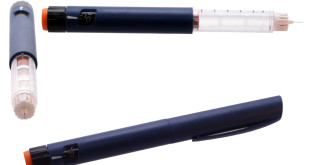
My colleague and I were working with a client new to insulin. We each saw him separately. He was taking Lantus and Humalog by syringe at meals. He had been taught how to use the syringe by his physician's office staff. He was claiming much different numbers than expected for his mealtime doses.
Read More »
Diabetes in Control recently asked our readers to help us examine the future of insulin delivery. See for yourself how your fellow members of the diabetes community plan on using insulin pumps and/or smart pens, now and in the future.
Read More »
After starting a new medication (gabapentin) for his neuropathy, a patient of mine gained 30lbs and presented with peripheral edema without symptoms.
Read More »
by Sheri R. Colberg, PhD
Adequate fluid intake is essential to living well at any age, and being dehydrated can impact your health and your athletic endeavors. While it is harder to stay hydrated when exercising in the heat, you can dehydrate under other conditions—even during exercise in cold temperatures if you wear lots of clothing and sweat underneath it. As people grow older, they also begin to lose some of their normal thirst sensations, thereby increasing the risk for dehydration unless they make a conscious effort to drink more.