 Diabetes In Control. A free weekly diabetes newsletter for Medical Professionals. News and information for Medical Professionals.
Findings show Parkinson’s disease risk is reduced in patients with type 2 diabetes mellitus (T2DM) after treatment with exenatide.
Read More »Common Diabetes Medication as Treatment for Parkinson’s Disease

Findings show Parkinson’s disease risk is reduced in patients with type 2 diabetes mellitus (T2DM) after treatment with exenatide.
Read More »
Researchers continue to uncover the many ways uncontrolled hyperglycemia can damage the body.
Read More »
Empagliflozin significantly lowered LVMi, systolic blood pressure, and diastolic blood pressure in patients with CAD and type 2 diabetes.
Read More »
A diabetes patient’s risk for chronic kidney disease or cardiovascular disease can be impacted by various factors, including ethnic background.
Read More »
Metformin use was associated with lower inflammatory markers before surgery, leading to improved outcomes post-surgery.
Read More »
American Diabetes Association guidelines recommend that combination therapy be started in patients with unachieved glycemic control within three months.
Read More »
Just one lifestyle modification can go a long way.
Read More »
Researchers say static electromagnetic fields (EMFs) could be a non-invasive and safe way of managing blood glucose.
Read More »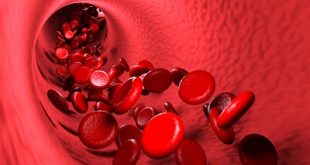
A new study shows that resolving iron deficiency and or vitamin B12 deficiency anemia may affect A1c levels. One of the most common tools used to screen for and evaluate a person’s control of diabetes is a glycated hemoglobin (A1c) test. An A1c test is advantageous because it reflects a patient’s …
Read More »
By Sheri Colberg, PhD
In the past, most elite athletes attempted to improve performance through strategies to achieve "high CHO availability," meaning building up adequate pre-exercise glycogen levels and carbohydrate intake during the competition to meet fuel needs, but more recently many have aimed instead for a strategy called "low CHO availability."