 Diabetes In Control. A free weekly diabetes newsletter for Medical Professionals. News and information for Medical Professionals.
Eight-week aerobic exercise program had a major impact on fasting blood sugar, HbA1c, high-density lipoprotein, low-density lipoprotein, and quality of life in patients with type 2 diabetes.…
Read More »Using Muffins to Diagnose Diabetes
The “muffin test” — an alternative to the oral glucose tolerance test for detecting impaired glucose tolerance….
Read More »DPP-4 Inhibitor Survey
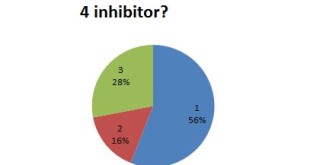
During my frequent visits to prescribers’ offices I get a chance to see their prescribing habits. When it comes to DPP-4 inhibitors, medical professionals seem to have similar opinions on how to use each of the drugs from this class. But to test this theory, we contacted 25 primary care …
Read More »Role of DPP-4 Inhibitors in Clinical Practice

The dipeptidyl peptidase-4 (DPP-4) inhibitors are a newer class of oral drugs for the treatment of type 2 diabetes. They inhibit the breakdown of glucagon-like peptide-1 (GLP-1) and increase the incretin effect in patients with type 2 diabetes. In clinical practice they are associated with significant reductions in HbA1c, no …
Read More »Use of Incretin-Related Medications Will Grow by 47 Percent
A new study found that the incretin-related medications will see the strongest growth among type 2 diabetes drugs over the next nine years.…
Read More »Even a Low Level of Physical Activity Helps Cut Mortality Risk in Metabolic Syndrome
For individuals with metabolic syndrome, physical activity is associated with a reduced risk of mortality from all causes and from cardiovascular causes….
Read More »Insulin Sensitizers Limit Muscle Loss in Older Diabetes Patients
Insulin sensitizers may limit the muscle loss seen in elderly men with type 2 diabetes.…
Read More »FDA Approves BYETTA® for Use with Insulin Glargine in the U.S.
Patients in pivotal study achieved better glycemic control and lost on average 4 pounds without increased risk for hypoglycemia versus insulin glargine alone, dropping their A1c 1.7%.…
Read More »New Guidelines Promote Continuous Glucose Monitoring in Type 1’s
Both pediatric and adult patients with type 1 diabetes should use CGM to measure blood glucose levels, according to new guidelines.…
Read More »Gene Behind Birth Defects in Babies of Moms with Diabetes Identified
Scientists have identified a key enzyme that significantly increases the risk of neural tube defects such as spina bifida and some heart defects among babies born to women with diabetes.…
Read More »