Sep 6, 2012
Articles, GLP-1 Agonist Therapy Center
2,664 views
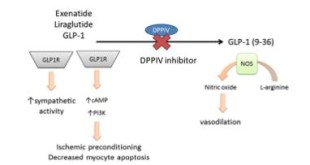
Cierra Harden PharmD Candidate 2013 LECOM School of Pharmacy, Bradenton Obesity is a major risk factor for the development of diabetes as well as predisposing individuals to hypertension and dyslipidemia. In the United States, 54.8% of persons with diabetes are obese, and 85.2% are overweight or obese1. All of these …
Read More »
Sep 6, 2012
Articles, GLP-1 Agonist Therapy Center
3,830 views
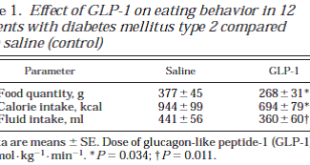
Alan Mathis PharmD Candidate 2013 University of Florida GLP-1 analogs not only improve plasma glucose levels and reduce HbA1c, but also improve metabolic effects such as reduction in BMI, waist circumference, and improve cardiovascular health. Diabetic patients, especially with type 2 diabetes, tend to have poor diets and sedentary lifestyle …
Read More »
Sep 6, 2012
Articles, GLP-1 Agonist Therapy Center
3,902 views
Andre McMahon, PharmD Candidate UF College of Pharmacy Achieving glycemic control is a critical goal in the management of patients with type 2 diabetes mellitus (DM). Hyperglycemia contributes to the progression of DM by adversely affecting both the body’s sensitivity to insulin and beta-cell function. Type 2 DM results from …
Read More »
Aug 31, 2012
Articles, Dermatology
2,257 views
A new study of the entire Danish population confirms previous reports of increased risk of diabetes mellitus in patients with psoriasis, and shows the risk increases with the severity of psoriasis….
Read More »
Aug 31, 2012
Articles
4,466 views
The use of A1c plus FPG had the best performance in reducing the likelihood of missing future cases of diabetes….
Read More »
Aug 31, 2012
Articles
14,329 views
Walking or other light exercise after meals may reduce glucose levels by more than half in both healthy people and type 1 diabetes patients….
Read More »
Aug 31, 2012
Articles, Cardiology
2,360 views
Diabetes was associated with a 30% increased risk of developing cardiovascular conditions, including heart disease and stroke….
Read More »
Aug 31, 2012
Articles, Gastroenterology
2,354 views
Gastric emptying of solids and liquids, and gastrointestinal symptoms remain stable over time in patients with long-term type 1 and type 2 diabetes….
Read More »
Aug 31, 2012
Articles
2,405 views
The ALTITUDE trial, which was prematurely halted, showed that when added to monotherapy with either an ACE inhibitor or an ARB, aliskiren (Tekturna) did not improve outcomes in patients with type 2 diabetes who had high cardiovascular and renal risk….
Read More »
Aug 31, 2012
Articles
1,491 views
Even normotensive patients with diabetes can reduce their risk of heart attack, stroke, and renal failure by lowering blood pressure….
Read More »
 Diabetes In Control. A free weekly diabetes newsletter for Medical Professionals. News and information for Medical Professionals.