Mar 4, 2026
Articles, Blood Glucose Control, Blood Glucose Control, Diabetes, Exercise, Physical Activity, Type 2 Diabetes, Type 2 Diabetes
1,853 views
As GLP-1 receptor agonists become a mainstay in type 2 diabetes and obesity care, more patients are pairing medication with structured training programs. However, how do GLP-1 medications actually influence metabolism during exercise? Questions about fueling, endurance, fatigue, and muscle adaptation are becoming more common in clinical practice. The relationship …
Read More »
Mar 3, 2026
Articles, Therapies, Type 2 Diabetes, Type 2 Diabetes
2,737 views
Using GLP-1 therapy for lean type 2 diabetes challenges a long-standing assumption in diabetes care: that glucagon-like peptide-1 receptor agonists are primarily for patients with obesity. But what if body mass index is not the right guide for treatment decisions? Lean individuals with type 2 diabetes often exhibit insulin resistance, …
Read More »
Mar 3, 2026
Articles, Diabetes, Type 2 Diabetes, Type 2 Diabetes
3,374 views
Can a medication designed to lower blood sugar also influence how the body handles iron? As research into the link between GLP-1 therapy and iron metabolism grows, scientists are beginning to explore how incretin signaling may intersect with inflammation, anemia, and iron regulation pathways. While GLP-1 receptor agonists are widely …
Read More »
Mar 2, 2026
Articles, Diabetes, Obesity, Safety, Type 2 Diabetes, Type 2 Diabetes
3,597 views
The expanding use of GLP-1 receptor agonists for type 2 diabetes and obesity has transformed metabolic care. However, growing awareness of the potential gallbladder risks associated with GLP-1 therapy has prompted clinicians to take a closer look at hepatobiliary safety. Rapid weight loss and altered bile composition during treatment may …
Read More »
Mar 2, 2026
Articles, Diabetes, Neuropathy & Pain, Type 2 Diabetes, Type 2 Diabetes
2,904 views
Cardiovascular outcomes often dominate discussions about GLP-1 receptor agonists, but what about nerve health? Growing interest in GLP-1 diabetic neuropathy reflects a broader shift toward understanding microvascular complications beyond heart disease. While medications such as semaglutide (Ozempic), dulaglutide (Trulicity), and liraglutide (Victoza) have proven cardiovascular benefits, their potential influence on …
Read More »
Feb 27, 2026
Articles, Therapies, Type 2 Diabetes, Type 2 Diabetes
3,310 views
As GLP-1 receptor agonists dominate headlines and prescribing trends, many clinicians wonder whether older therapies are losing relevance. However, SGLT2 inhibitors remain foundational in type 2 diabetes care. More importantly, evidence now supports the use of SGLT2 inhibitors and GLP-1 combination therapy in patients at high cardiovascular and renal risk. …
Read More »
Feb 27, 2026
AI-news, Articles, Devices, Diabetes, Ophthalmology
3,195 views
In 2026, diabetic retinopathy screening is entering a new era driven by artificial intelligence, tele-retinal imaging, and smarter integration into primary care workflows. Despite improved glucose monitoring and widespread use of CGM systems, diabetic retinopathy remains a leading cause of preventable blindness in adults with diabetes. So how can clinicians …
Read More »
Feb 26, 2026
Articles, Blood Glucose Control, Blood Glucose Control, Diabetes, Insulin Therapy Center, Type 2 Diabetes, Type 2 Diabetes
1,848 views
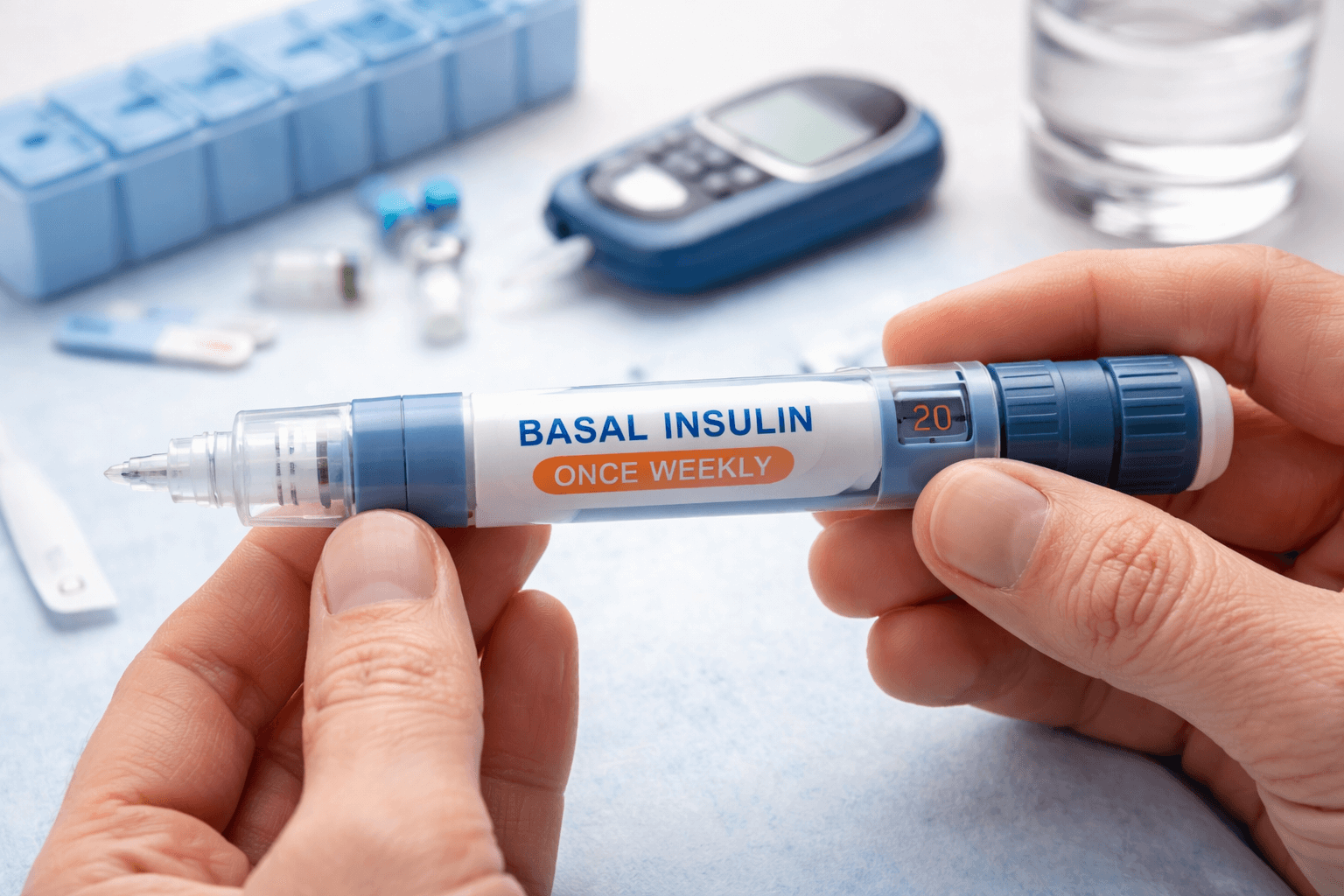
The arrival of a once-weekly basal insulin option marks one of the most meaningful advances in insulin therapy in decades. For years, daily basal injections have been the standard of care for people with type 1 and type 2 diabetes. However, many patients struggle with adherence, missed doses, and therapeutic …
Read More »
Feb 26, 2026
Articles
2,529 views
Inflammation sits at the heart of cardiometabolic disease. While GLP-1 receptor agonists are best known for improving glycemic control and supporting weight loss, emerging research suggests their role may extend further. Could the anti-inflammatory effects of GLP-1 therapies help explain some of the cardiovascular benefits observed in large outcome trials? …
Read More »
Feb 25, 2026
Articles, Cardiology, Diabetes, GLP- 1 Agonist Therapy Center, GLP-1 Agonist Therapy Center
9,802 views
Changes in resting heart rate with GLP-1 receptor agonists have become an important topic in diabetes and cardiometabolic care. As glucagon-like peptide-1 receptor agonists such as semaglutide, liraglutide, and dulaglutide gain widespread use, clinicians often notice a modest rise in resting heart rate. Should this increase raise concern, especially in …
Read More »
 Diabetes In Control. A free weekly diabetes newsletter for Medical Professionals. News and information for Medical Professionals.