Oct 22, 2016
Articles
6,089 views
Interview with Dr. John Higgins, M.D., and Steve Freed, Publisher of www.diabetesincontrol.com. John Higgins, MD, Associate Professor, Department of Systems Biology, Harvard Medical School, Department of Pathology, Massachusetts General Hospital.
Read More »
Oct 22, 2016
Articles, Cardiology
3,531 views
Job insecurity found to prompt 19% increase in diabetes, myocardial infarction or coronary death risk.
Read More »
Oct 22, 2016
Articles, GLP-1 Agonist Therapy Center
24,267 views
Study focuses on differences in clinical outcomes between initiating glucagon-like peptide-1 receptor agonist (GLP-1 RAs) vs. insulin treatment in patients with type 2 treated with oral glucose-lowering medications (OGLM).
Read More »
Oct 22, 2016
Articles, Obesity
4,318 views
Study finds clinicians less likely to counsel less educated, and younger and older patients.
Read More »
Oct 15, 2016
Articles, Blood Glucose Control, Pediatrics, Type 1 Diabetes
38,271 views
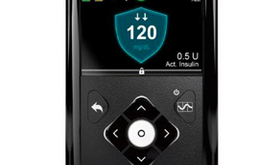
Device automatically monitors blood glucose levels and delivers insulin when appropriate for people age 14 years and older who have type 1 diabetes.
Read More »
Oct 15, 2016
Articles, Blood Glucose Control, Cardiology, Type 2 Diabetes
3,646 views
Semaglutide reduced major cardiovascular events by 26% in adults with type 2 at high cardiovascular risk.
Read More »
Oct 15, 2016
Articles, Cardiology
3,030 views
Patients treated for cholesterol lowering appear to have extra benefits.
Read More »
Oct 15, 2016
Articles, Cardiology
3,740 views
Research reveals important gaps in care.
Read More »
Oct 15, 2016
Articles, Featured Writers, Type 1 Diabetes, Type 2 Diabetes
7,173 views
For those healthcare providers who treat diabetes with any kind of regularity, it has become increasingly obvious that several of our patients fall outside the current diabetes classification system. With individualization of patient care being the new focus, it can be challenging to accomplish this, when certain diabetic individuals don’t “conform” to the current definitions.
Read More »
Oct 10, 2016
Articles, Bromocriptine-QR (Cycloset), Obesity, Type 2 Diabetes
10,080 views
I am a neuroendocrinologist by training, having received my Bachelor’s degree in biochemistry and molecular biology from the University of California, Santa Barbara and Master’s and Doctorate degrees from Louisiana State University (LSU) in physiology under the mentorship of Dr. Albert H. Meier. It was at LSU that my interest in the biological clock system and its role in the regulation of metabolic physiology was sparked by the revolutionary discoveries and elucidations made by Dr. Meier’s lab concerning biological clock mechanisms regulating physiology. He and his group in the early 1960s were the very first to demonstrate the existence in any organism of circadian rhythms of physiological responses to neuroendocrine factors. At LSU, I began investigating the possibility that modern human pathology of the metabolic syndrome (and several other progressive pathologies) was not a result of any “genetic defect” but of an environmentally induced (e.g., diet, stress, sleep-wake architecture) alteration of circadian neuroendocrine information presented to the clock system that then responded to direct the body to the obese/insulin resistant state as a survival response to such information.
Read More »
 Diabetes In Control. A free weekly diabetes newsletter for Medical Professionals. News and information for Medical Professionals.