 Diabetes In Control. A free weekly diabetes newsletter for Medical Professionals. News and information for Medical Professionals.
Letter from the Editor
 Most times when someone dies from the complications of diabetes, the cause of death is heart disease. This is well-documented. Our first article this week looks at new research pointing to how prediabetes can have the same effect. Many of our patients stress their cardiovascular system beyond normal by carrying extra weight.
One way that patients are helping their weight loss is by the use of intermittent fasting, and this week Dr. Benjamin Horne shares his views on how this works and the different options available.
*****************************
We can make a difference!
*****************************
Dave Joffe
Editor-in-chief
New Product: Tortoise-Inspired Technology Could Replace Insulin Injections
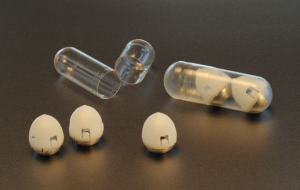 An MIT-led research team funded by Novo Nordisk has developed a drug capsule that could be used to deliver oral doses of insulin, potentially replacing the injections that people with type 2 diabetes have to give themselves every day. About the size of a blueberry, the capsule contains a small needle made of compressed insulin, which is injected after the capsule reaches the stomach. In tests in animals, the researchers showed that they could deliver enough insulin to lower glucose to levels comparable to those produced by injections given through skin. They also demonstrated that the device can be adapted to deliver other protein drugs. The tip of the needle is made of nearly 100 percent compressed, freeze-dried insulin, using the same process used to form tablets of medicine. The shaft of the needle, which does not enter the stomach wall, is made from another biodegradable material. Within the capsule, the needle is attached to a compressed spring that is held in place by a disk made of sugar. When the capsule is swallowed, water in the stomach dissolves the sugar disk, releasing the spring and injecting the needle into the stomach wall. The stomach wall has no pain receptors, so the researchers believe that patients would not be able to feel the injection. To ensure that the drug is injected into the stomach wall, the researchers designed their system so that no matter how the capsule lands in the stomach, it can orient itself, so the needle is in contact with the lining of the stomach. After the capsule releases its contents, it can pass harmlessly through the digestive system. The researchers found no adverse effects such as tissue damage, blockages, or other problems.
The researchers drew their inspiration for the self-orientation feature from a tortoise known as the leopard tortoise. This tortoise, which is found in Africa, has a shell with a high, steep dome, allowing it to right itself if it rolls onto its back. The researchers used computer modeling to come up with a variant of this shape for their capsule, which allows it to reorient itself even in the dynamic environment of the stomach. The capsule is made from biodegradable polymer and stainless steel components. Researchers believe this type of drug delivery could be useful for any protein drug that normally has to be injected, such as immunosuppressants used to treat rheumatoid arthritis or inflammatory bowel disease. It may also work for nucleic acids such as DNA and RNA.
The study was published Feb. 8, 2019 in the journal Science.
Test Your Knowledge
A recent Cochrane Review found which one of the following to be true about the effects of cannabis-based medicines on neuropathic pain?
A. All cannabis-based medicines (herbal, plant-derived, synthetic) pooled together were more effective than placebo for pain relief.
B. Herbal cannabis medicines were more effective than placebo for pain relief.
C. There was a high level of evidence that cannabis-based medicines were more effective than placebo for pain relief.
D. All of the above are true.
E. None of the above is true.
Follow the link for the answer.
Fact: Reducing Your Patients' Risk of Death
 Eating some of the foods you love can be killing you. According to new research, we face a 14% higher risk of early death with each 10% increase in the amount of ultraprocessed foods we eat. The study, which was published recently in the journal JAMA Internal Medicine, states that, “Ultraprocessed foods are manufactured industrially from multiple ingredients that usually include additives used for technological and/or cosmetic purposes. Ultraprocessed foods are mostly consumed in the form of snacks, desserts, or ready-to-eat or -heat meals,” and their consumption has largely increased during the past several decades. This trend may drive an increase of early deaths due to chronic illnesses, including cancer and cardiovascular disease. In the United States, 61% of an adult’s total diet comes from ultraprocessed foods; in Canada, it is 62%; and in the UK, that proportion is 63%, a recent study found. Research also indicates that eating ultraprocessed foods can lead to obesity, diabetes, high blood pressure and cancer, the study authors say. To understand the relationship between ultraprocessed foods and the risk of an earlier-than-expected death, the researchers enlisted the help of 44,551 adults 45 and older for two years. Their average age was 57, and nearly 73% of the participants were women. All provided 24-hour dietary records every six months in addition to completing questionnaires about their health (including body-mass index and other measurements), physical activities, and sociodemographics. The researchers calculated each participant’s overall dietary intake and consumption of ultraprocessed foods. Ultraprocessed foods accounted for more than 14% of the weight of total food consumed and about 29% of total calories, they found. Ultraprocessed food consumption was associated with younger age, lower income, lower educational level, living alone, higher BMI, and lower physical activity level. One item they discovered is that one serving of fried chicken a day is linked to 13% higher risk of death. Over the study period, 602 participants died. After adjusting for factors such as smoking, the researchers calculated an associated 14% higher risk of early death for each 10% increase in the proportion of ultraprocessed foods consumed. — Published in the journal JAMA Internal Medicine, 2019
Study looks at possible increase in heart disease among people diagnosed with diabetes after middle age.
Fasting shown to improve cardiometabolic health.
Short duration, high intensity resistance exercise to increase muscle strength and mass shown beneficial.
Quote of the Week!
“Every great dream begins with a dreamer. Always remember, you have within you the strength, the patience, and the passion to reach for the stars to change the world.”
…Harriet Tubman
Diabetes in Control gratefully acknowledges the assistance of the following pharmacy doctoral candidates in the preparation of this week’s newsletter:
Dahlia Elimairi, Pharm D student, UC Denver Skaggs School of Pharmacy
Your Friends in Diabetes Care
Steve, Dave, and Joy
Diabetes In Control
810 Bear Tavern Road Suite 102
Ewing, NJ, 08628
USA
www.diabetesincontrol.com