Diabetes In Control. A free weekly diabetes newsletter for Medical Professionals. News and information for Medical Professionals.
Some rare infections occur predominantly in patients with diabetes. Malignant otitis externa is a life-threatening condition in elderly patients with diabetes, usually due to Pseudomonas aeruginosa (Figure 26.5). Patients present with ear discharge, severe pain and hearing impairment, with edema, cellulitis and polypoid granulation of the auditory canal. Cranial osteomyelitis and intracranial spread of infection may occur.

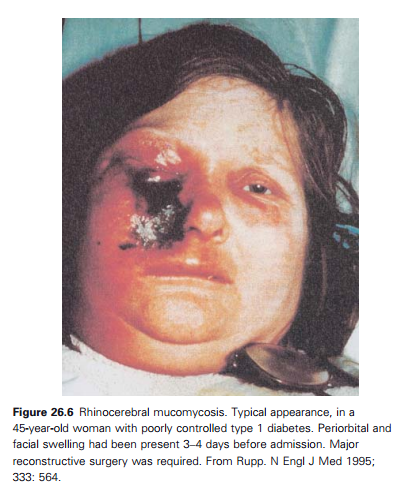
Rhinocerebral mucormycosis is a rare infection caused by fungi of the Rhizopus or Mucor species, which grow best in acid media; ketoacidosis is a predisposing factor. About 50% of cases are in diabetic patients. The fungi have a predilection to invade blood vessels. Onset may be with nasal stuffiness, epistaxis and facial and ocular pain. A characteristic black necrotic eschar (scab) occurs on the nasal turbinates or palate (Figure 26.6 ). Complications include cavernous sinus thrombosis, cranial palsies, visual loss, frontal lobe abscesses and carotid artery or jugular vein thrombosis, which causes hemiparesis.
Surgery
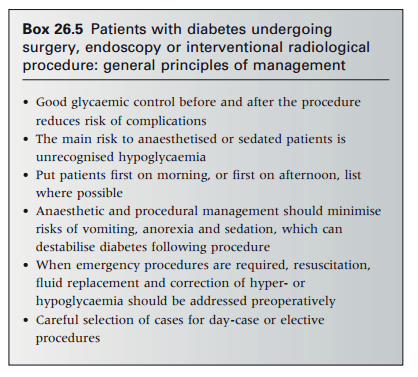
Surgical stress stimulates secretion of counter-regulatory hormones, such as cortisol and catecholamines, which decrease insulin sensitivity and inhibit insulin release. In insulin-deficient diabetic patients, this may cause dangerous hyperglycemia and ketosis. In general, metabolic disturbance caused by surgery is more pronounced in patients with type 1 diabetes. hypoglycemia is the other major risk of surgery. After preoperative assessment to confirm fitness for anaesthesia, optimisation of control and liaison with the surgical and anaesthetic teams, management plans depend on whether or not the patient is insulin treated and the nature and duration of surgery (Boxes 26.5, 26.6).