Dec 11, 2025
Articles, Blood Glucose Control, Diabetes, Diet and Nutrition, Type 2 Diabetes, Type 2 Diabetes
2,516 views
Clinicians often hear patients ask, “What should I eat?” Yet, the focus on low sugar alone can leave both patients and providers frustrated. The term “low sugar” lacks nuance, and without context, it doesn’t translate into an actionable plan for people living with diabetes. What clinicians really need are clear, …
Read More »
Dec 11, 2025
Articles, Devices, Diabetes, Patient Resources, Practice Management, Type 1 Diabetes, Type 1 Diabetes, Type 2 Diabetes, Type 2 Diabetes
1,490 views
In the era of smartphones, continuous glucose monitoring (CGM), remote portals, and health apps, digital tools offer powerful ways to support people living with diabetes. However, too much technology can overwhelm patients, leading to digital health fatigue in diabetes—a state where users disengage from tools that were meant to help …
Read More »
Dec 11, 2025
Articles, Diabetes, Geriatric Medicine, Physical Activity, Type 2 Diabetes, Type 2 Diabetes
1,514 views
In clinical practice, caring for a diabetes in aging population goes far beyond optimizing hemoglobin A1C. While glycemic control remains central, older adults with diabetes often face unique challenges such as sarcopenia, increased risk of falls, and progressive loss of functional independence. How can clinicians proactively identify these risks and …
Read More »
Dec 11, 2025
Articles, Blood Glucose Control, Diabetes, Obesity, Type 2 Diabetes, Type 2 Diabetes
1,333 views
In clinical practice, the link between sleep apnea diabetes screening and improved patient outcomes is becoming increasingly clear. Obstructive sleep apnea (OSA) is both a contributor to and a consequence of poor glycemic control, yet it remains under‑recognized in diabetes management. If clinicians fail to screen for sleep apnea in …
Read More »
Dec 11, 2025
Articles, Diabetes, Diet and Nutrition, Physical Activity, Prediabetes, Prediabetics, Prevention, Type 2 Diabetes, Type 2 Diabetes
1,163 views
Prediabetes affects a striking proportion of adults worldwide, creating a crucial window for intervention before type 2 diabetes develops. While medications like metformin are frequently considered for high-risk individuals, evidence from large clinical trials shows that lifestyle-based strategies — especially the National Diabetes Prevention Program — can dramatically reduce the …
Read More »
Dec 11, 2025
Articles, Blood Glucose Control, Diabetes, Exercise, Physical Activity, Therapies, Type 2 Diabetes, Type 2 Diabetes
1,544 views
Exercise is a cornerstone of type 2 diabetes care, yet clinicians often struggle with translating broad guidelines into practical, individualized “exercise prescriptions.” The focus keyword in this article, exercise prescription for type 2 diabetes, reflects a high‑intent search term that clinicians, diabetes educators, and patients frequently use when seeking actionable …
Read More »
Dec 11, 2025
Articles, Diabetes, Gastroenterology, Geriatric Medicine, Neurology, Oncology, Prevention, Type 2 Diabetes, Type 2 Diabetes
1,532 views
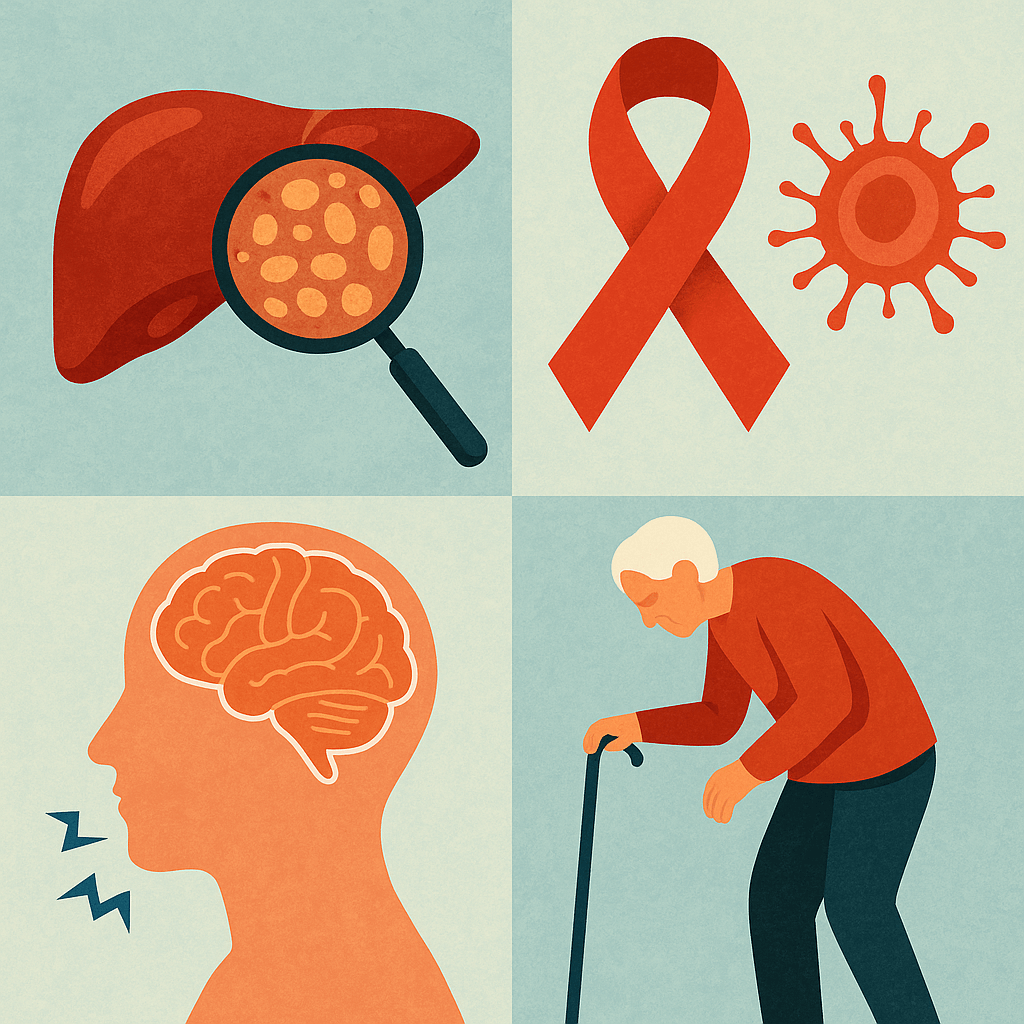
Early in training, many clinicians learn the classic “eye–kidney–foot” framework for recognizing and managing complications of diabetes. However, as science advances, the range of recognized consequences of diabetes—and opportunities for earlier intervention—continues to broaden. Today, the concept of diabetes complications screening must evolve to include conditions such as metabolic dysfunction–associated …
Read More »
Dec 11, 2025
Articles, Cardiology, Diabetes, Therapies, Type 2 Diabetes, Type 2 Diabetes
2,618 views
Clinicians and care teams are increasingly focused on GLP‑1 receptor agonists, but SGLT2 inhibitors and metformin in diabetes management remain foundational in achieving comprehensive, evidence‑based outcomes. While GLP‑1 therapies generate headlines for weight loss and glucose control, 2025 guidelines still strongly emphasize the cardioprotective and renoprotective benefits of SGLT2 inhibitors …
Read More »
Dec 5, 2025
Articles, Cardiology, Diabetes, Mental Health, Nephrology, Physician oriented, Type 2 Diabetes, Type 2 Diabetes
6,585 views
Living with type 2 diabetes often means managing more than just blood glucose. For many patients, conditions like cardiovascular disease, chronic kidney disease, or depression take center stage in their care plan. When diabetes isn’t the main problem, how do you keep glucose control on track without compromising treatment for …
Read More »
Dec 4, 2025
Articles, Blood Glucose Control, Blood Glucose Control, Devices, Diabetes, Type 1 Diabetes, Type 1 Diabetes, Type 2 Diabetes, Type 2 Diabetes
1,769 views
For decades, clinicians have relied on A1C as the primary benchmark for diabetes control. Yet many patients and providers now wonder: does a single quarterly number truly reflect daily glucose fluctuations and risks? As continuous glucose monitoring (CGM) becomes more accessible, the metric known as Time in Range (TIR) has …
Read More »
 Diabetes In Control. A free weekly diabetes newsletter for Medical Professionals. News and information for Medical Professionals.