Dec 1, 2018
Articles, Exercise, Featured Writers, Physical Activity
5,006 views
In mid-November 2018, the U.S. Department of Health and Human Services finally released new physical activity guidelines (as a 2nd edition) to update their previous set from a decade before. Various activity guidelines for adults with diabetes have been updated several times in the interim, including a 2010 position statement on exercising with type 2 diabetes published jointly by the American College of Sports Medicine and the American Diabetes Association; a 2016 ADA position statement on exercise and physical activity for all types of diabetes; and a consensus statement on being active with type 1 diabetes published in The Lancet in 2017.
Read More »
Nov 17, 2018
Articles, Exercise, Obesity, Pediatrics, Physical Activity
3,830 views
Small but frequent activity helps improve insulin concentrations and sensitivity in children with excess weight and obesity.
Read More »
Nov 3, 2018
Exercise, Featured Writers, Physical Activity
5,294 views
By Sheri R. Colberg, PhD, FACSM As discussed in an earlier column this year (June 2018), many insulin users have chosen to go “low-carb” to better manage diabetes, which may or may not impact how well they perform in athletic events. How do many athletes with diabetes who swear by …
Read More »
Sep 29, 2018
Articles, Blood Glucose Control, Diet & Nutrition, Exercise
3,612 views
New study shows that consuming breakfast prior to exercise lowers insulin levels at subsequent meals.
Read More »
Aug 11, 2018
Exercise, Physical Activity
6,552 views
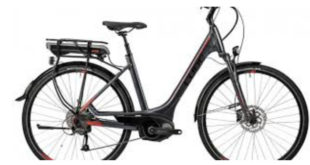
Recently I purchased a new eBike, and most people who I talk to have no idea what an eBike is. This new type of bike is going to be the next biggest craze. Using this eBike allows me to go faster and ride longer.
Read More »
Aug 4, 2018
Exercise, Featured Writers, Physical Activity
31,961 views
By Sheri R. Colberg, PhD, FACSMJ
It’s possible to gain weight from treating too many bouts of hypoglycemia. I addressed this topic over a decade ago, but it remains relevant and worth revisiting, along with addressing some new insights on weight gain in general with insulin use.
Read More »
Jul 28, 2018
Articles, Blood Glucose Control, Exercise
4,069 views
Addition of glucagon prevents exercise-induced hypoglycemia.
Read More »
Jun 2, 2018
Diet & Nutrition, Exercise, Physical Activity
14,226 views
by Sheri R. Colberg, PhD, FACSM
There has been a lot of interest recently in going “low-carb” to better manage diabetes, particularly type 1. At present, a large clinical study is being undertaken in Scandinavia to examine the effects of very low-carb eating on blood glucose levels in adults with type 1 diabetes. For years, a very low-carb diet championed by Dr. Bernstein has been the main one followed by some with diabetes, until the last decade when fad weight loss plans like the LCHF (low-carb, high-fat, or Keto) and Paleo Diets have been become mainstream not just for losing weight, but also for their purported ability to boost to athletic performance and improve blood glucose management. All these eating plans are very low in carbohydrates, but differ in the types of non-carb macronutrients or foods they recommend.
Read More »
Apr 7, 2018
Articles, Exercise, Featured Writers, Physical Activity
5,386 views
By Sheri R. Colberg, PhD
You may have started the new year out with the best of intentions to increase your fitness and better manage your diabetes by exercising regularly. If you have diabetes or are at risk for developing the disease, deciding to commit to fitness could be a real lifesaver. That’s why it’s more important than ever that you make sure this decision sticks. Here are some motivational tips for getting started being more active.
Read More »
Feb 3, 2018
Articles, Exercise, Physical Activity
3,528 views
Letting your patients know how long they may survive and how to extend their survival time can get your patients to increase their physical activity or get them to start.
Read More »
 Diabetes In Control. A free weekly diabetes newsletter for Medical Professionals. News and information for Medical Professionals.