Sep 15, 2014
Clinical Presentations, DPP-4 Therapy Center, Metformin Therapy Center, SGLT-2 Therapy Center
2,961 views
As the diabetes epidemic continues to grow, practitioners are increasingly searching for medication solutions that can help patients to better manage their diabetes. This month, we have a recent slides series from the ADA showing the positive effects of adding-on SGLT-2 inhibitors to the medication regimen of patients on DPP-4’s …
Read More »
Sep 9, 2014
Clinical Gems, Devices, DPP-4 Therapy Center, Physical Activity, Surgery, Type 2 Diabetes
9,462 views
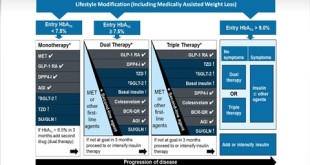
Rudy Bilous, MD, FRCP Richard Donnelly, MD, PHD, FRCP, FRACP Lifestyle modification The starting points and mainstays of treatment for type 2 diabetes are diet and other modifications of lifestyle, such as increasing exercise and stopping smoking (Figure 11.1). The major aims are to reduce the weight of obese patients and …
Read More »
Jul 11, 2014
Articles, DPP-4 Therapy Center
3,692 views
There is some uncertainty in the literature about whether DPP-4 inhibitors are harmful to diabetic patients with heart failure….
Read More »
Jun 26, 2014
Articles, DPP-4 Therapy Center, Meglitinides, Sulfonylurea
3,530 views
A large database analysis has found that two oral diabetes drug classes, thiazolidinediones (TZDs) and sulfonylureas, both increase the risk for fractures when compared with metformin….
Read More »
Apr 7, 2014
Clinical Gems, DPP-4 Therapy Center, Meglitinides
5,129 views
Treatment of type 2 diabetes (T2DM) Education of patients is very important The importance of diet and exercise should be emphasized All patients should be reviewed by a dietitian for appropriate advice Measures to induce weight loss (most of these patients are overweight) should be encouraged/implemented In the initial phases …
Read More »
Apr 4, 2014
Articles, DPP-4 Therapy Center, GLP-1 Agonist Therapy Center
5,419 views
Possibility of non-subcutaneous administration could increase patient compliance…. GLP-1 agonists are effective therapeutic options for treating diabetes. While their effectiveness has been established, compliance with these medications may be limited in some patients due to their subcutaneous route of administration and gastrointestinal adverse effects. In a recent prospective, double-blind, placebo-controlled …
Read More »
Mar 27, 2014
Articles, DPP-4 Therapy Center, SGLT-2 Therapy Center, Sulfonylurea, Surgery
6,011 views
Researchers track data on antidiabetic prescriptions dispensed from retail pharmacies in the US and note some interesting prescribing patterns. What is the most antidiabetic drug dispensed?… See more SGLT-2 Resources Despite the ability of nonpharmacological methods such as lifestyle interventions and bariatric surgery to improve type 2 diabetes outcomes, most …
Read More »
Mar 27, 2014
Articles, DPP-4 Therapy Center, Metformin Therapy Center, Sulfonylurea, Type 2 Diabetes
28,649 views
The results of adding vildagliptin to metformin….
Read More »
Mar 20, 2014
Articles, DPP-4 Therapy Center, GLP-1 Agonist Therapy Center
4,774 views
Although glucagon-like peptide-1 (GLP-1) is highly biologically active following intravenous or subcutaneous injection, a non-injectable alternative for activating GLP-1 receptor signaling would clearly be desirable. Studies by Gutniak, Ahren and colleagues in Sweden have shown that GLP-1 formulated in buccal tablets is absorbed into the circulation and lowers blood glucose …
Read More »
Mar 6, 2014
Articles, DPP-4 Therapy Center, Oncology
2,418 views
U.S. and European regulators have found no compelling evidence of a link between the drug class which includes GLP-1 analogs and DPP-4 inhibitors, and pancreas problems or pancreatic cancer….
Read More »
 Diabetes In Control. A free weekly diabetes newsletter for Medical Professionals. News and information for Medical Professionals.