 Diabetes In Control. A free weekly diabetes newsletter for Medical Professionals. News and information for Medical Professionals.
A recently published meta-analysis evaluates whether vitamin D supplementation could prevent type 2 in patients with prediabetes.
Read More »Could Vitamin D Have a Role in T2DM?

A recently published meta-analysis evaluates whether vitamin D supplementation could prevent type 2 in patients with prediabetes.
Read More »
by Sheri Colberg, PhD
How well you perform (physically) when you exercise is impacted in a number of ways by the intake of macronutrients—that is, carbohydrate, fat, and protein—whether you have diabetes or not. Performance is directly affected by your calorie intake both during an activity and when you are recovering from it.

A clinical pilot study reveals a new way to improve glycemic control by replacing daily breakfast and afternoon snacks with a diabetes-specific nutritional shake.
Read More »
Does the fat content of dairy products play a role in the development of metabolic syndrome (MetS)?
Read More »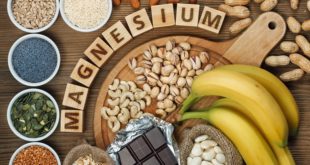
Adequate amounts of magnesium in the diet could reduce the risk of type 2 and cerebral vascular incidents.
Read More »
Is a very low carbohydrate diet (VLCD) superior to an essential carbohydrate/low-fat diet (LFD) for improving body mass and insulin sensitivity?
Read More »
By Sheri Colberg, PhD
Protein is never a key exercise fuel, but it’s critical for other reasons. During most exercise, protein contributes less than 5 percent of the total energy, although it may rise to 10 to 15 percent during a prolonged event like a marathon or Ironman triathlon. Taking in enough dietary protein is important because dietary protein allows your muscles to be repaired after exercise and promotes the synthesis of hormones, enzymes, and other body tissues formed from amino acids, the building blocks of protein.
As patients’ vitamin D levels rose, the pain and other symptoms of painful diabetic neuropathy decreased.
Read More »
Starting the day with a bowl of whole-grain cereal or a piece of whole-grain toast can reduce the long-term risk of developing T2DM.
Read More »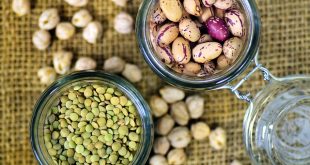
Could a primarily plant-based high protein diet be the secret to longevity?
Read More »