 Diabetes In Control. A free weekly diabetes newsletter for Medical Professionals. News and information for Medical Professionals.
Lipotoxicity is a condition that occurs when fat builds up in the liver and other organs. This can lead to a number of health problems, including insulin resistance, inflammation, and oxidative stress. In people with type 2 diabetes, lipotoxicity is a major risk factor for cardiovascular disease. This is because …
Read More »Newly Discovered DNA Regions Linked to Type 2 Diabetes
Scientists have identified seven new DNA regions linked to type 2 diabetes, according to a study published in the journal Nature Genetics. The study, which was conducted by researchers at the University of Exeter in the United Kingdom, involved over 400,000 people from around the world. The new DNA regions …
Read More »FDA Approves Weekly Exenatide Pen for Type 2 Diabetes Patients
The U.S. Food and Drug Administration (FDA) has approved once-weekly Bydureon (exenatide injection) extended-release suspension for adults with type 2 diabetes. The approval was based on data from a clinical trial that showed that Bydureon was effective in lowering blood sugar levels and was well-tolerated by patients. Bydureon is a …
Read More »Type 2 Diabetes Association with Obstructive Sleep Apnea and Glycemic Control
Obstructive sleep apnea (OSA) is a sleep disorder characterized by repeated episodes of complete or partial blockage of the airway during sleep. OSA is a common condition, affecting an estimated 24% of adults in the United States. Type 2 diabetes is a chronic condition characterized by high blood sugar levels. …
Read More »The Role of Gene Therapy in Type 2 Diabetes Management

Type 2 diabetes is a chronic metabolic disorder characterized by high blood sugar levels due to insulin resistance and relative insulin deficiency. Despite various treatment options, some patients may experience poor glycemic control and an increased risk of complications. Gene therapy is a promising new approach for the treatment of …
Read More »Diabetic Ketoacidosis in Patients with Type 2 Diabetes

Diabetic ketoacidosis (DKA) is a serious and potentially life-threatening complication that can occur in patients with type 2 diabetes. It is characterized by the production of ketones, which are formed as a result of the breakdown of fatty acids in the liver when there is insufficient insulin available to metabolize …
Read More »Best Practices for Managing Diabetic Neuropathy in Patients with Type 2 Diabetes

Diabetic neuropathy is a common complication of type 2 diabetes that can cause pain, numbness, and tingling in the extremities, particularly the feet and legs. Left untreated, diabetic neuropathy can lead to serious complications such as foot ulcers and amputations. However, with proper management, the symptoms of diabetic neuropathy can …
Read More »The Impact of Hypertension on Type 2 Diabetes Outcomes

Hypertension, or high blood pressure, is a common comorbidity in patients with type 2 diabetes. The co-occurrence of these conditions can lead to an increased risk of cardiovascular disease, kidney disease, and other diabetes-related complications. The exact relationship between hypertension and type 2 diabetes is complex and not fully understood. …
Read More »The Role of Incretin Therapies in Type 2 Diabetes Management
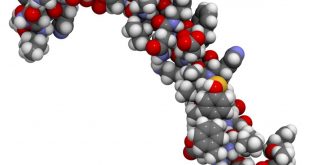
Incretin therapies are a class of drugs used in the management of type 2 diabetes. They work by mimicking the effects of incretin hormones, which are naturally occurring hormones in the body that stimulate insulin secretion and reduce glucagon secretion in response to food intake. This leads to better glycemic …
Read More »Continuous Glucose Monitoring in Managing Type 2 Diabetes
Continuous glucose monitoring (CGM) is an emerging technology that has transformed the way we manage type 2 diabetes. CGM allows for real-time monitoring of glucose levels and provides valuable insights into the daily patterns of glucose fluctuations, which can be used to guide treatment decisions. In type 2 diabetes management, …
Read More »