Feb 27, 2026
Articles, Therapies, Type 2 Diabetes, Type 2 Diabetes
3,780 views
As GLP-1 receptor agonists dominate headlines and prescribing trends, many clinicians wonder whether older therapies are losing relevance. However, SGLT2 inhibitors remain foundational in type 2 diabetes care. More importantly, evidence now supports the use of SGLT2 inhibitors and GLP-1 combination therapy in patients at high cardiovascular and renal risk. …
Read More »
Feb 26, 2026
Articles, Blood Glucose Control, Blood Glucose Control, Diabetes, Insulin Therapy Center, Type 2 Diabetes, Type 2 Diabetes
2,068 views
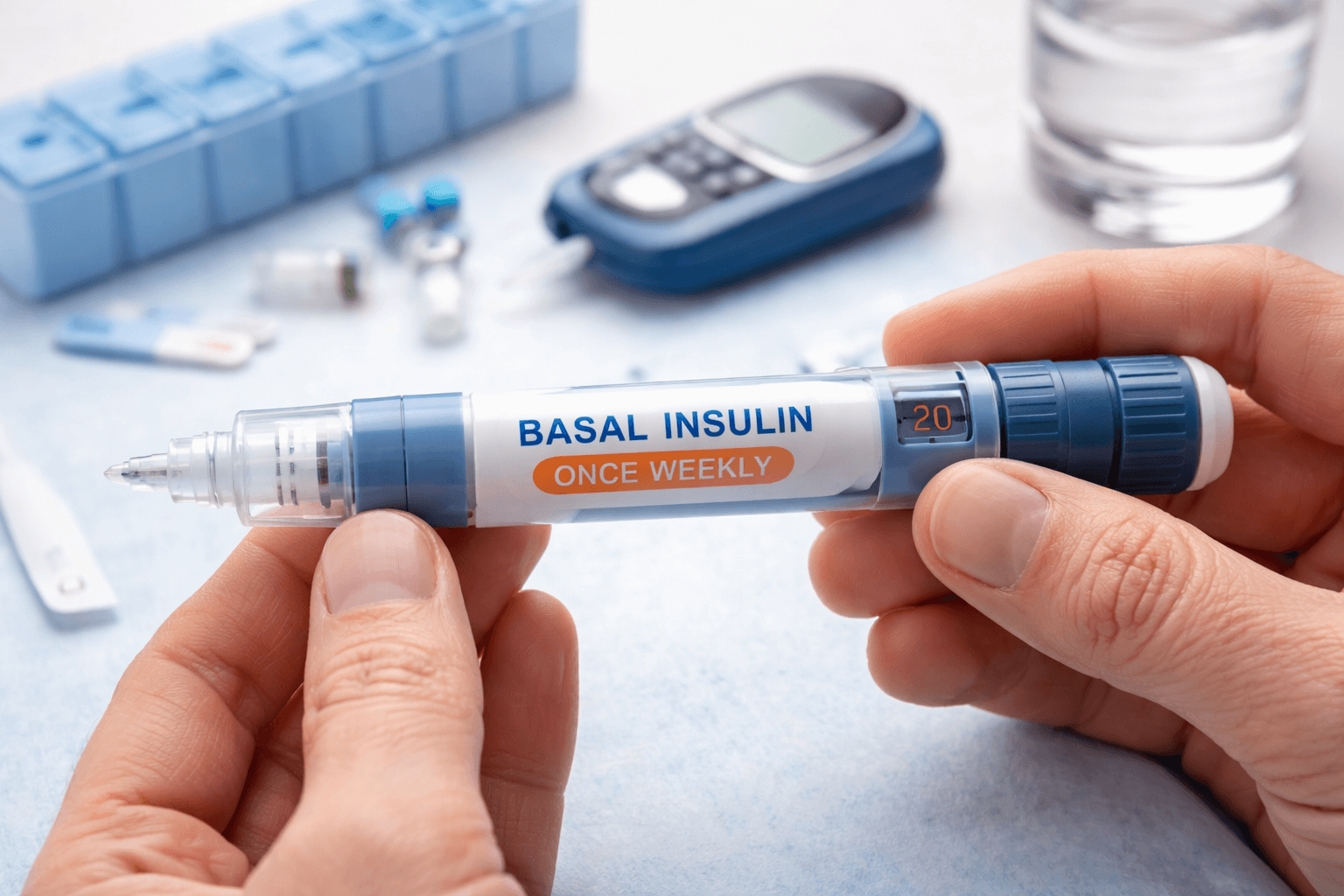
The arrival of a once-weekly basal insulin option marks one of the most meaningful advances in insulin therapy in decades. For years, daily basal injections have been the standard of care for people with type 1 and type 2 diabetes. However, many patients struggle with adherence, missed doses, and therapeutic …
Read More »
Feb 25, 2026
Articles, GLP- 1 Agonist Therapy Center, GLP-1 Agonist Therapy Center, Men's Health, Obesity, Obesity, Type 2 Diabetes, Type 2 Diabetes
1,854 views
The link between metabolism and reproduction is gaining attention, especially as questions about GLP-1 therapy and male fertility begin to surface in clinical practice. For years, male fertility evaluations focused mainly on hormones and anatomy. However, what if the root problem starts with metabolic health? Obesity and insulin resistance are …
Read More »
Feb 24, 2026
Articles, GLP- 1 Agonist Therapy Center, Neuropathy & Pain, Obesity, Obesity, Type 2 Diabetes, Type 2 Diabetes
3,614 views
Patients using GLP-1 receptor agonists are reporting something unexpected: less joint and musculoskeletal pain. As interest grows in how GLP-1 therapies may affect chronic pain, clinicians are asking an important question. Are these improvements simply the result of weight loss, or do GLP-1 medications have direct anti-inflammatory and neuromodulatory effects? …
Read More »
Feb 24, 2026
Articles, Diabetes, GLP- 1 Agonist Therapy Center, Obesity, Obesity, Type 2 Diabetes, Type 2 Diabetes
2,950 views
The conversation around GLP-1 therapies has shifted quickly. While most clinicians focus on weight loss and glucose lowering, new data on GLP-1 microbiome effects suggest something deeper may be happening in the gut. Could these medications reshape the intestinal ecosystem in ways that support long-term metabolic health? Increasingly, researchers believe …
Read More »
Feb 23, 2026
Articles, Diabetes, Oncology, Safety, Type 2 Diabetes, Type 2 Diabetes
5,285 views
Concerns about GLP-1 pancreatic cancer risk have circulated for more than a decade. When glucagon-like peptide-1 receptor agonists first entered the market, early post-marketing reports and small observational studies raised alarms about pancreatitis and possible malignancy. As a result, clinicians and patients questioned the long-term safety of agents such as …
Read More »
Feb 23, 2026
Articles, Cardiology, GLP-1 Agonist Therapy Center, Type 2 Diabetes, Type 2 Diabetes
2,783 views
The potential link between GLP-1 therapies and atrial fibrillation is drawing increasing clinical interest as cardiometabolic care continues to evolve. Patients with type 2 diabetes face a significantly higher risk of atrial fibrillation, yet GLP-1 receptor agonists are rarely discussed in rhythm management conversations. Could medications such as semaglutide (Ozempic), …
Read More »
Feb 20, 2026
Articles, Blood Glucose Control, Blood Glucose Control, Devices, Diabetes, Type 1 Diabetes, Type 1 Diabetes, Type 2 Diabetes, Type 2 Diabetes
1,609 views
Continuous glucose monitoring was once reserved for endocrinology clinics. Today, integrating CGM into primary care is essential as guidelines recommend earlier and broader use in both type 1 and type 2 diabetes. Yet many clinicians still feel unsure about how to interpret reports or fit CGM into a busy visit. …
Read More »
Feb 19, 2026
Articles, Diabetes, Therapies, Type 2 Diabetes, Type 2 Diabetes
4,455 views
Oral GLP-1 therapy is quickly reshaping how we treat type 2 diabetes, especially for patients who hesitate at the thought of injections. For years, glucagon-like peptide-1 receptor agonists were only available as injectables such as semaglutide and dulaglutide. However, the introduction of semaglutide tablets and the development of higher-dose oral …
Read More »
Feb 18, 2026
Articles, Blood Glucose Control, Blood Glucose Control, Diabetes, Type 2 Diabetes, Type 2 Diabetes
2,563 views
GLP-1 receptor agonists have transformed type 2 diabetes care, improving glycemic control, supporting weight loss, and reducing cardiovascular risk. However, disparities in GLP-1 use and access are becoming harder to ignore. Why do some patients gain access quickly while others face barriers at every step? Data suggest that prescribing patterns …
Read More »
 Diabetes In Control. A free weekly diabetes newsletter for Medical Professionals. News and information for Medical Professionals.