 Diabetes In Control. A free weekly diabetes newsletter for Medical Professionals. News and information for Medical Professionals.
This is the fourth drug to treat diabetes that also can reduce the risk of heart disease.
Read More »New GLP-1 Drug Shows Cardiovascular Benefit


This is the fourth drug to treat diabetes that also can reduce the risk of heart disease.
Read More »
A secondary analysis of the TECOS trial affirms sitagliptin does not increase heart failure risk for patients with type 2 diabetes.
Read More »
According to a new study, one more disease is associated with diabetes: twin study suggests genetic link between obesity, psoriasis and diabetes.
Read More »
Study shows effect low levels of the hormone have on blood glucose.
Read More »
Insulin may not be the culprit in poorer outcomes, according to TUXEDO sub-study.
Read More »
Mrs. Wilson is an overweight 71-year old African American patient who has come to your clinic today for a new patient visit. She recently moved to the area to live with her daughter and is concerned about her diabetes care plan. She was diagnosed with type 2 diabetes 12 years ago at a wellness check through routine screening. In hindsight, she wonders if maybe she “went undiagnosed for a while” because she “didn’t get to the clinic very often and was having some problems with frequent urination at night” before she was screened. She currently takes metformin, glyburide, captopril, pravastatin, aspirin and has recently titrated to.6 U/kg/day insulin NPH as a nightly basal dose. Her current A1C goal is <7.5% and she has been working hard to get to that level. However, for the first time her life, she is finding herself to be nauseated and irritable in the morning, but always feels better after a little breakfast. She states she feels “pretty good for her age” although she occasionally has “a little chest tightness when walking more than 4 or 5 blocks.” Last time she remembered to check it a few days ago, her postprandial glucose was a little high at 214 mg/dL. Her office A1C is 8.6%. Based on what you know about the patient, what is the most likely cause of her morning distress? Select one answer: [A] Hyperglycemia [B] Hypoglycemia [C] Anxiety [D] Cognitive Have you got it right? Follow the link to find out!
Read More »
The YMCA's Diabetes Prevention Program is based on the landmark Diabetes Prevention Program led by the National Institutes of Health (NIH) and supported by the Centers for Disease Control (CDC). Will you recommend this program for your patients with prediabetes? Follow the link to share your opinion!
Read More »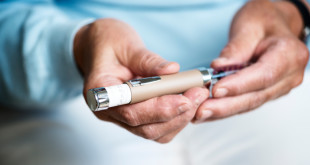
For patients in the U.S., the price of this lifesaving treatment has risen dramatically.
Read More »
Researchers saw long-term reduction in end-stage renal disease, without evidence of increased risk for cardiovascular events or death.
Read More »
According to a new study, people with diabetes have a slightly shorter life expectancy than people without diabetes, and many of those years will be marred by disability.
Read More »