Jul 24, 2026
Articles, Diabetes, MODY/LA DA, News, SGLT-2 Therapy Center, Type 2 Diabetes, Type 2 Diabetes
823 views
When a person develops diabetes at a young age, is not overweight, and has several family members with the condition, is it really type 2 diabetes? In many cases, the answer may be no. A growing body of evidence suggests that thousands of people worldwide are living with HNF1A-MODY, a …
Read More »
Jul 23, 2026
Articles, Blood Glucose Control, Blood Glucose Control, Diabetes, Pediatrics, Prevention, Type 1 Diabetes, Type 1 Diabetes
2,025 views
The transition from pediatric to adult diabetes care is one of the most challenging periods in the lives of young people with diabetes. While many adolescents successfully manage their condition with the support of pediatric diabetes teams, moving into adult healthcare often coincides with worsening blood glucose control, missed appointments, …
Read More »
Jul 23, 2026
Articles, Diabetes, Nephrology, Type 2 Diabetes, Type 2 Diabetes
1,250 views
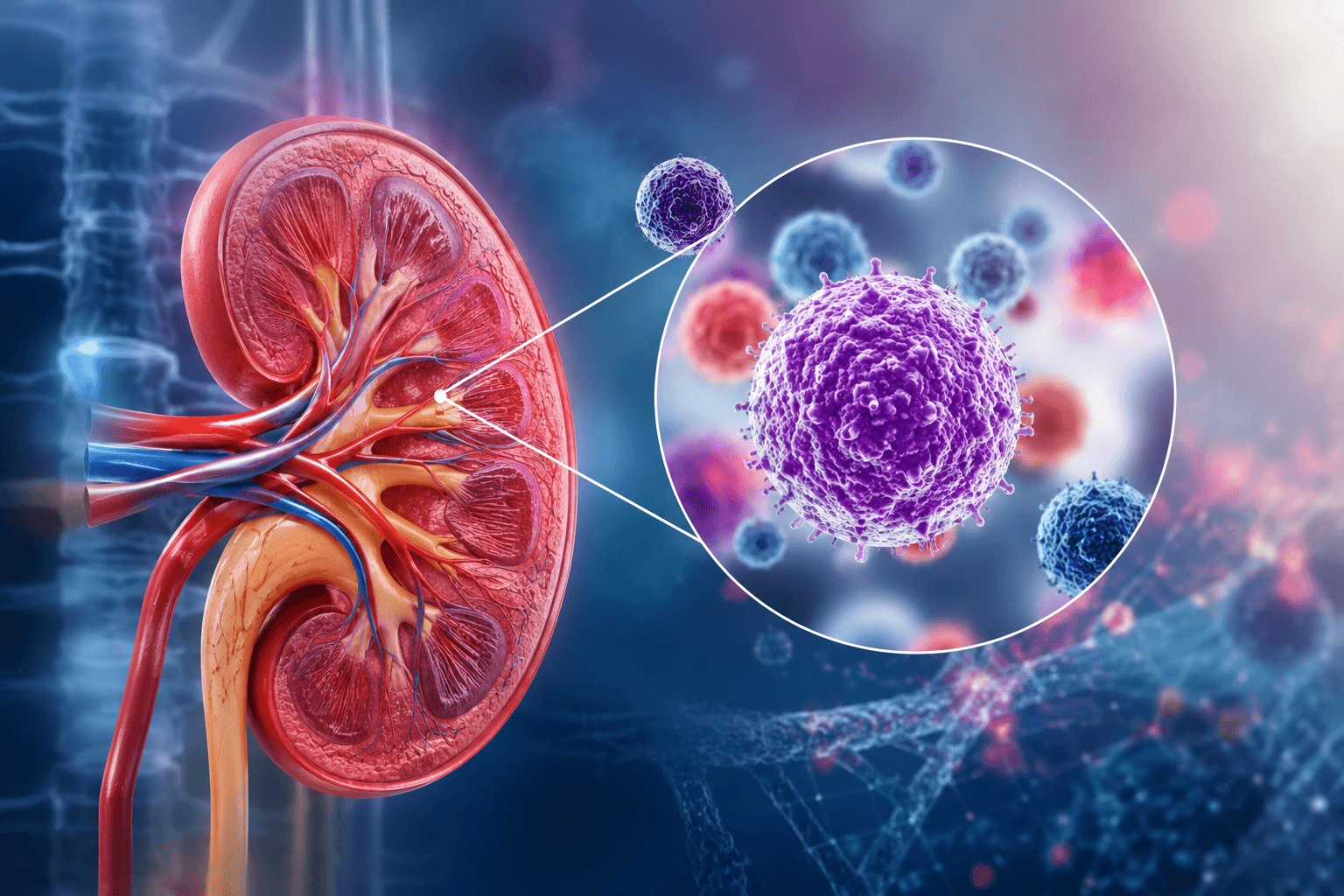
For years, diabetic kidney disease (DKD) has been viewed as a single condition that progresses in a fairly predictable way. However, new research suggests that this assumption may overlook important biological differences between patients. Scientists have now identified a previously hidden subtype of diabetic kidney disease marked by increased B-cell …
Read More »
Jul 22, 2026
Articles, Blood Glucose Control, Blood Glucose Control, Diabetes, Gastroenterology, News, Type 2 Diabetes, Type 2 Diabetes
1,029 views
People with diabetes often focus on blood sugar, A1C, and cholesterol. However, very high triglyceride levels deserve just as much attention because they can trigger acute pancreatitis, a painful and potentially life-threatening condition. The connection between diabetes, high triglycerides, and pancreatitis is especially important because severe hypertriglyceridemia can develop silently …
Read More »
Jul 22, 2026
Articles, Cardiology, Diabetes, News, Therapies, Type 2 Diabetes, Type 2 Diabetes
773 views
For many people with diabetes, lowering LDL cholesterol is just as important as controlling blood sugar. However, not everyone reaches their cholesterol goals with statins alone, and injectable PCSK9 inhibitors can be inconvenient or intimidating. Now, a new option has arrived. The FDA has approved the first oral PCSK9 inhibitor, …
Read More »
Jul 21, 2026
Articles, Blood Glucose Control, Blood Glucose Control, Cardiology, Nephrology, SGLT-2 Therapy Center, Type 2 Diabetes, Type 2 Diabetes
2,995 views
For many people living with type 2 diabetes, the biggest challenge is not finding an effective medication. It is being able to afford it. That reality may begin to change now that the U.S. Food and Drug Administration (FDA) has approved the first generic versions of Farxiga (dapagliflozin), potentially making …
Read More »
Jul 21, 2026
Articles, Blood Glucose Control, Blood Glucose Control, Type 1 Diabetes, Type 1 Diabetes
1,190 views
Receiving a diagnosis of type 1 diabetes can feel overwhelming. Yet for many adults, the weeks or months that follow bring an unexpected twist. Blood glucose levels often become easier to control, insulin needs decrease, and some people wonder if their diabetes is actually improving. This temporary period is known …
Read More »
Jul 20, 2026
Articles, Blood Glucose Control, Blood Glucose Control, Diabetes, Type 2 Diabetes, Type 2 Diabetes
1,427 views
Night-shift work keeps hospitals, factories, transportation systems, and emergency services running around the clock. However, while society benefits from overnight workers, their metabolic health often pays the price. Recent continuous glucose monitoring (CGM) studies have shown that shift work is strongly associated with greater glycemic variability in people with diabetes, …
Read More »
Jul 20, 2026
Articles, Therapies, Type 1 Diabetes, Type 1 Diabetes
1,924 views
For more than a century, insulin therapy has remained the cornerstone of treatment for type 1 diabetes. While continuous glucose monitors, insulin pumps, and automated insulin delivery systems have dramatically improved diabetes management, they still do not replace the body’s natural ability to regulate blood sugar. As a result, researchers …
Read More »
Jul 17, 2026
Articles, Blood Glucose Control, Blood Glucose Control, Diabetes, News, Therapies, Type 1 Diabetes, Type 1 Diabetes, Type 2 Diabetes, Type 2 Diabetes
3,545 views
Finding the right diabetes medication often involves trial and error. One patient may respond well to a GLP-1 receptor agonist, while another sees little benefit from the same treatment. As a result, clinicians frequently adjust medications before finding the most effective option. What if doctors could test a patient’s response …
Read More »
 Diabetes In Control. A free weekly diabetes newsletter for Medical Professionals. News and information for Medical Professionals.