 Diabetes In Control. A free weekly diabetes newsletter for Medical Professionals. News and information for Medical Professionals.
SF: How do you minimize errors? KT: Here is some more background to better understand the basis of our program. Neither the VA nor any other health care system can or will ever be able to “eliminate all errors.” Patient safety programs focused exclusively on eliminating errors will fail….
Read More »Diabetes In Control

NCPS: Taking Aim at Medication Errors, Question 1
SF: What is the VA’s NCPS doing to change the medical safety culture so medical professionals will report all errors not just the ones that cause harm? KT: We developed a confidential reporting system that allows VA caregivers to report not only adverse events, but close calls. The NCPS staff …
Read More »Letter from the Editor #547: FDA Fallout and Medicare/Medicaid Reimbursement Rates
The fallout from recent FDA decisions concerning new medications for diabetes and obesity continues to be a topic of discussion among medical professionals. Last week I was at the annual meeting of the American Society of Consultant Pharmacists in Orlando and noticed that a lot of attention on diabetes care …
Read More »Glycemic Disorders Part 2 of 2

Blood glucose levels can be evaluated using one of several measures: random plasma glucose (RPG), fasting plasma glucose (FPG), oral glucose tolerance test (OGTT), postprandial plasma glucose (PPG), glycated hemoglobin (also known as hemoglobin A1c, HbA1c, or A1C), and fructosamine/glycated serum protein….
Read More »Diabetes Microvascular Complications, Part 2 of 2

The exact mechanism of extracellular matrix accumulation and proteinuria is multifactorial and incompletely understood. Hyperglycemia directly leads to….
Read More »Diabetes Microvascular Complications, Part 1 of 2

Diabetes mellitus can lead to many acute and chronic complications. The chronic complications are mainly the result of longstanding damage to blood vessels….
Read More »Understanding Acute Coronary Syndrome
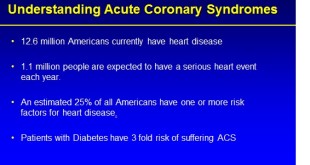
Over twelve and half million Americans currently have heart disease and 1.1 million are expected to have a serious heart event each year….
Read More »Insulin Resistance, Part 3 of 3: Metabolic Markers
Adiponectin is an adipocyte-derived protein that plays an important role in glucose and lipid metabolism….
Read More »Insulin Resistance, Part 2 of 3: Inflammation Markers
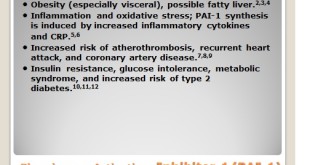
Plasminogen is an acute phase protein and precursor to plasmin, which digests fibrin, the essential portion of a blood clot….
Read More »Insulin Resistance, Part 1 of 3
The prevalence of Type 2 diabetes mellitus (DM) has increased dramatically over the past several decades, suggesting significant contributions by changes in diet and lifestyle over time….
Read More »