 Diabetes In Control. A free weekly diabetes newsletter for Medical Professionals. News and information for Medical Professionals.
Last week’s Disaster Averted: Beware of Patient Gossip caught the eye of quite a few of our readers as innovations in practice methods can lead to new problems, and this week’s Disaster Averted: Checking the Electronic Records zooms in again on errors that can occur when shifting to new technology in the office. Our …
Read More »Diabetes In Control

Joslin’s Diabetes Deskbook, 2nd Ed, Excerpt #4: Do Your Patients Self-Monitor Their Blood Glucose Enough?
By Richard S. Beaser, M.D. Chapter 3: Monitoring Diabetes: The Importance of Self-Monitoring of Blood Glucose and Glycohemoglobin Measurements (Overview)
Read More »Managing Hospital Safety: Common Safety Concerns, Part 2 of 4
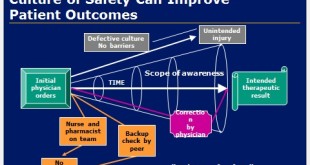
In this week’s Homerun Slides selection, we continue our series on hospital safety with topics including "Never" Events, Responsibility for Maintaining Hospital Safety, and some of the Major Safety Organizations which can provide valuable resources.
Read More »Letter from the Editor #622: Exercise, Sleep, and Eat Your Breakfast!
Have you ever noticed that when patients get older they become more scared of falling? Many times they will stop their physical activities because of this fear, which is not a good idea for our diabetes patients. Sheri R. Colberg, PhD addresses this issue in her new feature Fall Much? …
Read More »FDA pushes back decision on weight loss drug Qnexa to July 17.
FDA pushes back decision on weight loss drug Qnexa to July 17.
Read More »One Million More American Adults Slipped into a Sedentary Lifestyle in 2011
The number of inactive persons in the U.S. increased to 68.2 million in 2011 from 67.2 million in 2010, according to a new report from the Physical Activity Council. To combat this, Utah and other states have begun programs to increase activity among residents. The Utah Department of Health’s Physical …
Read More »Fasting Lowers Diabetes Risk
A new study tested whether routine periodic fasting is associated with diabetes and showed more evidence for modest benefits derived from intermittent fasting. “Previously we discovered that routine periodic fasting was associated with a lower prevalence of coronary artery disease (CAD). Other studies have shown that fasting increases longevity in …
Read More »Next Generation of U.S. Doctors Sees Gloomy Future
A majority of young doctors feel pessimistic about the future of the U.S. healthcare system, with the new healthcare law cited as the main reason. Nearly half of the 500 doctors surveyed think the Affordable Care Act, President Obama’s policy achievement, will have a negative effect on their practices, compared …
Read More »The Challenges for the Self-Management of Diabetes
People with diabetes invest a lot of time and effort managing their condition including not only monitoring the level of sugar in their blood, organizing their medication and following a restrictive diet, but also social challenges such as negotiating relatives’ input and gaining access to doctors when they need …
Read More »Eating Low Glycemic Index Foods at Breakfast Can Control Blood Sugar throughout the Day
Eating foods at breakfast that have a low glycemic index may help prevent a spike in blood sugar throughout the morning and after the next meal of the day….
Read More »