 Diabetes In Control. A free weekly diabetes newsletter for Medical Professionals. News and information for Medical Professionals.
Aspirin resistance – a concern among patients with type 2 diabetes who may be at high risk of heart disease – may be attenuated by aggressive glucose-lowering therapy….
Read More »Diabetes In Control

Foot Ulceration for Diabetes Patients Doubles Mortality Risk
Diabetic foot ulceration was associated with a nearly 2-fold increased risk for all-cause mortality above that of diabetes alone, according to a meta-analysis of 8 studies….
Read More »Sitting for Too Long Doubles Diabetes Risk
The more time people spend sitting, the greater their risk of diabetes, cardiovascular events, and death….
Read More »Latest Data Shows HRT Cuts CVD by 50 Percent
Hormone-replacement therapy (HRT) in postmenopausal women with a mean age of 50 significantly reduced the risk of the combined end point of mortality, MI, or heart failure….
Read More »Diabetic Macular Edema Responds Best to Ranibizumab
Aggressive treatment with ranibizumab during year 3 may be more effective for diabetic macular edema (DME) than less-intensive treatment, according to 3-year outcomes from an ongoing randomized published clinical trial….
Read More »Epilepsy Drug Shows Weight-Loss
Zonisamide worked for certain obese adults, but not without side effects….
Read More »Editor’s Note, DCMS #106: Timing Is Everything
Timing is everything and without a doubt this is true when it comes to eating, obesity and weight loss. This week’s Clinical Text from JOSLIN’S DIABETES DESKBOOK – A Guide for Primary Care Providers gives us some clues as to why and when your patients eat can affect their diabetes …
Read More »Joslin’s Diabetes Deskbook, Updated 2nd Ed., Excerpt #17: Timing of Eating, Obesity, Weight Loss
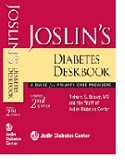
Amy P. Campbell, MS, RD, CDE, and Richard S. Beaser, M.D. The weeks excerpt answers the following questions: How important is timing of meals? How flexible can meal timing be? What is the traditional gauge to measure obesity? What are the forces that can affect the ability to achieve a …
Read More »Infections in Patients with Diabetes, Part 3 of 4

In this week’s set of Homerun Slides, with part 3 of our series on infections in patients with diabetes, we focus particularly on infections on the feet and legs including diabetic foot ulcers as well as osteomyelitis….
Read More »Kidney Stones in Relation to Obesity and Diabetes
A kidney stone is a solid mass developed from crystals that separate from the urine within the urinary tract. Kidney stones can contain various components. The most common type of stone contains calcium in combination with either oxalate or phosphate. A less common type of stone is caused by an …
Read More »