 Diabetes In Control. A free weekly diabetes newsletter for Medical Professionals. News and information for Medical Professionals.
A study by New Zealand’s Wellington Hospital indicates the high-fat modified Atkins diet helps diabetes patients lose 22 avg. pounds and improve their diabetes.
Read More »Diabetes In Control

Waist Circumference Can Exclude Insulin Resistance and Identify Those At Greates
A waist circumference of less than 39.4in.(100 cm) excludes individuals of both sexes from being at risk of being insulin resistant.
Read More »SYMLIN® (pramlintide acetate) Injection
Instruction Sheet Overview.
Read More »A1cNow INVIEW
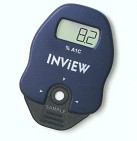
The first reusable instant disposable A1c monitor for your office. Get the Results in just 5 MINUTES! Now Available. Use it 10 or 20 times and then dispose of it. Uses a all-in-one sampling device which collects the blood and then goes right into the monitor. No large capital investment for …
Read More »New Drug Reduces Insulin Needs For Type 1 Diabetes
An antibody directed at CD3 can preserve beta-cell function for 18 months in patients with early stage type 1 diabetes.
Read More »Study Identifies Why Diabetes Drug Causes Edema
Researchers have learned why thiazolidinediones (TZDs), a major anti-diabetes drug, cause edema and also have found a new pathway critical to fluid metabolism.
Read More »Topical Honey Useful for Diabetic Foot Ulcers
Given honey’s potential for improved outcomes, cost savings, and decreasing antibiotic use and resistance, more randomized controlled trials are needed to determine its efficacy.
Read More »Sildenafil Citrate
(Revatio) for Early-Stage Pulmonary Arterial Hypertension. On June 3, the FDA approved sildenafil citrate 20-mg tablets (Revatio, made by Pfizer, Inc.) to improve exercise ability in patients with early-stage pulmonary arterial hypertension.
Read More »Canadian Study Demonstrates New Approach To Achieving Diabetes Control
Insight study reveals leading research on the benefits of using insulin earlier
Read More »Lipitor Reduces Heart Attacks and Strokes by 25% for Diabetes Patients
Patients with diabetes and coronary heart disease (CHD) on Lipitor who lowered their cholesterol to well below currently recommended levels experienced significantly fewer heart attacks and strokes than those who achieved recommended levels.
Read More »