Home / 2019 / January (page 12)

Monthly Archives: January 2019

Diabetes Advisor

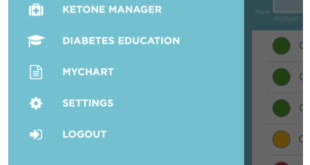
Children's Health Diabetes Advisor provides children and families with diabetes a mobile resource to complement the diabetes education programs at Children's Health System of Texas (CHST), providing a one stop source for an Education library and Ketone Manager.

Read More »

December 2018 Briefing – Diabetes & Endocrinology

Here are what the editors at HealthDay consider to be the most important developments in Diabetes & Endocrinology for December 2018. This roundup includes the latest research news from journal articles, as well as the FDA approvals and regulatory changes that are the most likely to affect clinical practice.Three Novel …

Read More »

Jan. 1, 2019

Many times we think the best technology is what our patients want, but that is not always true. Many times advanced technology means more work, more efforts and a greater acknowledgement of the patient actually taking responsibility for their own care. If a patient is only on mixed insulin twice …

Read More »

Katherine Kreider 2018 Complete Interview

Kathryn Evans Kreider, DNP, FNP-BC, BC - ADM is an assistant professor of nursing at Duke University School of Nursing (DUSON). She is the lead faculty member for the new endocrinology specialty for nurse practitioners at DUSON, the first program of its kind for nurse practitioners in the Unites States. She has an active clinical practice as a nurse practitioner in adult endocrinology at Duke and is board-certified in advanced diabetes management. She currently serves as the director for advanced practice providers in the division.

Read More »

International Textbook of Diabetes Mellitus, 4th Ed., Excerpt #158: Immunopathogenesis of Type 1 Diabetes in Western Society Part 1

Introduction: Type 1 diabetes (T1DM), formerly referred to as insulin dependent diabetes mellitus (IDDM) and juvenile diabetes, is considered a chronic autoimmune disease. Over time, the disease process results in the virtually complete elimination of pancreatic beta cells and lifelong insulin deficiency. In turn, patients become dependent on daily insulin injections to maintain an acceptable level of metabolic control. It is widely accepted that T1DM is a complex, multifactorial disease in which genetic predisposition and environmental exposures promote the triggering of multiple autoimmune responses against beta cells.

Read More »