 Diabetes In Control. A free weekly diabetes newsletter for Medical Professionals. News and information for Medical Professionals.
Women with metabolically unhealthy normal-weight, overweight, obesity had considerably higher risk
Read More »CVD Risk Up Even in Metabolically Healthy Obese Women

Women with metabolically unhealthy normal-weight, overweight, obesity had considerably higher risk
Read More »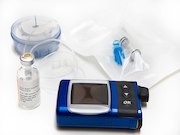
Mean HbA1c levels highest for emerging adults (age 18 to <25) and lowest for older adults (age ≥65)
Read More »
Appears to prevent exercise-induced hypoglycemia, reduce risk for hyperglycemia in T1DM patients
Read More »
Benefit of palliative radiation for bone metastasis across age groups; older age should not preclude tx
Read More »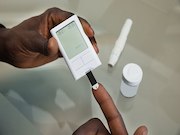
Within 6 months of elevated HbA1c, rate of initiation 63 percent, rate of intensification 82 percent
Read More »
Hypofractionated radiotherapy beats conventionally fractionated RT in orthotopic ATC model
Read More »
I am sitting at my desk and am reading this week’s interview with Dr. George Bakris. He was talking about the best resting heart rate, so I decided to check mine, and it was 61. Earlier today, I got a ride in between the rains and into the wind. I …
Read More »
We know treating and living with diabetes and excess weight or obesity takes a village, a multidisciplinary village, not only related to the patient and health care providers but truly the whole village or world. It also helps to remember the seasons and reasons why we do the things we do. We sometimes forget about how changes in weather, our personal cultures, living environment, even friends and loved ones who seemingly mean well can “sabotage" the greatest intentions.
Read More »
In part 2 of this 2-part Homerun Slides series, Finnish vs ADA diabetes risk scores. To download the complete set in PowerPoint format, just use this link: Prediabetes Part 2. Catch up on past Homerun Slides for the Hypertension Update: Prediabetes Part 1.
Read More »
The dominance of beta-cell functional impairment: As discussed earlier, the available evidence indicates that an average 30% loss of beta-cells is present in the islets of patients with T2DM. However, based on a series of considerations it is unlikely that this beta-cell deficit alone is the cause of most cases of diabetes. First, in vivo assessment of beta-cell function consistently shows a greater than 50% reduction in patients with overt T2DM, a difference that is amplified when using intravenous glucose.
Read More »