(Continued from Question #816 and Question #817) Mrs. O’Doole is a 34-year-old of Irish descent. She works as a florist and is married with three children. She arrives at your clinic for her annual wellness exam. Her blood pressure is 130/84 mmHg, pulse 65, BMI 24 kg/m2 and her physical exam is notable for acne and mild hirsutism. Her only current medication is oral birth control pills. She recalls starting OCP, 15 years prior, due to irregular menses. Based upon her medical history and physical, you believe it would be prudent to screen Mrs. O’Doole for type 2 diabetes. You discuss your recommendations with her and she agrees be tested. The lab returns a fasting plasma glucose (FBG) of 112 mg/dL. You share these results with your patient and inform her that, while only mildly elevated, she has impaired fasting glucose. She was started on lifestyle modifications plus dietary modifications, and exercise for weight loss. At a follow-up appointment 6 months later, Mrs. O’Doole tells you, despite good intentions, she has not been able to adhere to any meaningful lifestyle changes; in fact she has gained 5 pounds. At this time her repeat fasting plasma glucose shows FPG 138 mg/dL. After discussing management options with her, you decide the best management would be: (follow the link to respond!)
Read More »Yearly Archives: 2016
It is very frustrating when we take our time to educate patients on the complications of diabetes and then they flat out ignore us. These patients usually don’t have symptoms that make them feel bad, and so they feel we are overreacting and don’t really listen or make changes. Usually …
Read More »Diabetes for Cardiologists Part 7
In this week's Homerun Slides, the natural history of type 2 diabetes, the eight core defects implicated in the pathogenesis of type 2 diabetes, and the effects of treatment.
Read More »Dr. Don Fetterolf, Part 4: Identifying and Treating Foot Ulcers
In the final installment of this interview with Dr. Don Fetterolf, Diabetes in Control Publisher Steve Freed asks about recommendations for identifying and treating diabetic foot ulcers.
Read More »International Textbook of Diabetes Mellitus, 4th Ed., Excerpt #8: Epidemiology and Risk Factors for Type 1 Diabetes Mellitus Part 2 of 5
Type 1A diabetes results from a chronic autoimmune destruction of the pancreatic beta cells, probably initiated by exposure of a genetically susceptible individual to some environmental agent(s). This preclinical period is marked by the presence of autoantibodies to pancreatic beta-cell antigens such as insulin, GAD65 (Glutamic Acid Decarboxylase), ICA512 (called also IA-2) or ZnT8 (Zinc Transporter 8), and precedes the onset of hyperglycemia by a few years.
Read More »2016 to Bring Two New Artificial Pancreas Trials
Safety and efficacy, adaptive control algorithm to be tested in U.S. and Europe.
Read More »A New Proposed Classification of Diabetes: No More Type 1 or Type 2 Diabetes
β-cell centric classification of diabetes puts focus on single common denominator of all types.
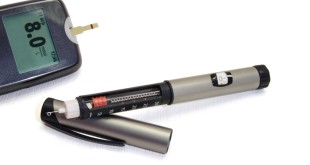
Read More »FDA Approves Lilly’s Humulin® R U-500 KwikPen®
New pen may improve glycemic control in people with severely insulin-resistant diabetes.
Read More »Metformin Use Being Limited?
Current black box warning may be overstating the kidney risk.
Read More »New USDA Dietary Guidelines
New nutrition recommendations filled with numerous changes.
Read More »
Diabetes In Control. A free weekly diabetes newsletter for Medical Professionals. News and information for Medical Professionals.