 Diabetes In Control. A free weekly diabetes newsletter for Medical Professionals. News and information for Medical Professionals.
Yohimbine, a α2A-adrenergic receptor agonist, showed a 29% increase in insulin secretion in patients with type 2 diabetes related to the genetic variation… The feasibility of exploiting genomic information for individualized treatment of polygenic diseases remains uncertain. A genetic variant in ADRA2A, which encodes the α2A-adrenergic receptor (α2AAR), was recently associated with type …
Read More »Yearly Archives: 2014
Iron-rich Foods May Put Night Workers at Greater Risk of Diabetes
The researchers found that dietary iron plays an important role in the circadian clock of the liver. “Iron is like the dial that sets the timing of the body clock,” said lead author Judith Simcox from the University of Utah in the US. The liver’s circadian clock is set by …
Read More »Diabetes Patients Have a Poor Response to Stress
Type 2 diabetes patients exhibited a weak ability to regulate blood pressure, cholesterol and heart rate when they experienced stress, a new study showed. Researchers also noted increased depressive and hostile symptoms in these patients. The researchers looked at the biological systems of 140 patients with type 2 diabetes and …
Read More »High-intensity Statin Treatment Improves Diabetic Coronary Atherosclerosis
Cleveland Clinic researchers found that high-intensity statin treatment was associated with coronary atheroma regression in patients with or without diabetes, suggesting the therapy may halt the progression of diabetic coronary atherosclerosis. Coronary atheroma volume was measured using serial intravascular ultrasound in patients treated with rosuvastatin 40 mg or atorvastatin 80 …
Read More »Trulicity Once-Weekly GLP-1 Shipping Now
Trulicity Once-Weekly GLP-1 Shipping Now Eli Lilly and Company announced that Trulicity, a glucagon-like peptide-1 receptor agonist (GLP-1 RA) with once-weekly dosing in the Trulicity pen, was approved by the FDA on September 18, 2014, and is shipping to distributors now.
Read More »The Role of Glutamine in Human Carbohydrate Metabolism in Kidney and Other Tissues
Glutamine is the most abundant amino acid in the human body and is involved in more metabolic processes than any other amino acid. Recent studies using isotopic and balance techniques have greatly advanced the understanding of glutamine metabolism in humans and its role in glucose metabolism in the kidney and other …
Read More »Editor’s Note, SGLT-2 Inhibitors Special Edition, October 2014
Sometimes it seems as if we don’t talk about an organ or a problem until we have a medication to treat it. For years we didn’t consider the kidney as a problem area for diabetes. It was not until we identified the SGLT-1 and -2 receptors that we began to …
Read More »Editor’s Note, DCMS #211
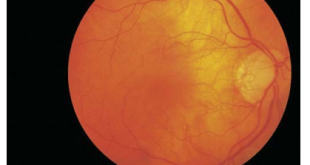
Each week there seem to be articles, studies, and clinical treatises that draw a link between diabetes and cardiovascular disease. If you look through all these documents, the benchmark for measurement always seems to be A1c. However, if you were to take a look at this week’s Homerun Slides from …
Read More »Diabetes Mellitus 101 for Cardiologists, Part 2

In this week’s Homerun Slides, courtesy Dr. Stanley Schwartz, we continue our examination of diabetes from a cardiologist’s perspective with topics including the Factors Contributing to Cardiometabolic Risk and the Pathophysiology of Diabetic Complications: Implications for Goals of Therapy…. To download the complete set of these slides in PowerPoint (.ppt) …
Read More »Handbook of Diabetes, 4th Ed., Excerpt #14: Diabetic Eye Disease

Rudy Bilous, MD, FRCP Richard Donnelly, MD, PHD, FRCP, FRACP Diabetic eye disease primarily affects the retinal vasculature, but the iris and lens can also be involved. Most people with diabetes will show signs of retinopathy after 25 years duration, but only a minority progress to the severest form. Photocoagulation has revolutionized …
Read More »