Teresa Pearson, RN, CDE, talks about how pay-for-performance has worked in Minnesota, commenting that, initially, many providers were skeptical, but that it is now clear that the system does impact diabetes care for the better. This change, along with the introduction of medical homes Pearson believes, will result in a …
Read More »Monthly Archives: January 2013
Editor’s Note, DCMS #119
Each week in our newsletter we bring you multiple articles on the reasons for lowering patients’ A1c and controlling their glucose levels. In addition we often include studies that encourage us to use insulin sooner and more aggressively. Anytime we get more aggressive we increase the risk of hypoglycemia. Sometimes …
Read More »Diabetic Emergencies: Hypoglycemia Caused by Insulin Secretagogues, Part 2
Nikolaos Tentolouris, Nikolaos Katsilambros Symptoms and signs of hypoglycemia in Type 2 diabetes The symptoms of hypoglycemia do not differ between people with Type 1 and Type 2 diabetes.
Read More »Achieving Glycemic Control in the Hospital Setting, Part 3 of 4
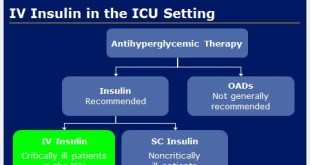
In this week’s set of Homerun Slides, our topics include IV Insulin Protocols, Considerations when Converting from IV to Subcutaneous Insulin, and the Basal-Bolus Principle: Adding Mealtime Control….
Read More »Letter from the Editor, #659
As I write this, I’m on the last day of the Consumer Electronics Show (CES) in Las Vegas, and if you switch on any television news show you are bound to see all the new TV’s, computers and phones. However what you may not know is that the digital health …
Read More »First SGLT-2 First-in-Class Drug to Treat Diabetes Under Scrutiny
First SGLT-2 First-in-Class Drug to Treat Diabetes Under Scrutiny See this week’s Item #3.
Read More »How to Avoid Becoming One of the Many Exercise Dropouts
By Sheri Colberg, PhD Based on past research, the top reasons why people drop out of exercise programs are the following (in no particular order): 1) lack of time, 2) exercise intensity too high, 3) orthopedic injury, and 4) lack of enjoyment. I will address each …
Read More »HAPIfork
HAPIfork Eating too fast, and not chewing long enough can lead to poor digestion and poor weight control. The HAPIfork is an electronic fork that can monitor patients’ eating habits. The HAPIfork provides precise information about eating schedule and alerts patients with the help of indicator lights when they are …
Read More »U.S. Kids Fail Physical Activity Goals
U.S. researchers looked at 1,218 6- to 11-year-olds included in the 2009-2010 National Health and Nutrition Examination Survey and found that only 38.3% met both daily physical-activity and screen-time recommendations. More than 70% of respondents got the recommended one hour or more of moderate-to-vigorous physical activity daily, while 53.5% had …
Read More »Americans Are Less Healthy and Die Younger
Americans have shorter average life expectancy than people in other wealthy nations and are more likely to engage in unhealthy behaviors such as consuming high-fat, high-calorie diets, according to a report. The U.S. fared poorly on metrics such as obesity and diabetes, infant mortality and teen pregnancy when compared with …
Read More »
Diabetes In Control. A free weekly diabetes newsletter for Medical Professionals. News and information for Medical Professionals.