 Diabetes In Control. A free weekly diabetes newsletter for Medical Professionals. News and information for Medical Professionals.
Immediate, intensive treatment for newly diagnosed patients with type 2 diabetes may be necessary to avoid irreversible long-term risk for diabetic complications and mortality.
Read More »Early Glycemic Control and Future Implications
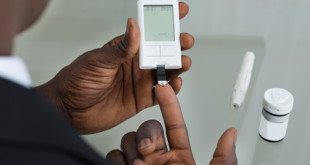
Immediate, intensive treatment for newly diagnosed patients with type 2 diabetes may be necessary to avoid irreversible long-term risk for diabetic complications and mortality.
Read More »
Exclusive insights from Dr. Ruth Loos on the new research on how genes contribute to body-fat distribution, which has identified 24 new genetic variants involved in determining where fat is stored, and how examining the links between fat distribution and diseases like diabetes may someday aid in developing new treatments.
Read More »
Automatic information processing studied to help find diabetic retinopathy on a larger scale.
Read More »
This past week I was in our corporate offices and one of our District Managers came up to me and said he had developed type 1 diabetes. Although he is 42 years old, his physician had told him that his pancreas had quit working. His first indication was a loss …
Read More »Higher testosterone/estradiol ratio linked to elevated risk for incident cardiovascular disease
Read More »The once-weekly glucagon-like peptide 1 receptor agonist cuts HbA1c, body weight
Read More »Findings for both increased risk of being a smoker and higher number of cigarettes smoked daily
Read More »
Injectable extended-release formulation of exenatide in patients with T2DM at a wide range of heart disease risk appeared not to cause increase in overall risk.
Read More »
Use of cholecalciferol demonstrated reductions in HbA1c.
Read More »
What is “metabolomics?” Metabolomics is an emerging field of analytical chemistry whose goal is to quantify all metabolites in a biologic sample, typically through application of multiple analytical platforms that enable determinations across a variety of metabolite classes. As with other omics-based technologies, this comprehensive coverage of metabolism has the benefit of allowing the observation of metabolic stressor effects not only at a single target, but also the ripple effect of the stressor, including compensatory responses, across the metabolic landscape.
Read More »