Type 2 diabetes has traditionally been viewed as a disease driven by insulin resistance and declining pancreatic beta-cell function. However, researchers are now looking much deeper into the cell itself. Increasing evidence suggests that mitochondrial dysfunction in diabetes may be a key factor linking impaired energy production, chronic inflammation, oxidative …
Read More »Amylin Is Making a Comeback: Why This Forgotten Hormone Is Back in the Spotlight
For years, glucagon-like peptide-1 (GLP-1) receptor agonists have dominated conversations about diabetes and obesity treatment. However, another hormone is quietly returning to the spotlight. Amylin diabetes therapy is making a comeback as researchers develop a new generation of drugs designed to improve blood glucose control and support weight management. Amylin …
Read More »The Glucagon Paradox: Why Activating a “Blood Sugar Hormone” Can Improve Metabolic Health
For decades, glucagon has been viewed as insulin’s opposite. While insulin lowers blood glucose, glucagon raises it by signaling the liver to release stored sugar into the bloodstream. Because of this, glucagon has traditionally been considered a hormone to suppress in people living with type 2 diabetes. However, modern research …
Read More »Can Sound Waves Treat Diabetes? The Emerging Science of Hepatic Neuromodulation
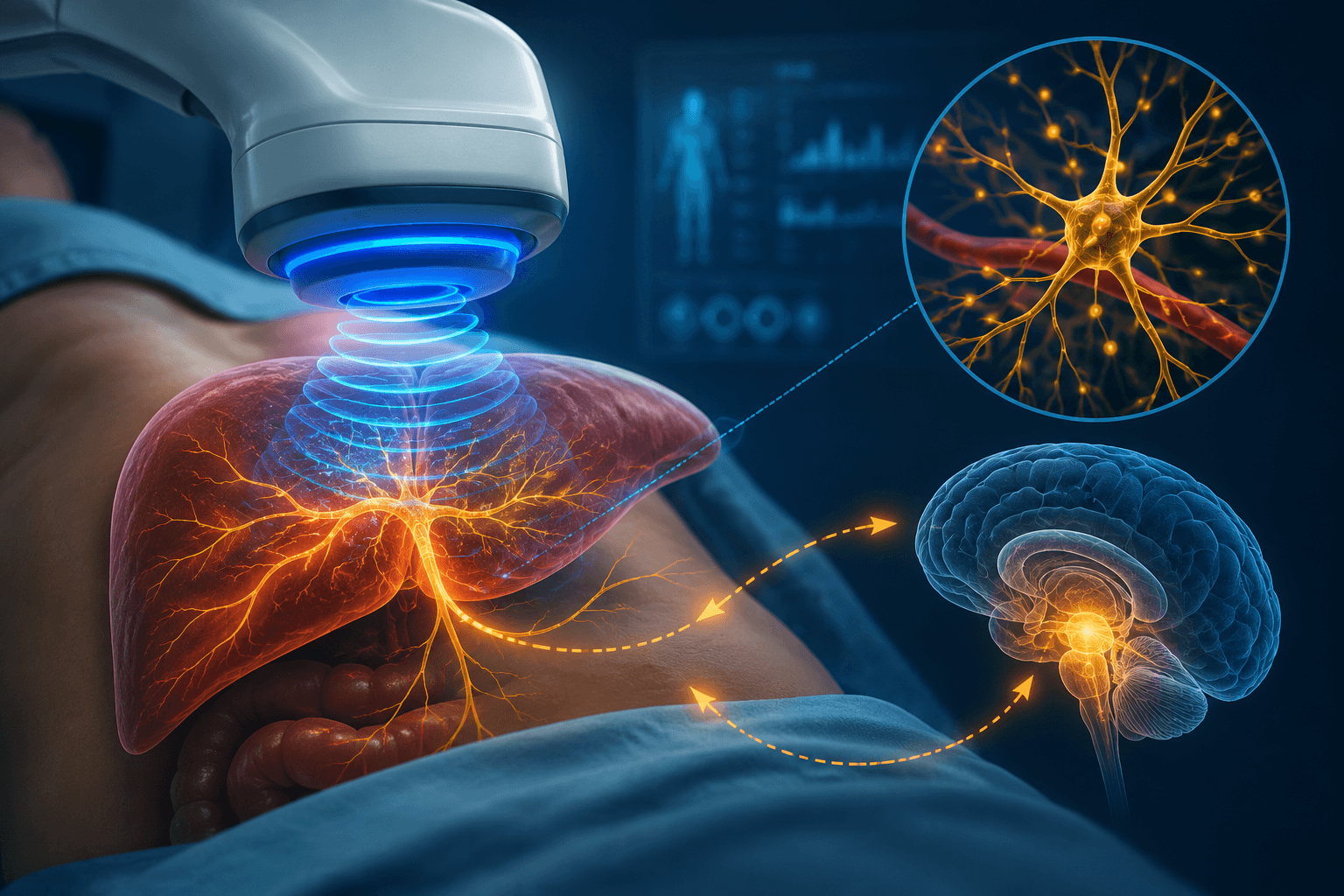
For decades, diabetes treatment has centered on medications, insulin therapy, lifestyle changes, and increasingly sophisticated medical devices. But what if a completely different approach could help regulate blood sugar without adding another drug? That intriguing question is driving research into hepatic neuromodulation for diabetes, a promising field that uses focused …
Read More »
Diabetes In Control. A free weekly diabetes newsletter for Medical Professionals. News and information for Medical Professionals.