 Diabetes In Control. A free weekly diabetes newsletter for Medical Professionals. News and information for Medical Professionals.
The management of diabetes in older adults is a complex and individualized process that requires careful consideration of various factors, including the person’s overall health status, life expectancy, and treatment goals. While overtreatment can be a concern in some cases, the appropriate treatment approach for older adults with diabetes should …
Read More »Can COVID-19 Cause Diabetes?
As of my last update in September 2021, there is evidence to suggest that COVID-19 may be associated with an increased risk of developing diabetes, particularly type 2 diabetes. However, it is important to note that the relationship between COVID-19 and diabetes is complex and continues to be an area …
Read More »Bydureon BCise: A New Treatment Option Approved for Adolescents with Type 2 Diabetes
Type 2 diabetes is a growing health concern among adolescents worldwide, with the prevalence of the disease increasing significantly in recent years. The U.S. Food and Drug Administration (FDA) has taken a significant step forward in addressing this issue by approving Bydureon BCise for use in adolescents. Bydureon BCise is …
Read More »GLP-1 RA Medications and the Heart: A Positive Impact on Cardiovascular Health
Glucagon-like peptide-1 receptor agonists (GLP-1 RAs) are a class of medications used to treat type 2 diabetes. Over the past few years, these drugs have garnered attention not only for their effectiveness in managing blood sugar levels but also for their potential positive impact on cardiovascular health. In this blog, …
Read More »Diabetes and Hot Weather Exercise: Staying Safe and Active
For people with diabetes, regular exercise is a crucial component of managing blood sugar levels and promoting overall health. However, exercising in hot weather can pose unique challenges, as high temperatures can impact blood glucose control and increase the risk of heat-related complications. In this blog, we will explore essential …
Read More »Unraveling the Intricate Link Between Cancer, Type 2 Diabetes, and Parkinson’s Disease
Throughout history, medical science has sought to understand the complex nature of various diseases that affect millions of lives worldwide. Three of the most prevalent and devastating conditions are cancer, type 2 diabetes, and Parkinson’s disease. At first glance, these illnesses may seem unrelated, as they manifest in distinct ways …
Read More »Glucose Goals Unleashed: Fewer Americans Tame the Sugar Dragon
The prevalence of diabetes and prediabetes in the United States has reached alarming levels, with a significant number of Americans struggling to tame the “sugar dragon” that threatens their health. The sugar dragon represents the relentless battle against high blood sugar levels and the challenges many individuals face in achieving …
Read More »Insulin Use in Type 2 Diabetes and the Risk of Dementia

There has been some research that suggests that insulin use in people with type 2 diabetes may be associated with an increased risk of dementia. However, more recent research has found that this association may be due to confounding factors, such as the severity of diabetes and other health conditions. …
Read More »Common and Distinct Genetic Architecture of Age at Diagnosis of Diabetes

Effect of Early Glycemic Control in Youth-Onset Type 2 Diabetes on Longer-Term Glycemic Control
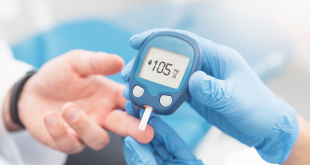
Type 2 diabetes (T2D) is a chronic metabolic disorder characterized by high blood sugar levels. It is most commonly diagnosed in adults, but it is becoming increasingly common in children and adolescents. Youth-onset T2D is a more severe form of the disease than adult-onset T2D. It is often associated with …
Read More »