Jul 16, 2026
Articles, Blood Glucose Control, Blood Glucose Control, Therapies, Type 2 Diabetes, Type 2 Diabetes
2,143 views
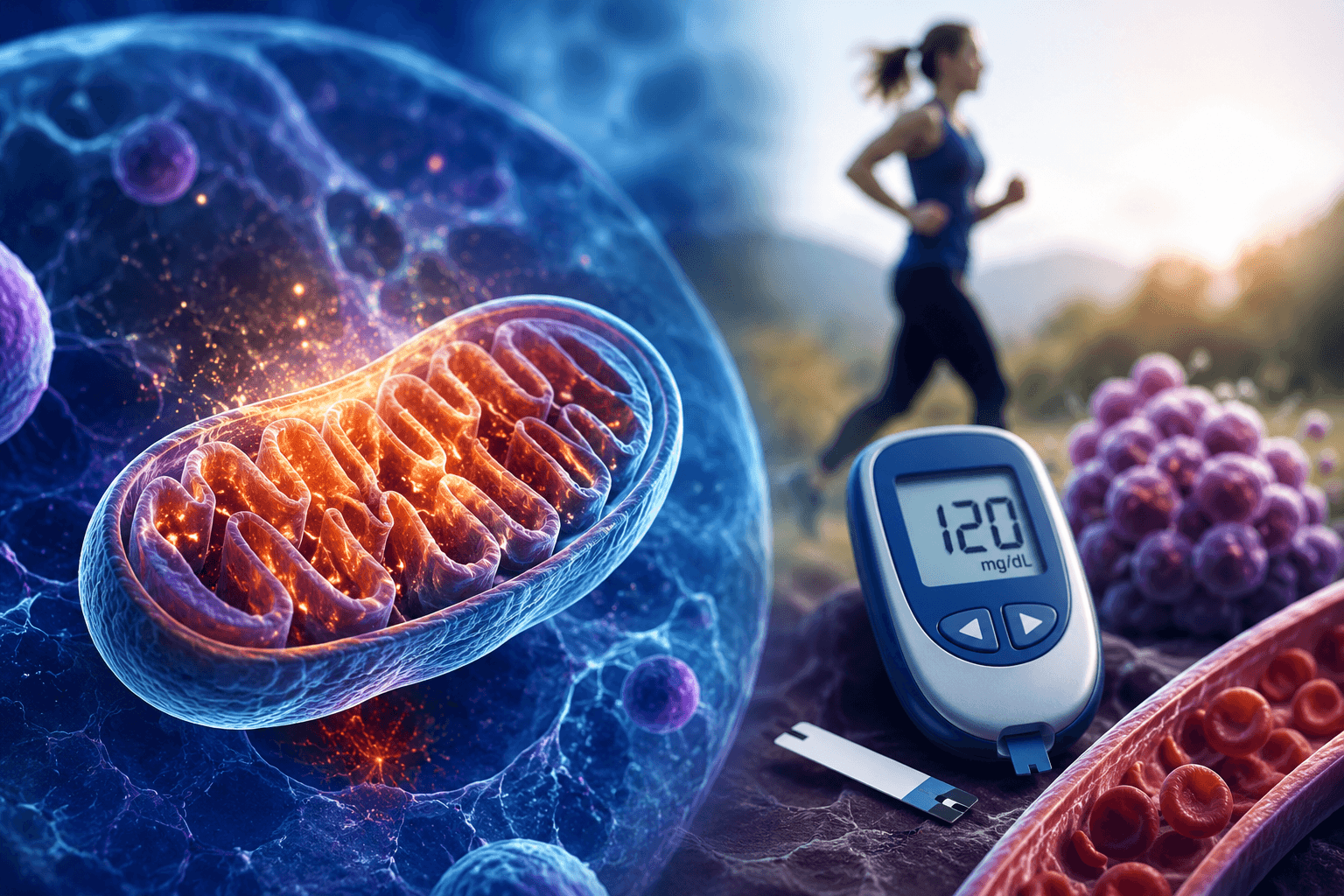
Type 2 diabetes has traditionally been viewed as a disease driven by insulin resistance and declining pancreatic beta-cell function. However, researchers are now looking much deeper into the cell itself. Increasing evidence suggests that mitochondrial dysfunction in diabetes may be a key factor linking impaired energy production, chronic inflammation, oxidative …
Read More »
Jul 10, 2026
Articles, Diabetes, Therapies, Type 2 Diabetes, Type 2 Diabetes
3,157 views
Diabetes research has advanced rapidly over the past two decades, leading to groundbreaking medications such as GLP-1 receptor agonists, SGLT2 inhibitors, and dual incretin therapies. However, one challenge remains constant: developing new treatments through traditional clinical trials is often expensive, time-consuming, and inflexible. Could there be a better way to …
Read More »
May 15, 2026
Articles, Diabetes, Therapies, Type 2 Diabetes, Type 2 Diabetes
1,907 views
Managing Type 2 diabetes used to follow a relatively predictable path. Clinicians often started with metformin and added medications gradually as glucose control worsened. Today, however, diabetes care looks very different. The number of available therapies has expanded rapidly, and while that growth has improved patient outcomes, it has also …
Read More »
Apr 22, 2026
Articles, Cardiology, Diabetes, DPP-4 Therapy Center, GLP- 1 Agonist Therapy Center, GLP-1 Agonist Therapy Center, Therapies, Type 2 Diabetes, Type 2 Diabetes
1,578 views
In recent years, the role of incretin therapy in cardiovascular disease management has gained attention as new outcomes data reshape how clinicians approach high-risk patients. But should treatment choices really change based on these findings? As evidence evolves, many providers are reconsidering which therapies deliver both glycemic control and cardiovascular …
Read More »
Mar 11, 2026
Articles, Diabetes, GLP- 1 Agonist Therapy Center, Nephrology, Type 2 Diabetes, Type 2 Diabetes
2,207 views
Chronic kidney disease (CKD) remains one of the most serious complications associated with diabetes, affecting millions of patients worldwide. While SGLT2 inhibitors have become foundational therapies for protecting kidney function, researchers are increasingly examining whether other drug classes may also slow renal decline. In particular, growing interest surrounds how GLP-1 …
Read More »
Feb 10, 2026
Articles, Dermatology
2,343 views
A patient returns for follow-up after starting a GLP-1 receptor agonist and mentions something unexpected. Their blood glucose is improved, weight is down, and their psoriasis seems quieter. Another patient reports fewer hidradenitis flares. These anecdotes are becoming more common, raising a practical question for clinicians. Are GLP-1 therapies influencing …
Read More »
Feb 9, 2026
Articles, Bone & Joint, Diabetes, Type 2 Diabetes, Type 2 Diabetes
2,361 views
A patient with type 2 diabetes finally achieves better glycemic control on a GLP-1 receptor agonist. Weight is coming down, A1C is improving, and cardiovascular risk looks more manageable. Then an unexpected comment appears at a follow-up visit. Their joints feel better. For clinicians, moments like this raise an important …
Read More »
Jan 30, 2026
Articles, Diabetes, Featured, Obesity, Obesity, Therapies, Type 2 Diabetes, Type 2 Diabetes
2,163 views
What if the key to resolving both diabetes and liver disease lies in a single therapeutic approach? As rates of metabolic dysfunction-associated steatohepatitis (MASH) rise among people with type 2 diabetes, many clinicians are rethinking how they prioritize treatment. Rather than treating glucose and liver health in silos, combining therapies …
Read More »
Dec 4, 2025
Articles, Diabetes, Exercise, Physical Activity, Therapies, Type 2 Diabetes, Type 2 Diabetes
1,907 views
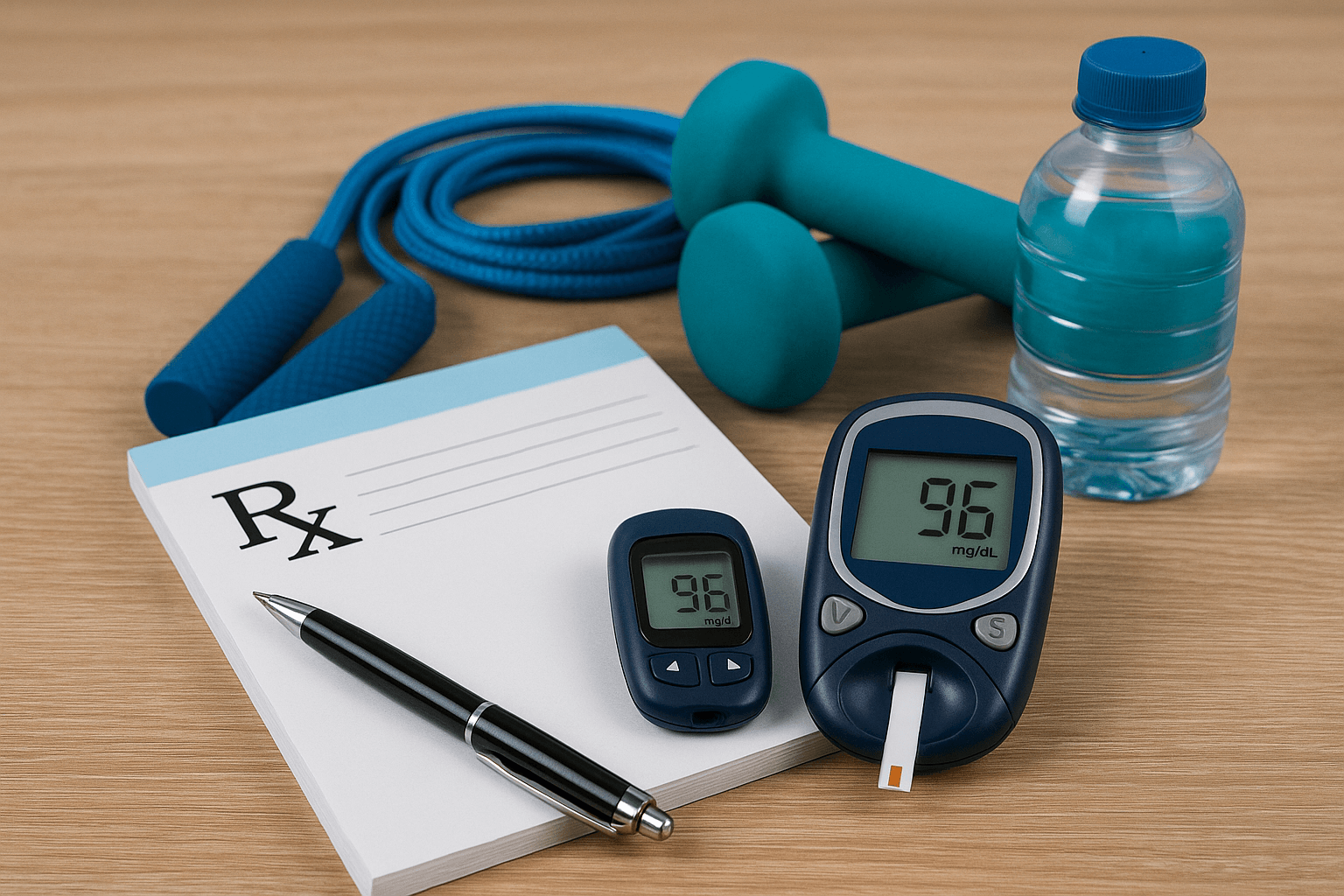
When treating patients with diabetes, lifestyle advice such as “eat healthy” and “stay active” is often routine. But what if we took that a step further and issued a formal exercise prescription — in other words, ordering physical activity like we would a drug? Recent research suggests that a structured …
Read More »
Dec 3, 2025
Articles, Insulin Therapy Center, Therapies, Type 2 Diabetes
2,460 views
Starting insulin early in the course of type 2 diabetes may seem counter‑intuitive. After all, many patients and clinicians treat insulin as a “last resort.” Yet what if early insulin initiation could actually change the trajectory of the disease — preserving pancreatic function, improving long‑term control, and reducing complications? In …
Read More »
 Diabetes In Control. A free weekly diabetes newsletter for Medical Professionals. News and information for Medical Professionals.