May 7, 2026
Articles, Blood Glucose Control, Blood Glucose Control, Diabetes, GLP- 1 Agonist Therapy Center, GLP-1 Agonist Therapy Center, Type 2 Diabetes, Type 2 Diabetes
2,219 views
What if the biggest missed opportunity in diabetes care is not a new drug, but when we start using it? Early GLP-1 therapy is gaining attention as clinicians rethink traditional treatment timelines. Instead of reserving GLP-1 receptor agonists for later stages, emerging evidence suggests starting sooner may improve outcomes and …
Read More »
Apr 1, 2026
Articles, Diabetes, Type 2 Diabetes, Type 2 Diabetes
13,056 views
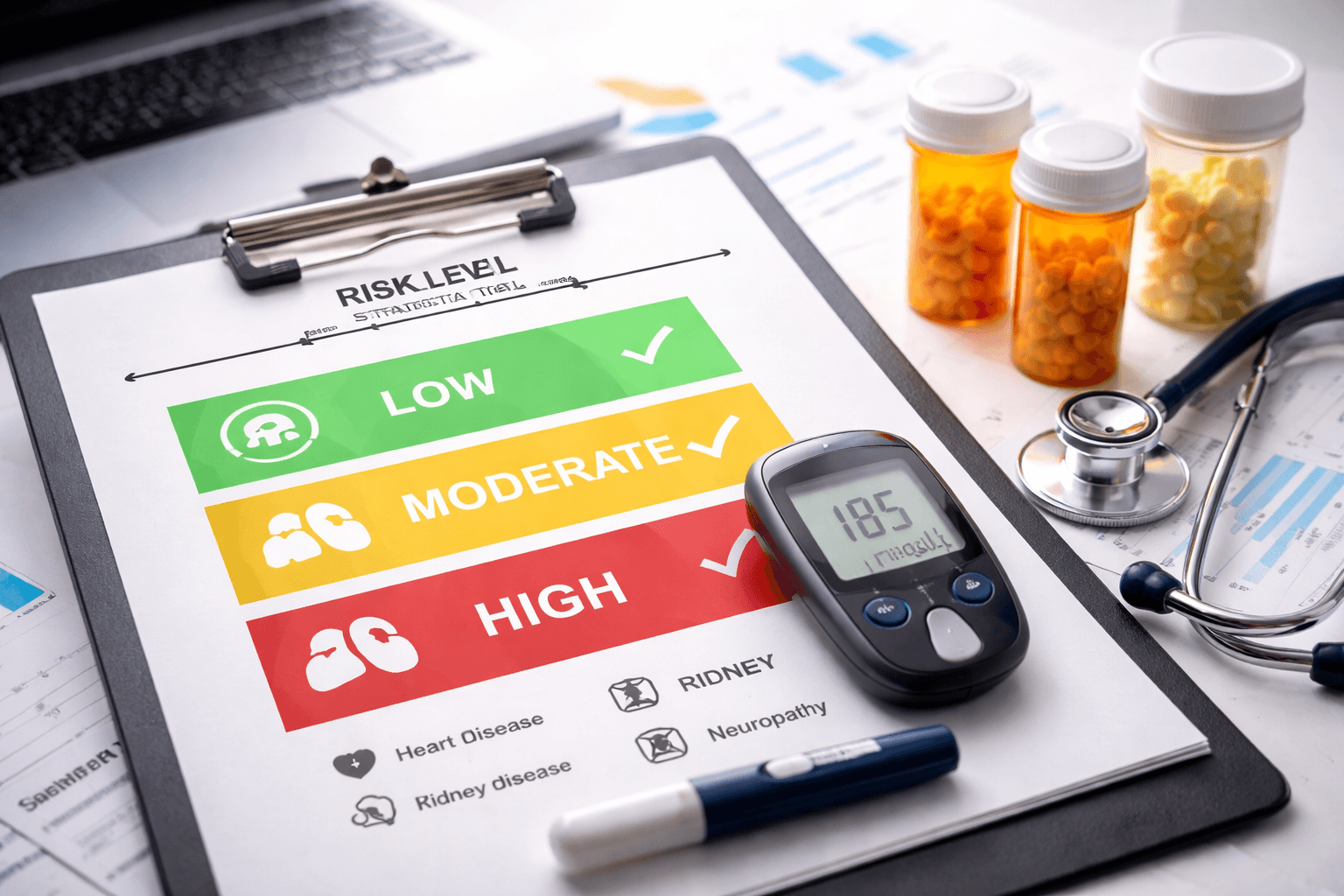
Managing type 2 diabetes today can feel like navigating a moving target. As new guidelines shift toward personalized, risk-based care, many clinicians ask the same question: how can a diabetes risk stratification approach be applied effectively in daily practice? This evolving approach is not just theoretical. Instead, it offers a …
Read More »
Mar 30, 2026
Diabetes, GLP- 1 Agonist Therapy Center, GLP-1 Agonist Therapy Center, Obesity, Therapies, Type 2 Diabetes, Type 2 Diabetes
965 views
As the use of GLP-1 receptor agonists expands, clinicians increasingly face a key challenge: how do you manage patients with multimorbidity using GLP-1 therapies? These treatments are no longer limited to glycemic control. Instead, they now play a central role in cardiovascular protection, weight management, and even renal outcomes. However, …
Read More »
Mar 19, 2026
Articles, Diabetes, GLP- 1 Agonist Therapy Center, GLP-1 Agonist Therapy Center, Therapies, Type 2 Diabetes, Type 2 Diabetes
2,404 views
Managing type 2 diabetes today can feel like solving a moving puzzle. With so many therapies available, how do clinicians decide what comes next? GLP-1 therapies have become a key part of today’s diabetes treatment algorithm, helping providers balance glucose control, cardiovascular risk, and patient preferences. As treatment options evolve, …
Read More »
Mar 5, 2026
Articles, Blood Glucose Control, Blood Glucose Control, Diabetes, Therapies, Type 2 Diabetes, Type 2 Diabetes
2,768 views
When managing type 2 diabetes, should clinicians still begin with one medication and wait for treatment failure before intensifying therapy? Increasingly, evidence suggests that early combination therapy in type 2 diabetes may provide better durability, faster glycemic control, and improved cardiovascular and kidney outcomes in high-risk patients. While metformin monotherapy …
Read More »
Feb 13, 2026
Articles, Cardiology, Diabetes, Nephrology, Therapies
4,643 views
A patient’s A1C can look acceptable on paper while everything else is quietly heading in the wrong direction. Cardiovascular risk is rising, kidney function is slipping, and the patient keeps missing follow-up visits because of cost, transportation, or work constraints. Most clinicians have seen this scenario play out, even when …
Read More »
Jan 9, 2026
Articles, Diabetes, Therapies, Type 2 Diabetes, Type 2 Diabetes
1,617 views
As the landscape of diabetes care evolves, one question continues to surface: are we focusing too much on glucose and not enough on the bigger cardiometabolic picture? In recent years, glucagon‑like peptide‑1 receptor agonists (GLP‑1 RAs) have moved from glucose-focused agents to powerful tools in cardiovascular and metabolic risk reduction. …
Read More »
 Diabetes In Control. A free weekly diabetes newsletter for Medical Professionals. News and information for Medical Professionals.