 Diabetes In Control. A free weekly diabetes newsletter for Medical Professionals. News and information for Medical Professionals.
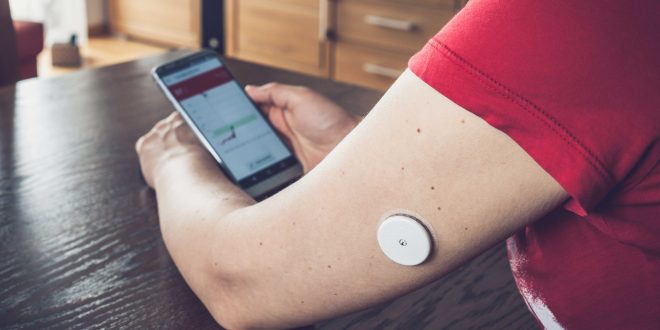
According to research presented by Dr. Tong Yew at the National University Hospital in Singapore, smartphone coaching in conjunction with usual care resulted in better maternal glycemic control.
Gestation diabetes mellitus (GDM) affects around 25% of all pregnancies in Singapore. Cesarean section, preeclampsia, preterm labor, macrosomia, and infant hypoglycemia can all be associated with GDM. The CDC describes gestational diabetes as a type of diabetes that occurs in women that previously did not have it. It occurs in around two to 10% of all pregnancies in the United States, and 50% of those that get gestational diabetes go on to have type 2 diabetes. Avoiding excessive gestational weight gain (EGWG) can also help with glycemic control. It is associated with higher risks of hypertensive pregnancies, large gestational infants, and postpartum weight retention. Patient feedback typically only occurs during face-to-face consultations. This hinders patients from potentially receiving information the instant they need it. The use of mobile technologies could fill these gaps. Research has shown that it can improve glycemic control, adherence, blood pressure, and depression. While there have been positive studies on the use of websites, telemonitoring, and emails, these approaches are less impactful than they once were.
This trial, referred to as the SMART-GDM trial, sought to determine the effectiveness of Habits-GDM, which is an automated smartphone application designed for coaching women with GDM aimed at preventing EGWG. Dr. Yew and his colleagues submitted this research to the American Diabetes Association to examine and summarize the benefits in this patient population. A total of 340 women were enrolled in this study from September 2017 to November 2018. Of those 340 patients, 333 were included in the analysis of the primary outcome. Eligible patients included women between 12 to 30 weeks of gestation. They also had to have been receiving face-to-face GDM education. Other criteria for inclusion were patients older than 20, single pregnancy, proficiency in English, and plans to deliver at the National University Hospital. Exclusion criteria included patients who currently had diabetes, need for insulin therapy, heart failure, chronic kidney disease, feeding disorders, impaired mobility, history of bariatric surgery, use of corticosteroids, and impaired mobility. Participants were randomized in a 1:1 fashion to receive the intervention or control, and allocation was concealed. The primary outcome of this trial was the proportion of participants with EGWG. The secondary outcomes of this trial include absolute gestational weight gain, glycemic control, and neonatal complications. Neonatal complications include bone, nerve, and soft tissue injuries, hypoglycemia, hyperbilirubinemia, respiratory distress, NICU admission with 24 hours of birth, and perinatal death. The differences in the groups were analyzed using odds ratios with a 95% confidence interval, and significance was reported at a p-value <0.05.
The results from this study showed that the use of a smartphone application program did not substantially reduce the odds of EGWG in comparison to standard care. The effect of this intervention resulted in an odds ratio of 1.55 (95% CI 0.84; 2.87) and a p-value of 0.152. However, clinically the results of the intervention showed that participants had better glycemic control with fewer adverse effects. This study also showed that even though EGWG is not affected, better outcomes from neonates were observed. Of the 152 infants, complications occurred in 38.1% of the treatment group instead of 53.7% of the control group. Neonatal complications were significantly lower in the treatment group with an odds ratio of 0.53 (95% CI 0.34; 0.84) and a p-value of 0.006.
In conclusion, more studies should investigate the potential statistical benefit of smartphone applications to help guide lifestyle choices. SMART-GDM is the largest randomized controlled trial of this design and will add to the literature in this area. As stated by Dr. Yew, smartphone-based applications result in better glycemic control and neonatal outcomes when added to standard care. The strengths of this study include its methodical design, large sample size, randomization, as well as its range of outcomes. Limitations of this trial include not following outcomes of postpartum for an adequate amount of time. Also, they did not collect data on how the intervention might affect gestational weight gain and glycemic control. Lastly, the clinicians who treated patients were not blinded, which could cause some bias.
Practice Pearls:
- Avoiding excessive gestational weight gain can also help with glycemic control.
- The results from this study showed that the use of a smartphone application program did not substantially reduce the odds of EGWG in comparison to standard care.
- This study also showed that even though EGWG is not affected, better outcomes from neonates were observed.
References
“Gestational Diabetes.” Centers for Disease Control and Prevention, Centers for Disease Control and Prevention, 10 Aug. 2021, link
Yew, Tong Wei, et al. “A Randomized Controlled Trial to Evaluate the Effects of a Smartphone Application-Based Lifestyle Coaching Program on Gestational Weight Gain, Glycemic Control, and Maternal and Neonatal Outcomes in Women with Gestational Diabetes Mellitus: The SMART-GDM Study.” Diabetes Care, vol. 44, no. 2, 2020, pp. 456–463., link
Kmeone Kingdom, MPH, PharmD Candidate, South College School of Pharmacy