 Diabetes In Control. A free weekly diabetes newsletter for Medical Professionals. News and information for Medical Professionals.
Letter from the Editor
 This week Sheri R. Colberg, PhD, FACSM has an interesting feature on exercise and glucose levels. In her in-depth review she presents concepts that may change how you advise your patients on eating before during and after exercise.
One of the things that we often do is discount the consumption of protein and its affect on glucose levels. Normally we just don’t attribute a rise in glucose to protein, but in a feature by Dahlia Elimairi, Pharm D student at UC Denver Skaggs School of Pharmacy, you can learn how important it is to consider protein when using insulin.
*****************************
We can make a difference!
*****************************
Dave Joffe
Editor-in-chief
New Product: Novo Nordisk Soon To Release Its Smart Insulin Pens
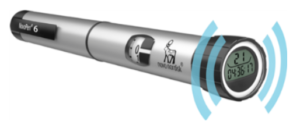 Novo Nordisk’s new smart pens will have the ability to connect to the DexCom G6 and The Abbott Libre CGM and the diabetes management software from Glooko’s Diasend. See Item #3.
Did You Know: Tree Nuts Reduce CVD And Glucose
 According to new research, eating more nuts can help to reduce the risk of cardiovascular disease among people with type 2 diabetes. In the current study, the researchers found that eating all kinds of nuts provided some heart-healthy benefits. Even eating a small amount of tree nuts had an effect. When compared with people with type 2 diabetes who ate little or no nuts, those eating five servings of nuts per week had a 17% lower risk of cardiovascular disease and death plus a 31% reduced risk of all-cause mortality. When compared with people who did not change their frequency of eating nuts after being diagnosed with diabetes, there was a 15% lower risk of coronary heart disease, plus a 25% percent lower risk of cardiovascular disease death, including a 27% lower risk of all-cause premature death. What’s interesting is that each additional serving per week of total nuts was associated with a 3% percent lower risk of cardiovascular disease and a 6% lower risk of cardiovascular disease death. The results were the same for both genders regardless of a person’s smoking habits or bodyweight. So which nuts do you tell your patients to consume? The nuts with the most benefits are walnuts, almonds, Brazil nuts, cashews, pistachios, pecans, macadamias, hazelnuts and pine nuts. These types of tree nuts were strongly associated with reduced cardiovascular risk compared with peanuts, which are actually legumes, because unlike tree nuts, peanuts grow underground. While the exact biological mechanisms of nuts on heart health are unclear, researchers report that nuts appear to help improve glucose management, as well as blood pressure, metabolism of fats, inflammation, and blood vessel wall function. Also, researchers explain that tree nuts may offer more benefits because they contain higher levels of these nutrients than peanuts. — Circulation Research, an American Heart Association journal.
By Sheri R. Colberg, PhD, FACSM
There is no official ideal blood glucose range to start with and maintain during physical activity, but we do know that being too low negatively impacts performance, as does being too high. As for what blood glucose target or range most athletes aim for, it depends on a number of factors, including the type, intensity, and duration of their activity. A consensus statement about exercise and type 1 diabetes published in The Lancet in 2017 suggested that a reasonable target for most people doing aerobic exercise lasting up to an hour is 126 to 180 mg/dL (7.0 to 10.0 mmol/L), only aiming higher for added protection against lows in some situations.
New evidence suggests added consideration of the protein and fat.
Reusable smart insulin pens to launch first, followed by Bluetooth attachment for disposable pens later in 2019.
Quote of the Week!
“Be sure you put your feet in the right place, then stand firm.”
…Abraham Lincoln
Diabetes in Control gratefully acknowledges the assistance of the following pharmacy doctoral candidates in the preparation of this week’s newsletter:
Dahlia Elimairi, Pharm D student, UC Denver Skaggs School of Pharmacy
Your Friends in Diabetes Care
Steve, Dave, and Joy
Diabetes In Control
810 Bear Tavern Road Suite 102
Ewing, NJ, 08628
USA
www.diabetesincontrol.com