 Diabetes In Control. A free weekly diabetes newsletter for Medical Professionals. News and information for Medical Professionals.
Letter from the Editor
 One of the most attended presentations at the ADA Scientific Sessions was a short talk by Mark Espeland, Ph.D. He was focusing on how weight reduction and physical activity can have a positive effect on cognitive function. When our Publisher, Steve Freed, caught up with him, he was surprised to find that Dr. Espeland had a lot more to share than just what was covered in his talk.
Steve sat down with the good Doctor and by the time he was done there were 5 videos chuck full of great information.
*****************************
We can make a difference!
*****************************
Dave Joffe
Editor-in-chief
Newsflash: Medtronic Issues Update on New Insulin Pump Access
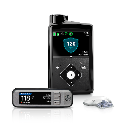 For those customers wanting to upgrade their MiniMed 630G system to the new 670G system pump, the deadline to opt-in for the revolutionary technology of the MiniMed 670G closed-loop system and be among the first to experience this revolutionary technology is Friday, July 28. More details about the system access activities and program requirements can be viewed here.
This Week's Survey
At what A1c level would you recommend the use of metformin?
1. 5.6%
2. 5.7 – 5.9%
3. 6.0%
4. 6.1 – 6.2%
5. 6.3 – 6.4%
6. 6.5 – 7%
Follow the link to share your response.
Patient Mobile App
Through a partnership with Glooko, a leading diabetes data management platform, Novo Nordisk has launched a new mobile app – Cornerstones4Care (C4C) – which will help people more effectively track and manage their diabetes day-to-day.
Current Video
Dr. Mark Espeland, PhD is the founding chair of the Department of Biostatistical Sciences at Wake Forest School of Medicine in Winston-Salem, NC. In this interview, he discusses his presentation on lifestyle intervention in diabetes, the LOOK AHEAD study.
Test Your Knowledge
A 62-year-old man presents with type 2 diabetes, hypertension, and albuminuria. His seated BP is 162/104 mm Hg. What’s an ideal blood pressure target for this patient?
A. 140/90 mm Hg
B. 130/80 mm Hg
C. 120/70 mm Hg
D. 150/80 mm Hg
Follow the link to see the right answer.
Fact: Metformin Has 41% Lower T2D Risk Following Gestational Diabetes
After 15 years, use of metformin among women who’ve had gestational diabetes was associated with a 41% lower risk of developing type 2 diabetes, compared with an 11% reduced risk among women with no history of gestational diabetes, researchers reported. These latest findings come from the Diabetes Prevention Program (DPP) and its extension phase. This contrasts with an overall effect of metformin in reducing the risk of type 2 diabetes by 18% in the study cohort as a whole. Dr. David Nathan who was the study lead presented the results at the 77th ADA Scientific Sessions and stated that, “The overall results reinforce the long-lasting efficacy of metformin in reducing the development of diabetes and support its more widespread use as a prevention measure in those at high risk.” In the original analysis, metformin reduced the risk of future diabetes by 51% in women with a history of gestational diabetes. Two other subgroups of patients also seemed to gain greater benefit from metformin — those younger than 60 years of age and those with a BMI >35 kgm2. At the conclusion of the DPP, the placebo was stopped, and all patients were offered a slightly different lifestyle intervention. In addition, metformin continued to be provided to the people in the original metformin group. This extension phase — known as the Diabetes Prevention Program Outcomes Study (DPPOS) — was started in 2003 and is still ongoing, with 88% of the original volunteers still participating. Over time, the 31% reduction in diabetes risk initially seen with metformin waned to 18% by 10 years and has remained stable, so “an 18% reduction is the overall result, compared with people in the original placebo group,” Dr. Nathan pointed out. One of the clinical implications includes, considering which of their patients should receive metformin, clinicians should now be more likely to prescribe it to women with a history of gestational diabetes, who were shown in this study to have the biggest impact in terms of diabetes reduction. Dr. Nathan in conclusion added that, lifestyle modification should always be tried first. — American Diabetes Association (ADA) 2017 Scientific Sessions
Diabetes is a strong contributor to inner ear disorders, altering metabolic activity which can result in hearing loss.
Combination ANRI sacubitril/valsartan (EntrestoR) showed significant reduction in risk for cardiovascular death and hospitalization for worsening heart failure.
Study prompts more concerns for future seniors with diabetes.
Studies show that half of Chinese adults have an increased risk for prediabetes and diabetes; Tibetan and Muslim Chinese at lowest risk.
Quote of the Week!
“The first wealth is health.”
…Ralph Waldo Emerson
Diabetes in Control gratefully acknowledges the assistance of the following pharmacy doctoral candidates in the preparation of this week’s newsletter:
Nuha Awad, Doctor of Pharmacy Candidate: Class of 2018; LECOM College of Pharmacy
Your Friends in Diabetes Care
Steve and Dave
Diabetes In Control
810 Bear Tavern Road Suite 102
Ewing, NJ, 08628
USA
www.diabetesincontrol.com