 Diabetes In Control. A free weekly diabetes newsletter for Medical Professionals. News and information for Medical Professionals.
TOP STORIES — Diabetes News and Research

Letter from the Editor

Now that we seem to be making progress on overcoming the high rates of death and hospitalizations from Covid-19 and life is starting to move back to some sort of pre-pandemic normalcy, researchers can take more time to look at outcomes in various groups of patients and disease states. Early on it was surmised that patients with obesity and those with diabetes were more likely to have severe complications related to Covid-19. Now that we have had time to look at hospital records and patient information, we have found that both obesity and diabetes did make the complications worse. We have an article by Joan Prifti, PharmD. Candidate, LECOM College of Pharmacy, that delivers some sobering information on just how badly these patients fared.
Take a look at her conversation on the real severity, pay attention to the hospitalization and mechanical ventilation rates: you, like me, will be shocked.
*****************************
We can make a difference!
*****************************
Dave Joffe
Editor-in-chief
TOP STORIES — Diabetes News and Research
A combined pharmacological therapy showed efficacy in bodyweight reduction without lifestyle, diet, physical activity changes or surgery.
Patients with diabetes and COVID-19 were more likely to die within 14 days of hospitalization than those without diabetes.
A retrospective study was conducted to determine the neonatal impact of ultrasound-guided management of gestational diabetes.
Did You Know? Certain Cooking Fats Can Increase Risk Of Death From Cardiometabolic Diseases
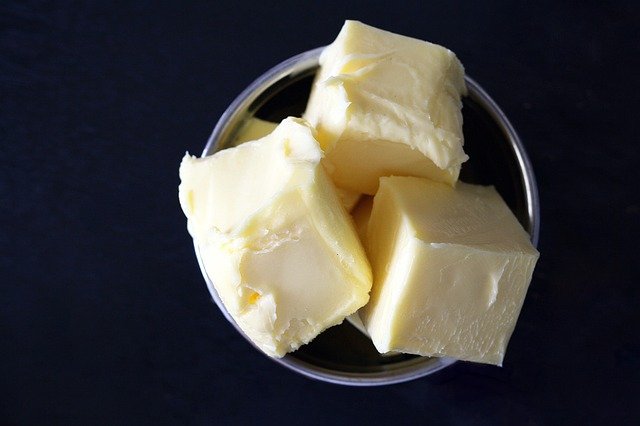 This study identified and prospectively followed 521,120 participants aged 50-71 years from the National Institutes of Health-American Association of Retired Persons Diet and Health Study. A validated food frequency questionnaire assessed individual cooking oil/fat consumption. Hazard ratios (HRs) and 95% confidence intervals (CIs) were estimated for mortality through the end of 2011. Overall, 129,328 deaths were documented during a median follow-up of 16 years. Intakes of butter and margarine were associated with higher total mortality, while intakes of canola oil and olive oil were related to lower total mortality. After multivariate adjustment for major risk factors, the HRs of cardiometabolic mortality for each 1-tablespoon/day increment were 1.08 (95% CI 1.05-1.10) for butter, 1.06 (1.05-1.08) for margarine, 0.99 (0.95-1.03) for corn oil, 0.98 (0.94-1.02) for canola oil, and 0.96 (0.92-0.99) for olive oil. Besides, butter consumption was positively associated with cancer mortality. Substituting corn oil, canola oil, or olive oil for equal amounts of butter and margarine was related to lower all-cause mortality and mortality from certain causes, including CVD, diabetes, cancer, respiratory disease, and Alzheimer’s disease.
From the results of the study, it was determined that consumption of butter and margarine was associated with higher total and cardiometabolic mortality. Replacing butter and margarine with canola oil, corn oil, or olive oil was related to lower total and cardiometabolic mortality. The findings support shifting the intake from solid fats to non-hydrogenated vegetable oils for cardiometabolic health and longevity. This study provides more nuanced data highlighting differences in various fats that match other published literature. The takeaway from this study remains to choose olive oil over butter for better cardiovascular health and reduced cardiovascular mortality.
Diabetes in Control gratefully acknowledges the assistance of the following pharmacy doctoral candidates in the preparation of this week’s newsletters:
Brianna Belton, PharmD. Candidate, Florida Agricultural & Mechanical University, College of Pharmacy and Pharmaceutical Sciences
Macrina Ghali, PharmD Candidate 2021, Florida A&M University, College of Pharmacy and Pharmaceutical Sciences
Thi Vietthi Huynh, 2022 PharmD Candidate, Lake Erie College of Osteopathic Medicine – School of Pharmacy
Shalonda Kimble, PharmD Candidate, South College School of Pharmacy
Joan Prifti, PharmD. Candidate, LECOM College of Pharmacy
Your Friends in Diabetes Care
Steve and Dave
Diabetes In Control
www.diabetesincontrol.com