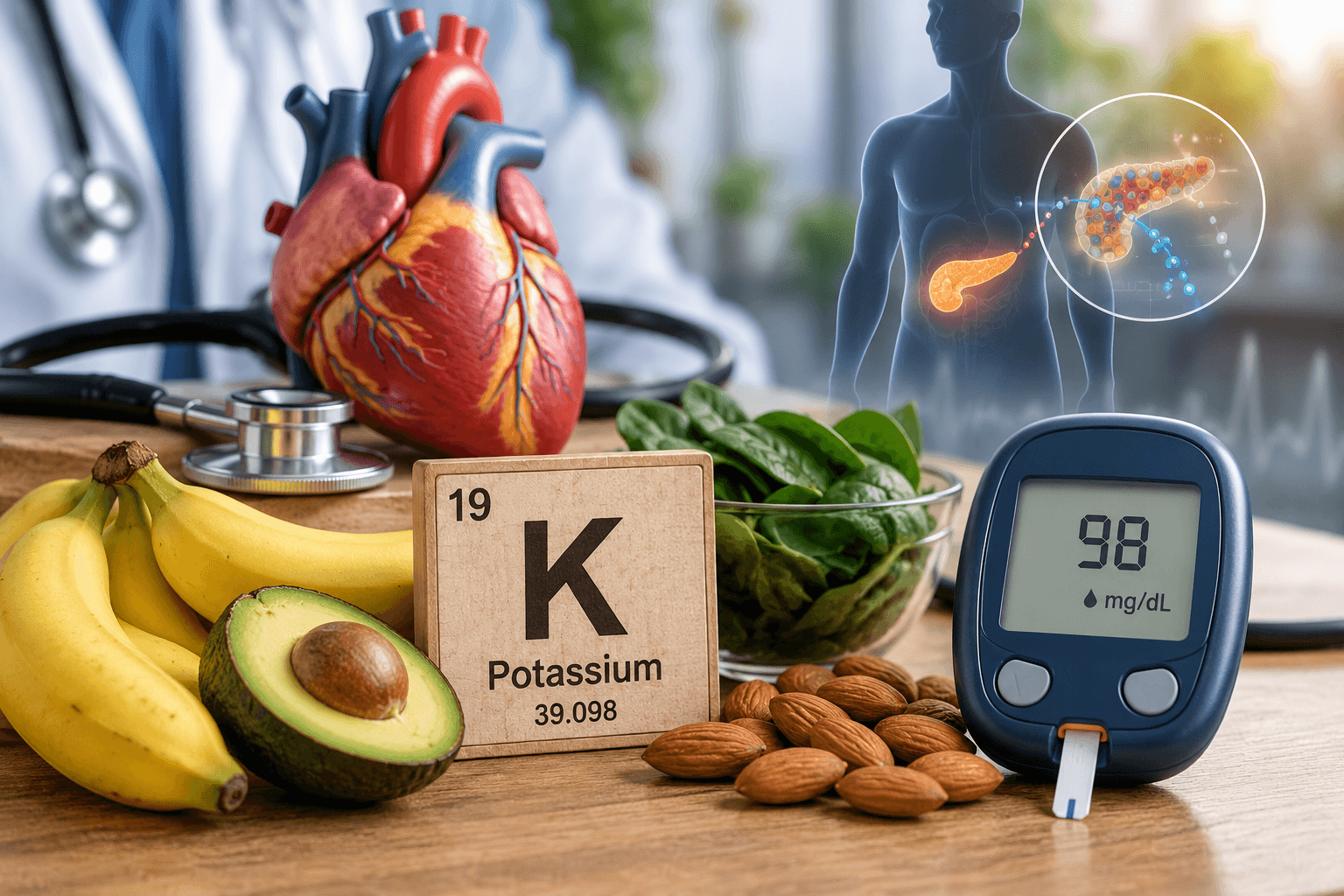
Low potassium is usually viewed through a cardiovascular lens, especially in patients with heart failure. However, emerging evidence suggests clinicians may have another reason to pay attention. New research examining the relationship between hypokalemia and diabetes risk found that lower serum potassium levels were associated with a greater risk of …
Read More »Recent Posts
When “Normal” Blood Sugar Feels Too Low: New Research May Explain Why

When glucose numbers improve, patients are expected to feel better. Yet some people with type 1 diabetes report the opposite. A glucose level that looks reassuring on a continuous glucose monitor may leave them feeling tired, uncomfortable, or simply “off.” New research suggests that glycemic habituation may help explain this …
Read More »SGLT Inhibitors Protect the Heart and Kidneys: Why Is Type 1 Diabetes Still the Exception?
SGLT inhibitors have changed the treatment landscape for cardiovascular and kidney disease, particularly in people with type 2 diabetes, heart failure, and chronic kidney disease. That success raises an obvious question: why are SGLT inhibitors in type 1 diabetes still largely outside routine clinical practice? The answer is not a …
Read More »Beyond Pain Relief: Can Spinal Cord Stimulation Restore Sensation in Diabetic Neuropathy?
For people with painful diabetic neuropathy (PDN), treatment has traditionally focused on controlling burning, stabbing, and shooting pain. However, emerging research on spinal cord stimulation for diabetic neuropathy raises a more intriguing question: Could neuromodulation also improve sensation? Results from the SENZA-PDN clinical trial suggest that some patients receiving high-frequency …
Read More »Could a Simple Blood Test Predict a Heart Event in Type 2 Diabetes?
Could a routine blood sample someday reveal cardiovascular danger that cholesterol, blood pressure, and HbA1c do not fully capture? New research suggests that epigenetic cardiovascular risk prediction could offer a new way to identify people with type 2 diabetes who face a higher short-term risk of major cardiovascular events. Instead …
Read More »GLP-1s and Opioids: The GI Risk Clinicians May Be Missing
GLP-1 receptor agonists have transformed the treatment of type 2 diabetes, but their effects on gastrointestinal motility remain an important clinical consideration. Opioids can also slow gastrointestinal function, raising an obvious question: what happens when patients need both? New research examining GLP-1 and opioid interactions suggests that opioid choice may …
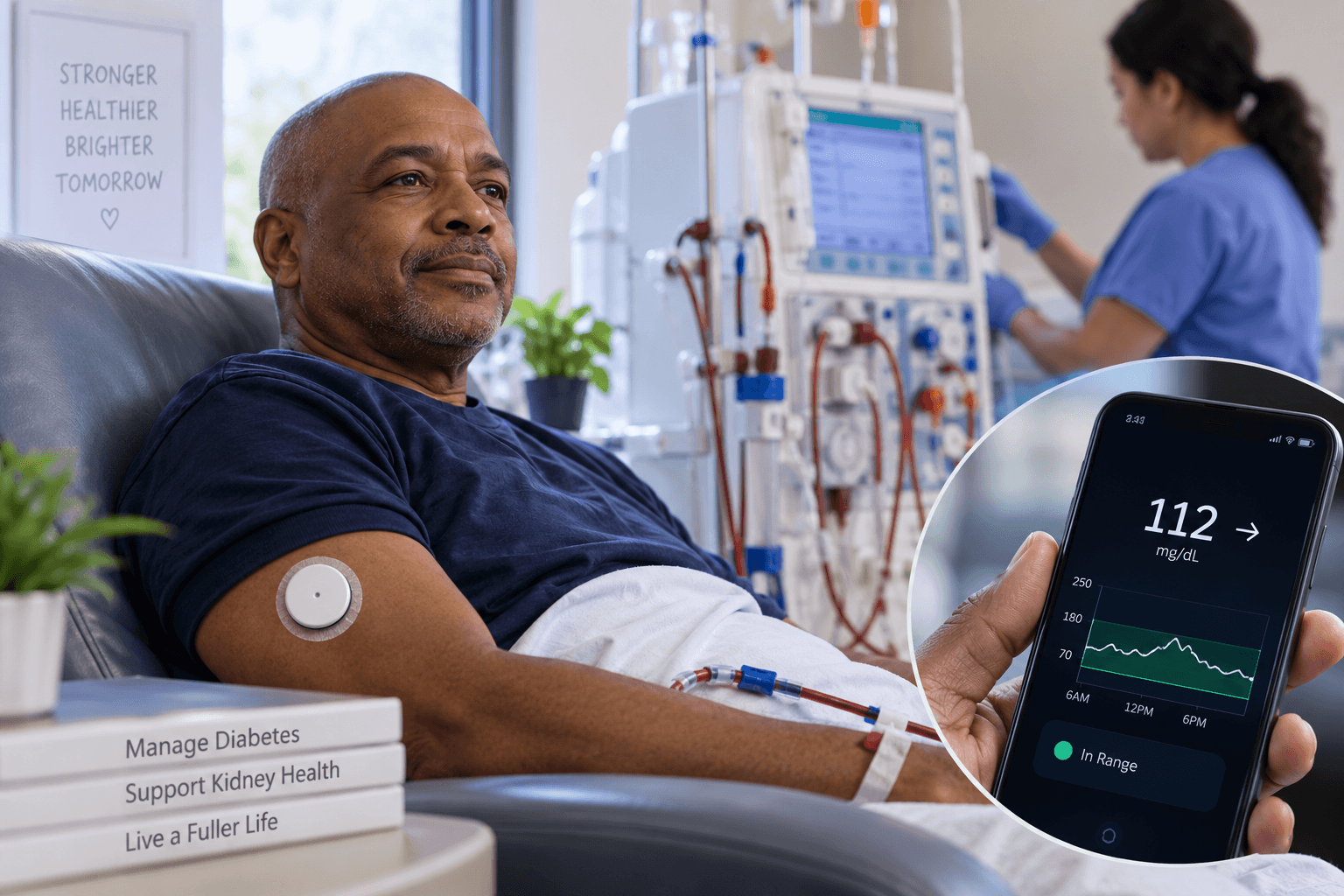
Read More »Dialysis Changes the Rules: What Happens When Patients With Diabetes Use Real-Time CGM?
Managing glucose is rarely simple for people with Type 2 diabetes who receive maintenance hemodialysis. Dialysis can change glucose patterns, insulin needs, and the reliability of familiar measures such as A1C. As a result, clinicians may have an incomplete picture when making treatment decisions. New randomized research on CGM use …
Read More »Three Decades of Better Type 1 Diabetes Care: Have Complications Actually Declined?
Three decades of advances in diabetes care have transformed how people with type 1 diabetes manage glucose. Insulin pumps, continuous glucose monitoring (CGM), improved insulin analogs, automated insulin delivery, and earlier screening have all changed daily treatment. However, have these advances actually reduced the long-term complications of type 1 diabetes? …
Read More »One Diagnosis, Different Diseases? Researchers Uncover Distinct Types of Gestational Diabetes
Gestational diabetes is usually treated as a single diagnosis, but growing evidence suggests the biology behind it can vary considerably from one patient to another. Researchers studying gestational diabetes phenotypes have identified metabolic patterns involving differences in insulin resistance, insulin secretion, or both. These findings raise an important question: Could …
Read More »A1C Has a Blind Spot: Could Glycated Albumin Help Clinicians Act Faster?
A1C is one of the most useful tools in diabetes care, but it has an important limitation: it takes time to reflect change. Could a faster-moving marker help clinicians know sooner whether treatment is working? New randomized research on glycated albumin in diabetes offers an intriguing answer. Glycated albumin reflects …
Read More »Digital Diabetes Coaching: Why an App Alone Isn’t Enough
A diabetes app can track meals, count steps, log glucose, and deliver reminders. However, can an app actually help someone turn all that information into lasting daily habits? A recent randomized controlled trial suggests that digital diabetes coaching, with technology supported by ongoing human guidance, may help bridge that gap. …
Read More »More Dietary Fat, Worse Blood Fats? A Low-Carb Diabetes Trial Challenges the Assumption
Does eating more fat automatically mean that more harmful fatty acids will circulate in the blood? A new randomized trial suggests the answer may be more complicated. Researchers studying a low-carb diet for type 2 diabetes found that six months of carbohydrate restriction changed circulating fatty acids in potentially favorable …
Read More »Beyond Blood Sugar: What Personalized Nutrition May Be Doing to Inflammation
Medical nutrition therapy for diabetes is often discussed in terms of A1C, glucose levels, and weight. However, could personalized nutrition also influence inflammation and other aspects of metabolic health? A recent randomized controlled trial offers an intriguing reason to ask that question. Researchers found that individualized medical nutrition therapy with …
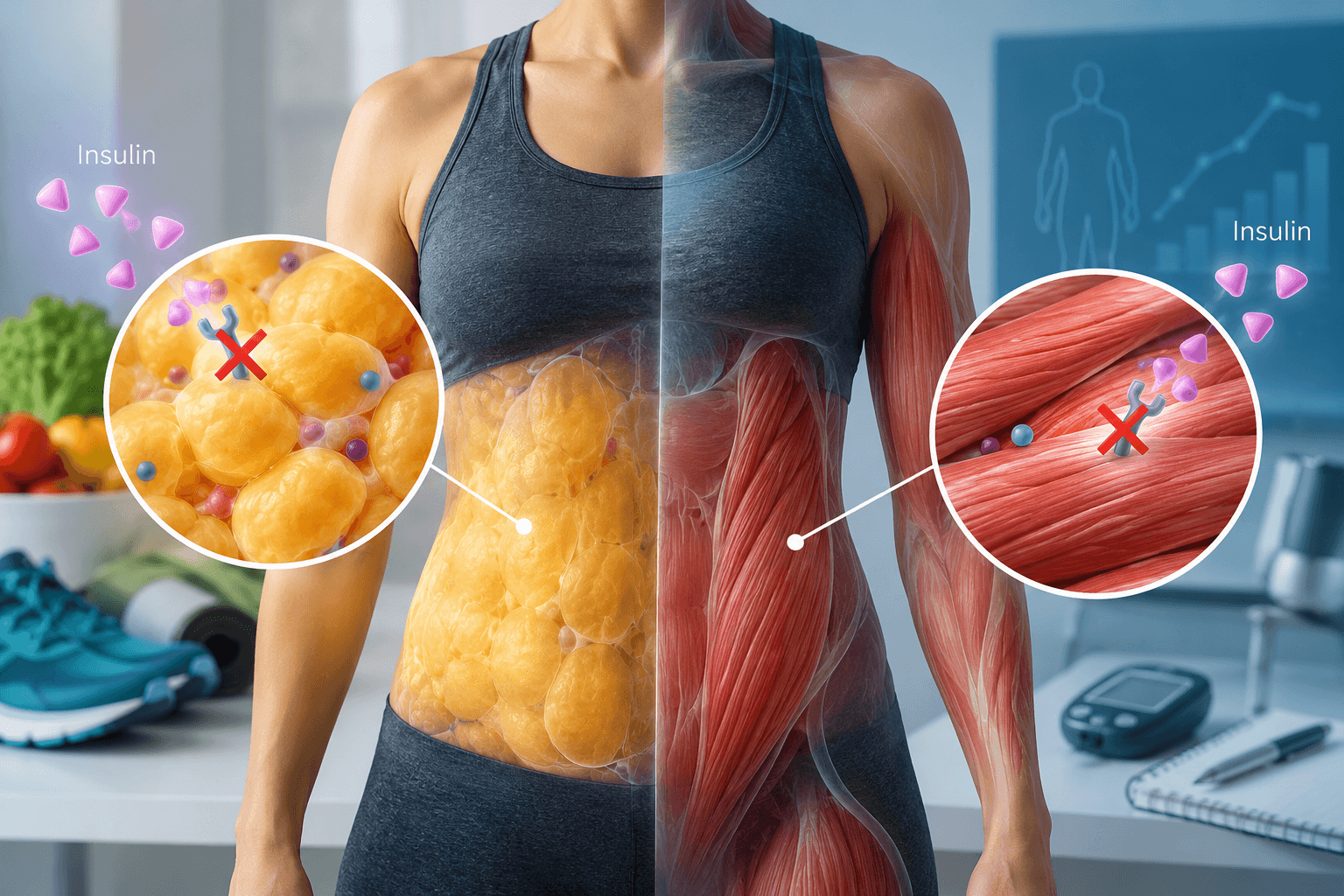
Read More »Not All Insulin Resistance Is the Same: Why Fat and Muscle May Matter Differently
Insulin resistance is often discussed as though it were one metabolic problem affecting the entire body equally. However, emerging research suggests the picture is more complex. Tissue-specific insulin resistance means that fat, muscle, the liver, and other tissues may not respond to insulin in the same way. More importantly, resistance …
Read More »The Diabetes Foot Emergency Patients May Never Feel Coming
Charcot foot in diabetes can begin with a warning sign that seems almost contradictory: a foot that is hot, red, and swollen but causes surprisingly little pain. For people with diabetic peripheral neuropathy, reduced sensation may hide the severity of the problem. As a result, patients may continue walking on …
Read More »Human vs. Analogue Insulin: Does Newer Really Mean Better for Type 1 Diabetes?
The choice of human vs analogue insulin is especially important for people with Type 1 diabetes who live where healthcare resources are limited. Analogue insulins are often preferred because their action can be more predictable and flexible. However, human insulin is generally less expensive and may be easier for health …
Read More »When “Type 2” Isn’t Type 2: Clues to Type 3c Diabetes
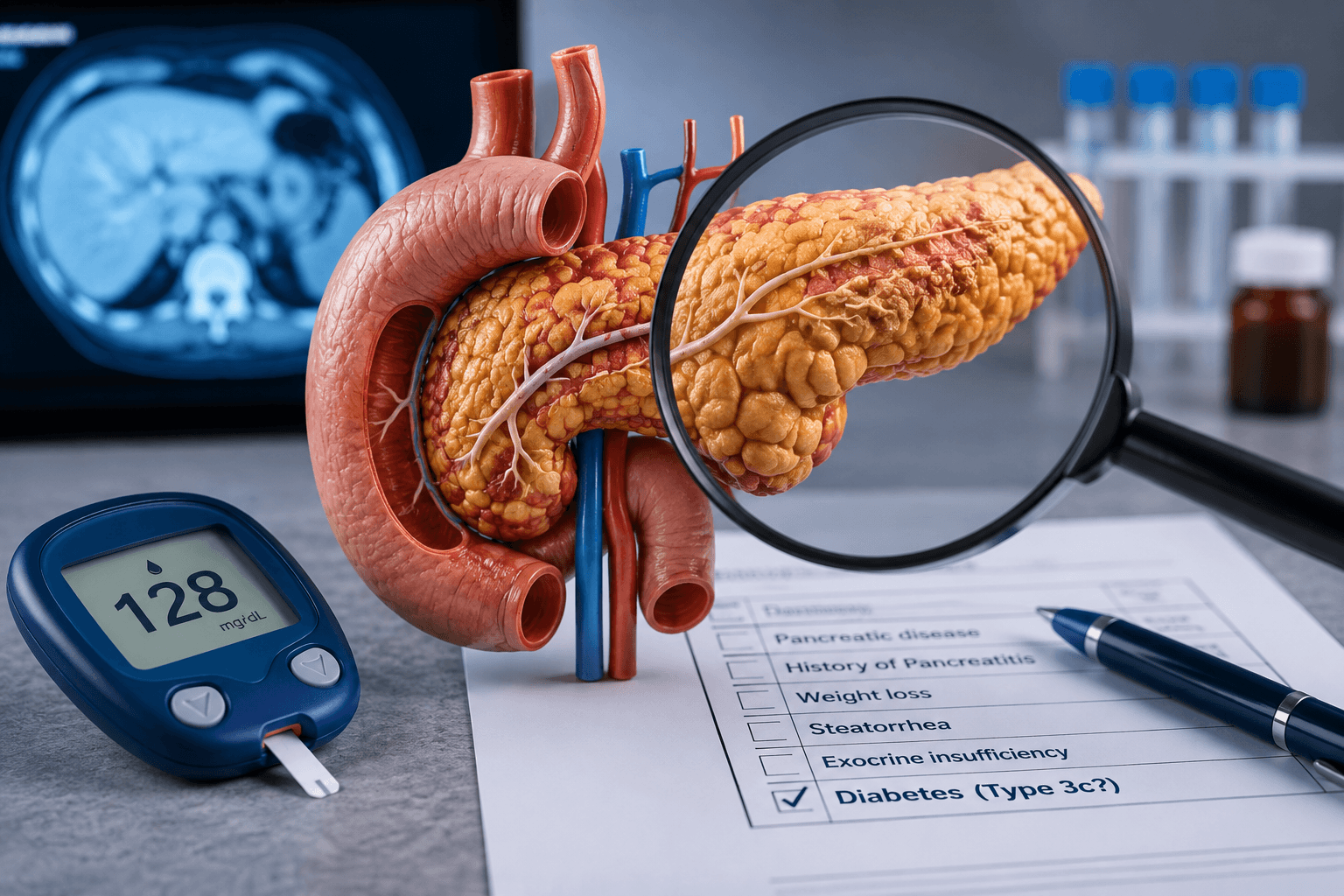
A patient develops diabetes in adulthood, so Type 2 diabetes may seem like the obvious diagnosis. However, what if that patient also has chronic pancreatitis, unexplained weight loss, pancreatic surgery, or symptoms of poor nutrient absorption? Those details can change the clinical picture. Careful evaluation can reveal Type 3c diabetes …
Read More »One Drug Isn’t Enough: When Should Clinicians Combine Treatments for Painful Diabetic Neuropathy?
Finding the right diabetic neuropathy pain treatment can be challenging when a well-chosen first medication provides only partial relief. Burning, shooting pain, tingling, and allodynia can continue to disrupt sleep, mobility, mood, and daily function. Fortunately, clinicians do not always have to choose between abandoning a partially effective drug and …
Read More »Which Diabetes Drug Will Work Best? New Research Puts Precision Prescribing to the Test

Precision diabetes treatment aims to answer a question clinicians and patients face every day: which diabetes drug is most likely to work best for this particular person? A new analysis from the TriMaster crossover trial offers an important clue. Researchers compared several precision-medicine strategies for predicting responses to sitagliptin, canagliflozin, …
Read More »Why Does Eating Less Improve Insulin Sensitivity? Ceramides May Hold Part of the Answer
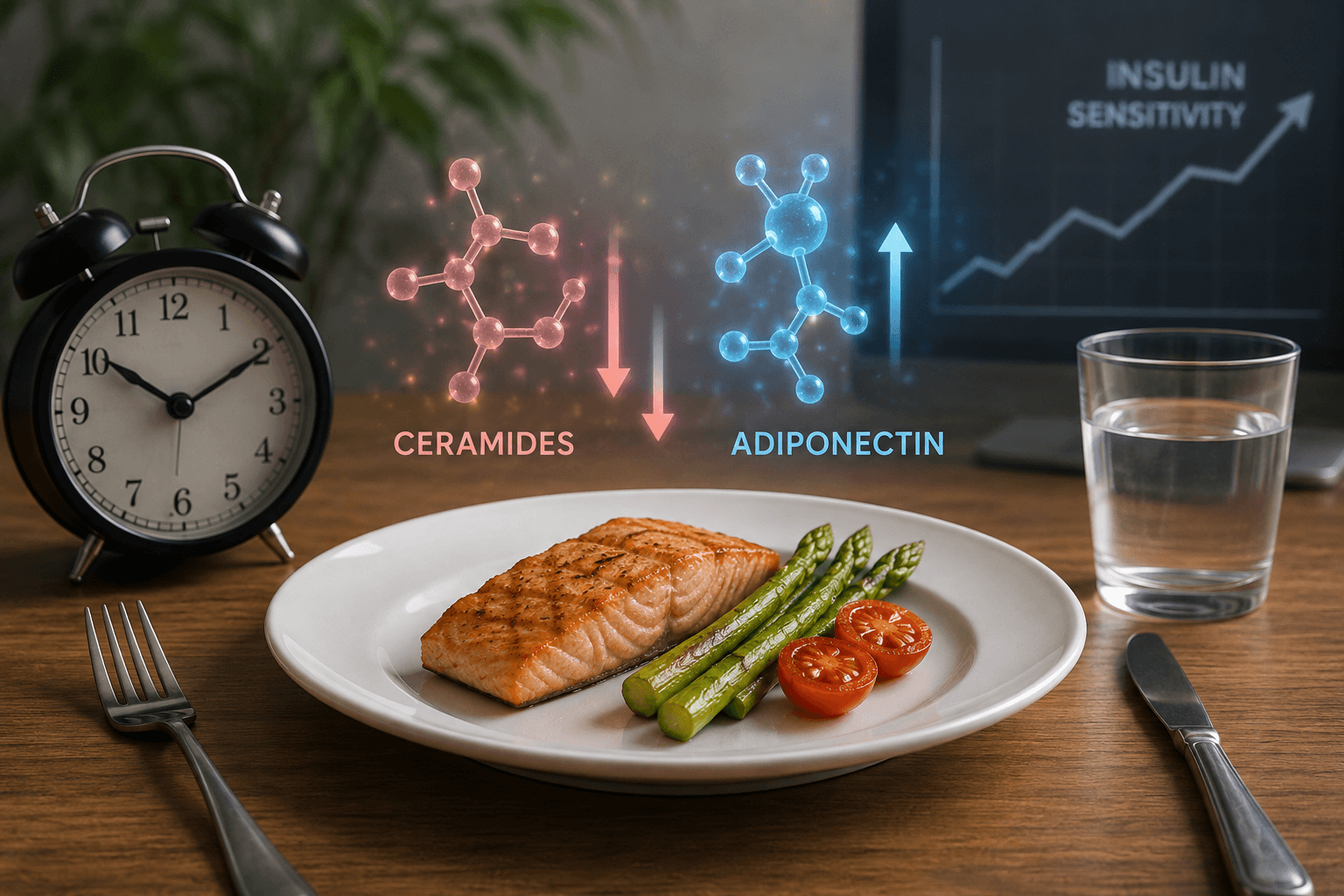
Why does eating less sometimes improve insulin sensitivity beyond what we might expect from weight loss alone? Human research points to an intriguing connection between ceramides, insulin resistance, and adiponectin. Findings from the CALERIE research program suggest that sustained, moderate calorie restriction changes circulating bioactive lipids in ways that may …


Read More »Diagnosed Younger: Does Type 1 Onset Shape Later Risk?
Does being diagnosed with type 1 diabetes at age 6 carry the same long-term risks as being diagnosed at 16? Researchers have been asking that question for years. Increasingly, evidence suggests that age at type 1 diabetes onset may help explain differences in complication patterns later in life. However, age …
Read More »After Gestational Diabetes, Could Your Neighborhood Shape Your Future Type 2 Risk?
Diabetes prevention remains important long after a pregnancy affected by gestational diabetes. For people who have had gestational diabetes, the years after delivery are an important window for lowering the risk of Type 2 diabetes. Yet healthy choices do not happen in a vacuum. Where someone lives may affect whether …
Read More »Beyond A1C: Can CGM Help Prevent Severe Hypoglycemia and DKA?
Continuous glucose monitoring has changed how clinicians and people with diabetes think about glucose control. Yet the next question is more important than whether CGM improves A1C or Time in Range. Can it prevent events that send patients to the emergency department or hospital? Growing evidence suggests that CGM may …
Read More »The Treatment Stopped—Did the Benefit Last? New Baricitinib Data in Type 1 Diabetes
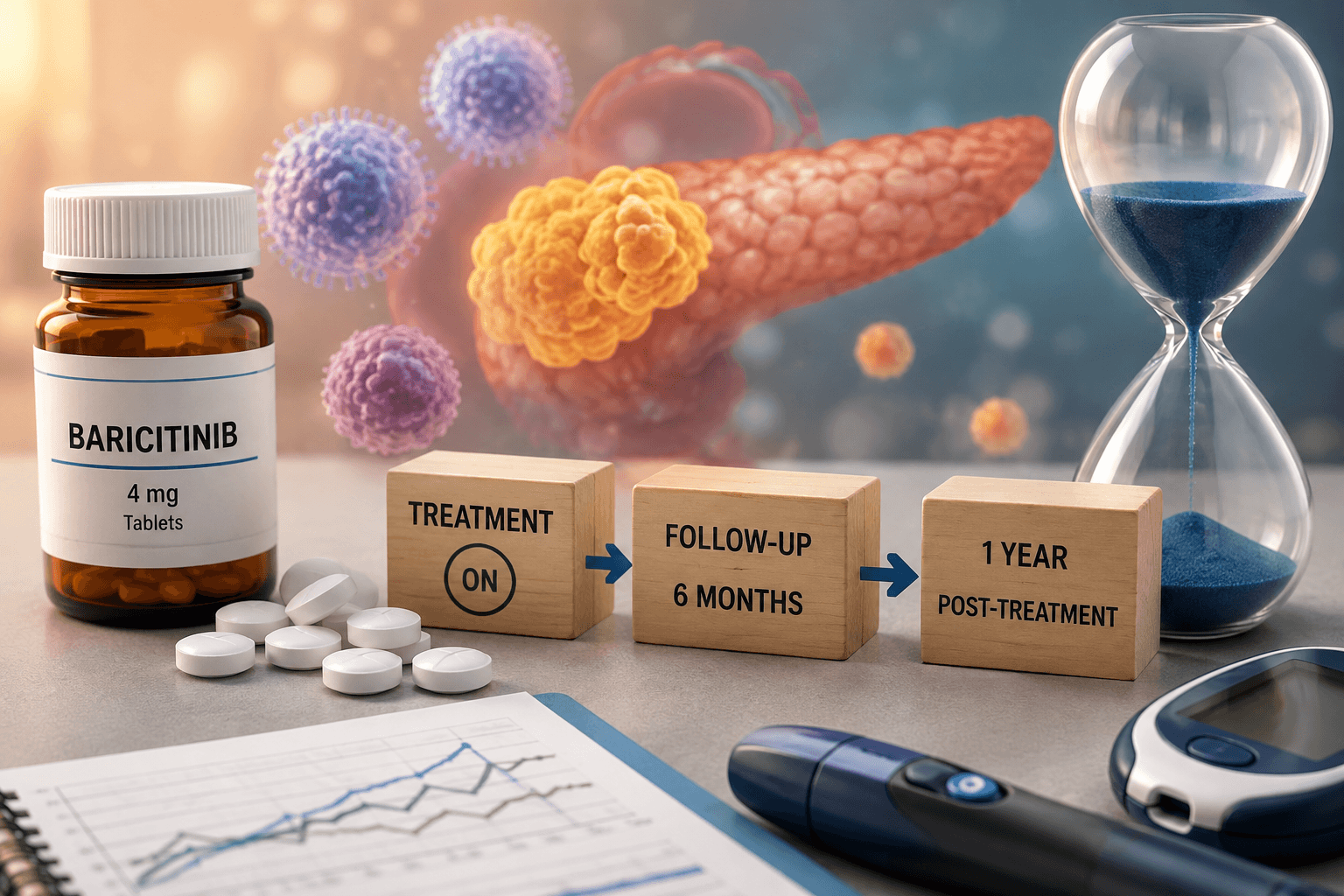
New follow-up research on baricitinib for type 1 diabetes addresses a crucial question: what happens after the drug is stopped? The original BANDIT trial showed that 48 weeks of oral baricitinib helped preserve beta-cell function in people with recently diagnosed type 1 diabetes. However, new follow-up research examines participants through …

Read More »Beyond hs-CRP: Could suPAR Reveal Hidden Heart Risk in Type 2 Diabetes?
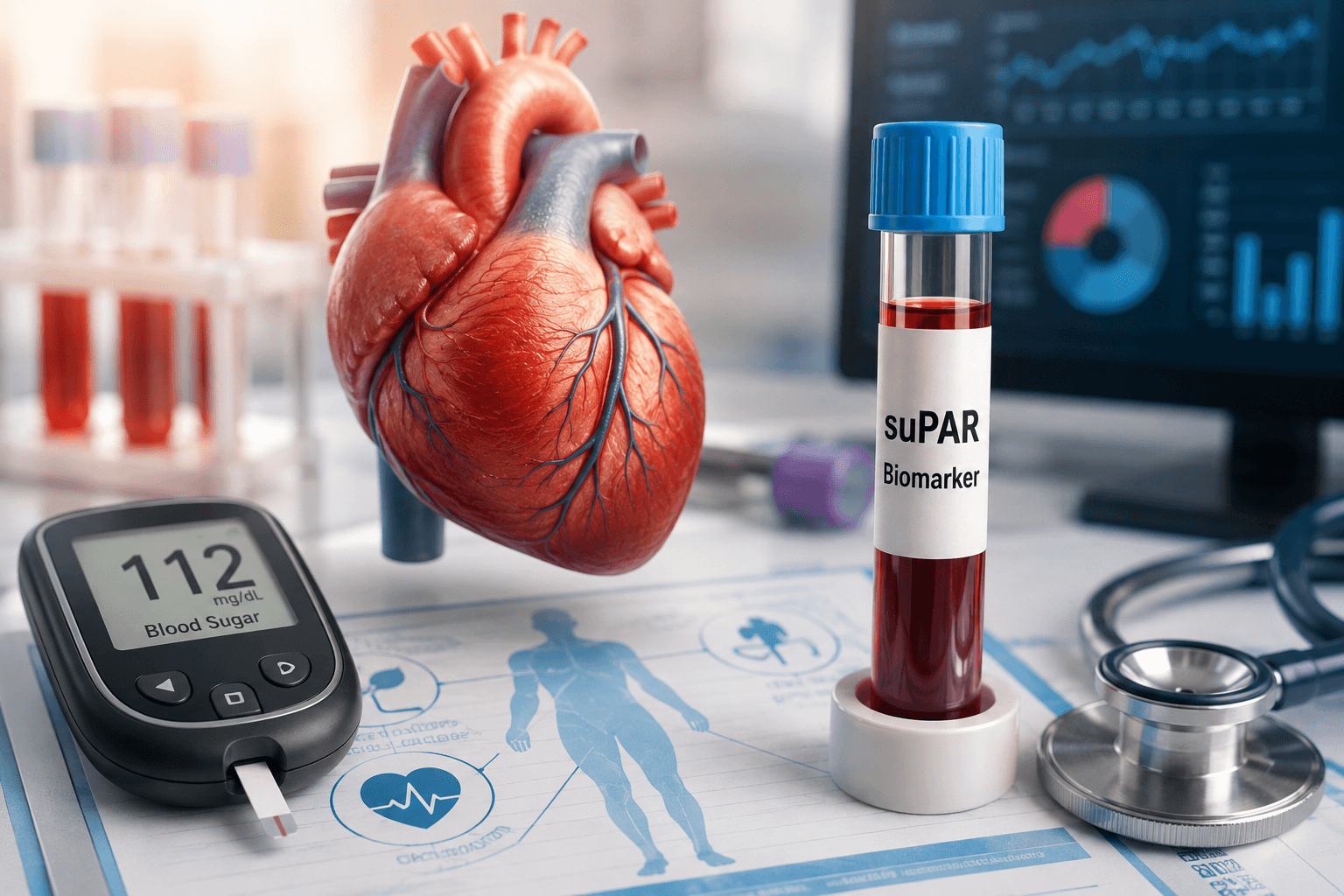
People with type 2 diabetes can face substantial cardiovascular risk even when clinicians address familiar risk factors such as LDL cholesterol, blood pressure, smoking, and blood glucose. Could another blood marker help reveal some of the risk that remains? Emerging research on the suPAR biomarker in diabetes suggests it may …
Read More »Can Weight Loss Delay Type 1 Diabetes? What the Pre-Symptomatic Data Really Show
Efforts to prevent or delay type 1 diabetes have traditionally focused on the autoimmune attack that destroys insulin-producing beta cells. However, emerging research suggests metabolic stress may also influence how quickly vulnerable people progress to clinical disease. A 2026 TrialNet analysis found that autoantibody-positive people with overweight or obesity who …


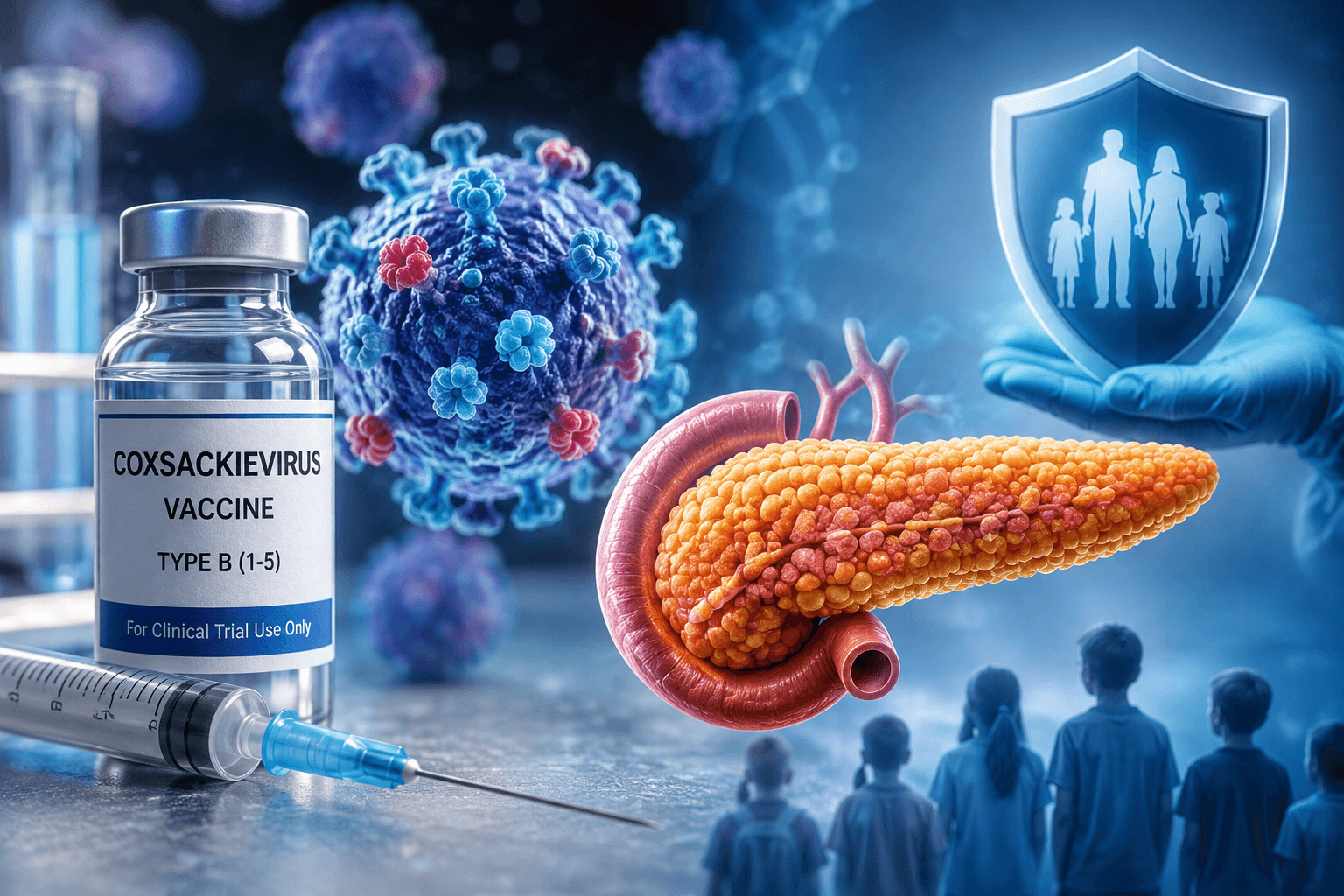
Read More »Could a Virus Vaccine Help Prevent Type 1 Diabetes? Inside the Human Trials
Could preventing a common viral infection also prevent some cases of type 1 diabetes? Researchers have pursued that question for decades, and the first human vaccine studies are providing important clues. The idea of using a Coxsackievirus vaccine to help prevent type 1 diabetes focuses on certain Coxsackie B viruses, …
Read More »A Type 1 Breakthrough: Can We Transplant Islets With Less Toxic Immunosuppression?
Donor islet transplantation has long offered an intriguing possibility for people with severe type 1 diabetes: restore the body’s ability to make insulin instead of only replacing insulin from the outside. However, there has always been a major tradeoff. Patients need powerful immunosuppressive drugs to keep transplanted cells alive, and …
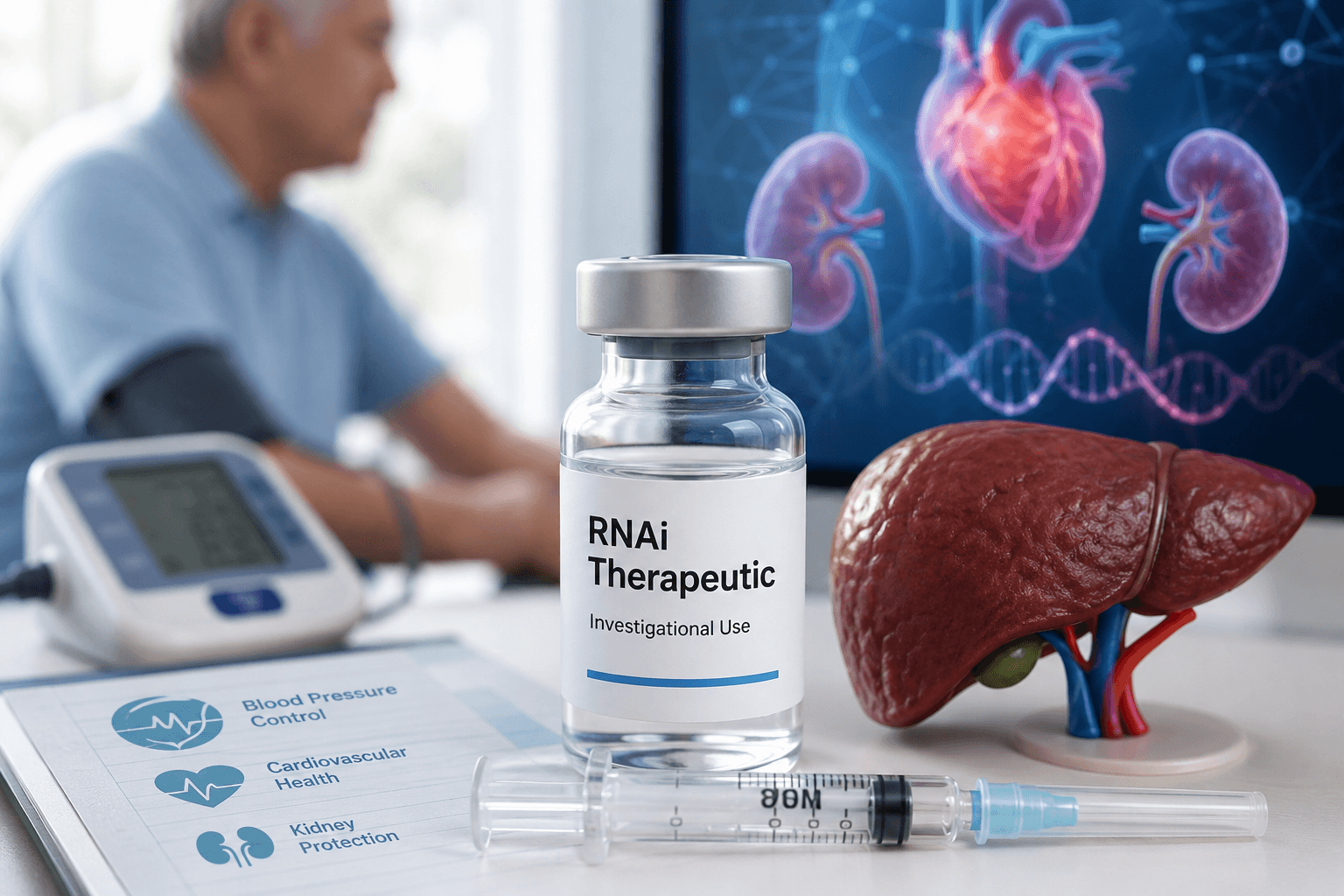
Read More »Two Shots a Year for Hypertension? How RNA Silencing Could Transform Cardiometabolic Care
Poor medication persistence remains one of the hardest barriers to long-term blood pressure control. For people with diabetes, the stakes are especially high because hypertension adds to cardiovascular and kidney risk. Now, research into RNAi for hypertension in people with diabetes is raising an intriguing possibility: could an injection given …
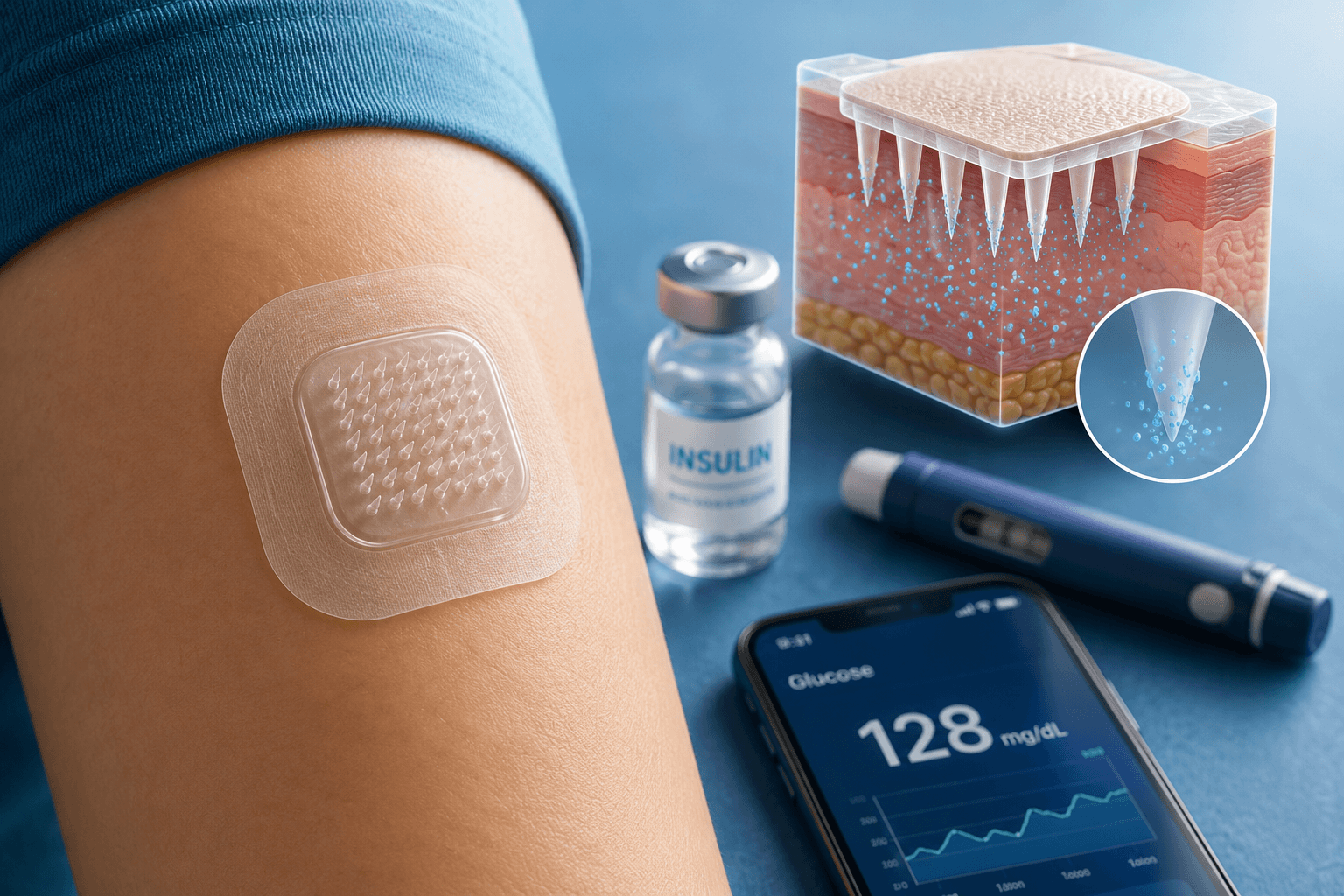
Read More »Could Dissolving Microneedle Patches Make Diabetes Injections a Thing of the Past?
For millions of people who use injectable diabetes medications, treatment can mean living with needles every day. What if a small skin patch could eventually deliver insulin or other therapies with far less discomfort? Researchers studying microneedle patches for diabetes hope to make that possibility practical. These experimental patches use …
Read More »GLP-1s and Vision Loss: What Prescribers Should Know About the Emerging NAION Signal
GLP-1 receptor agonists have transformed type 2 diabetes and obesity treatment, but a rare vision safety signal deserves clinicians’ attention. Emerging evidence has raised concerns about a potential NAION risk with GLP-1 therapy, particularly with semaglutide (Ozempic, Rybelsus, and Wegovy). Non-arteritic anterior ischemic optic neuropathy (NAION) can cause sudden, usually …
Read More »Why Are We Ignoring the Gold Standard for Healing Diabetic Foot Ulcers?
Diabetic foot ulcer offloading is one of the most important parts of treating a neuropathic plantar ulcer, yet the most effective approaches are still not routinely used. Non-removable knee-high devices, including total contact casts and non-removable walkers, can reduce damaging pressure while supporting wound healing. So why does a treatment …
Read More »The Hidden Hyperglycemia Trigger: When Dehydration Makes Blood Sugar Worse
For people with diabetes, an unexpected glucose spike may have a less obvious cause than food or missed medication. Dehydration and high blood sugar can create a self-reinforcing cycle. When the body loses too much fluid, glucose becomes more concentrated in the bloodstream. At the same time, rising glucose can …
Read More »Waking Up With High Blood Sugar? How to Manage the Dawn Phenomenon
You went to bed with your blood sugar in range, skipped the midnight snack, and still woke up high. What happened? For many people with diabetes, natural early-morning hormone changes may be responsible. Understanding the dawn phenomenon can help you recognize this pattern and discuss safe ways to improve morning …
Read More »Forget the Gym? Why 2-Minute Exercise Snacks Could Improve Glucose Control
Finding time for a full workout can be difficult, but what if two minutes of movement still mattered? Emerging research on exercise snacking for diabetes suggests that brief bursts of activity spread throughout the day may reduce post-meal glucose excursions and limit some metabolic effects of prolonged sitting. Instead of …
Read More »Eat Your Carbs Last: Food Sequencing for Better Blood Sugar
Could changing the order of foods on your plate improve blood sugar without changing what you eat? Research on food sequencing for diabetes suggests it may. Eating vegetables, fiber-rich foods, and protein before carbohydrate-rich foods can reduce post-meal glucose rises in some people. Rather than removing rice, bread, pasta, or …
Read More »Normal Blood Sugar, But Still in DKA? The Hidden Danger of Euglycemic Ketoacidosis
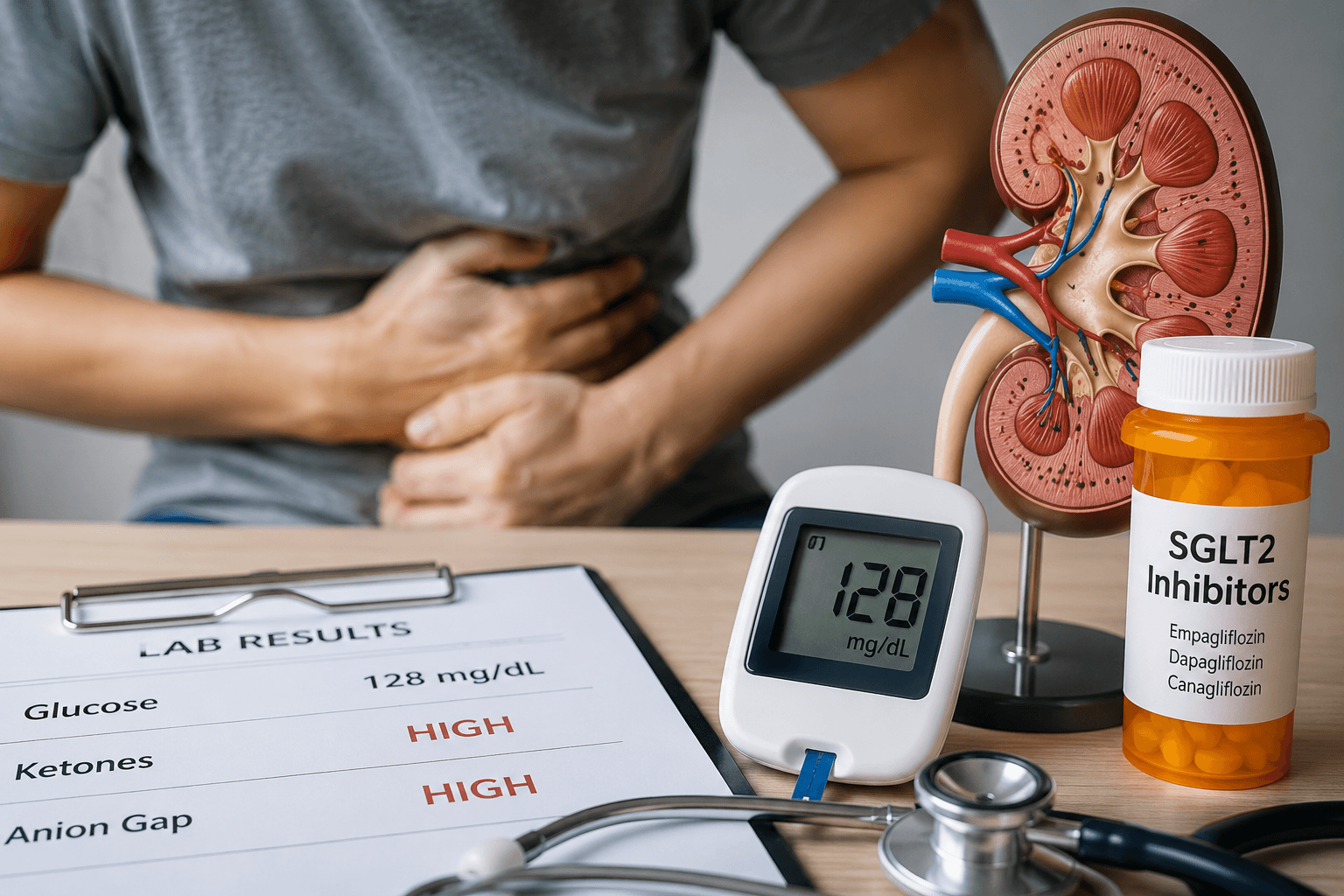
Euglycemic diabetic ketoacidosis can challenge one of the most familiar clinical shortcuts in diabetes care: DKA should come with markedly elevated glucose. In patients taking sodium-glucose cotransporter 2 (SGLT2) inhibitors, however, dangerous ketoacidosis may develop while glucose remains normal or only modestly elevated. As a result, euglycemic DKA in patients …
Read More »When Diabetes Technology Damages the Skin: Keeping Patients on CGMs and Insulin Pumps
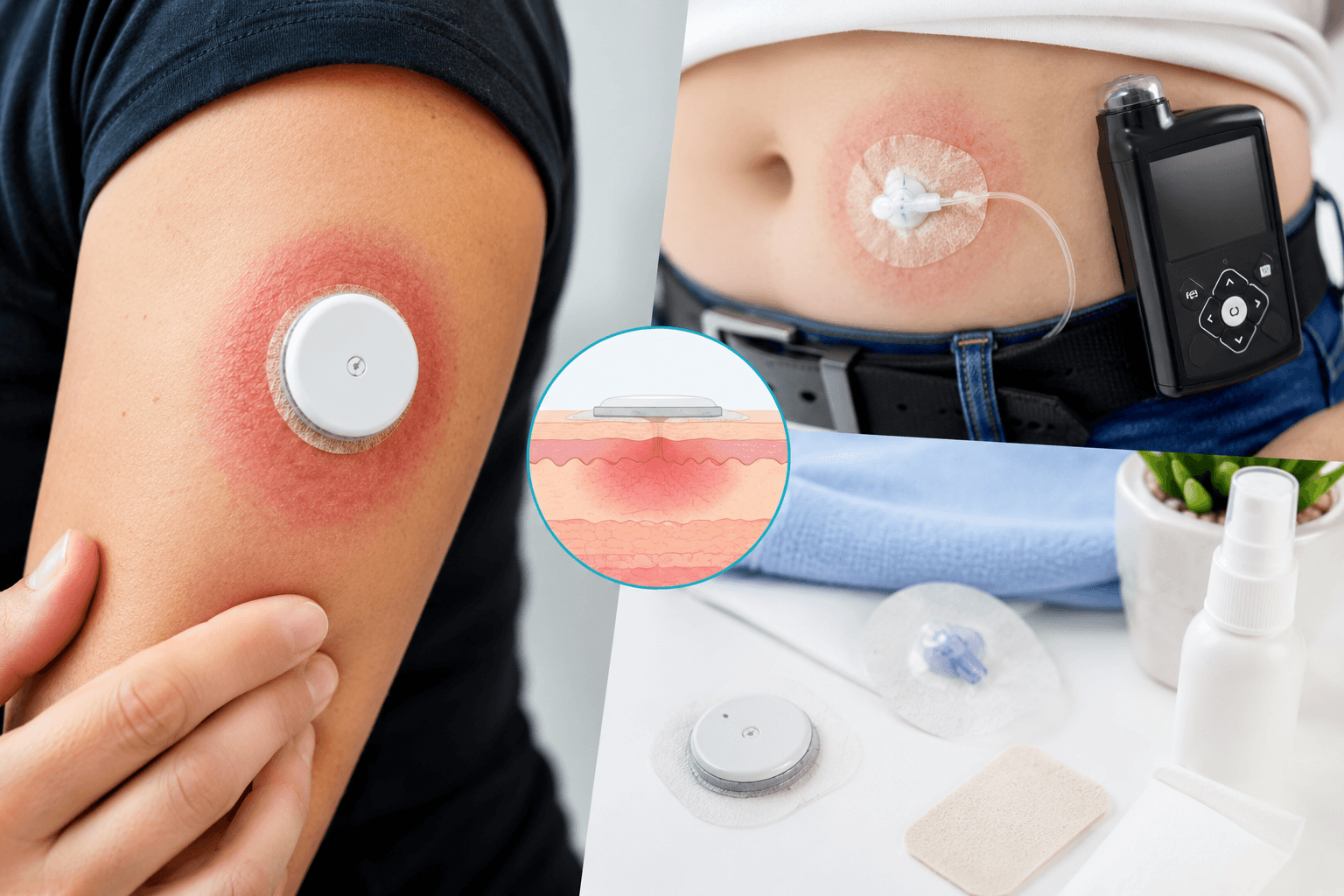
Continuous glucose monitors (CGMs) and insulin pumps can transform diabetes management, but the technology only works when patients can comfortably keep wearing it. CGM skin irritation can turn a valuable device into a daily source of itching, redness, pain, or damaged skin. In some cases, the reaction becomes severe enough …
Read More »Years After Bariatric Surgery, Blood Sugar Can Crash Without Warning. Here’s Why.
Blood glucose may improve dramatically after metabolic or bariatric surgery. Yet, for some patients, a very different glucose problem develops months or years later. Post-bariatric hypoglycemia can cause sudden drops in blood glucose after meals, with symptoms ranging from sweating and tremor to confusion, seizures, or loss of consciousness. Because …
Read More »Your Eye Exam May Be Predicting More Than Vision Loss: AI Is Finding Hidden Diabetes Risks
For people with diabetes, a retinal photograph has traditionally answered one major question: Is diabetic retinopathy developing? However, artificial intelligence is beginning to uncover much more. Emerging retinal AI models for systemic risk assessment can detect patterns associated with cardiovascular disease, kidney disease, blood pressure, and metabolic health. As a …
Read More »It’s Not Just About Sleep: How Circadian Medicine Could Rewrite Diabetes Care
Diabetes care has traditionally focused on what patients eat, how much they exercise, and which medications they use. However, a growing field adds another question: when do these things happen? Research into circadian medicine in diabetes care suggests that the body’s internal clock may influence insulin sensitivity, glucose tolerance, hormone …
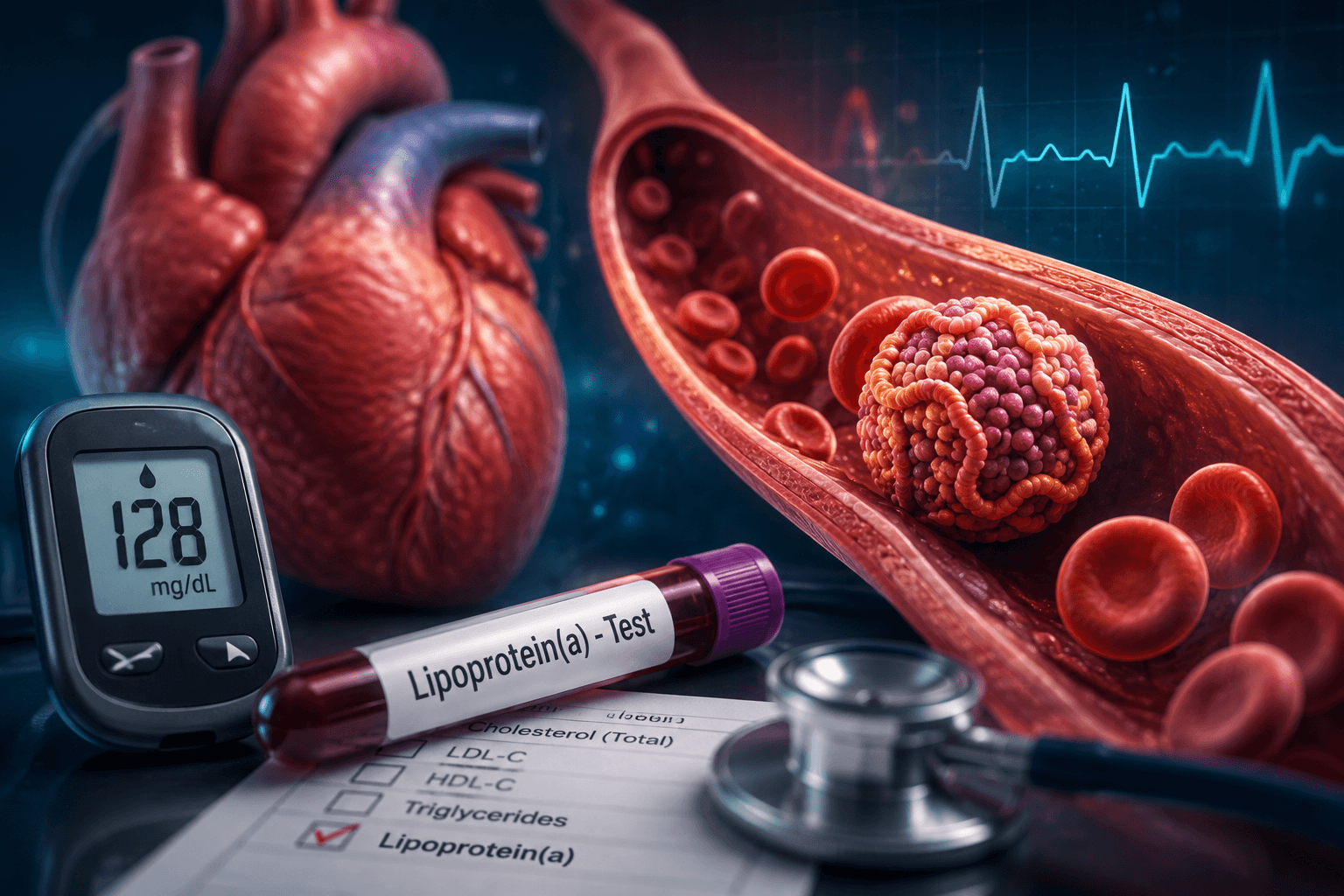
Read More »LDL Is Under Control—So Why Is Heart Risk Still High? Solving the Lipoprotein(a) Puzzle
For many people with diabetes, lowering LDL cholesterol is a major part of preventing heart attack and stroke. Yet an important clinical puzzle remains. Why do some patients experience cardiovascular events even after LDL reaches recommended targets? Growing evidence points toward lipoprotein(a), or Lp(a), as one possible piece of that …
Read More »Your Insulin Pump Is Learning Your Habits: How AI Is Quietly Changing Diabetes Care
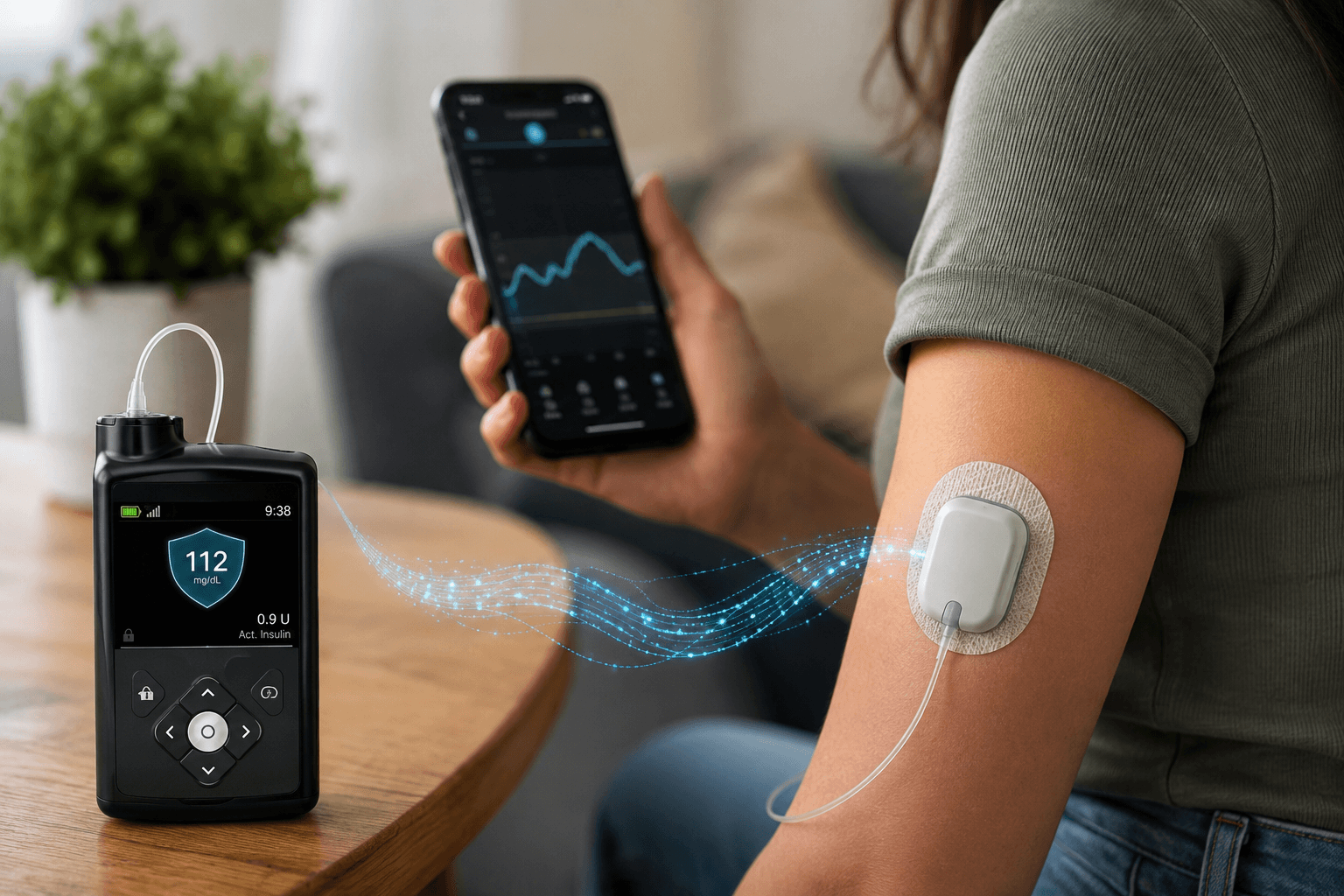
Artificial intelligence is entering diabetes care in a surprisingly quiet way. Rather than appearing as a chatbot or separate decision-support tool, increasingly sophisticated algorithms are being built into automated insulin delivery systems. Adaptive insulin pump hardware can work with continuous glucose monitor (CGM) data, recent insulin delivery, and changing glucose …
Read More »Diabetes Research Is Being Reinvented: Why Today’s Clinical Trials Look Nothing Like a Decade Ago
Modern diabetes clinical trials look very different from the tightly controlled, site-centered studies clinicians relied on a decade ago. Remote visits, continuous glucose monitoring, wearable sensors, digital data collection, and broader enrollment are changing how evidence is generated. Meanwhile, newer trial designs can make studies more flexible and potentially more …
Read More »The Exercise Hormones That Could Become Tomorrow’s Diabetes Drugs
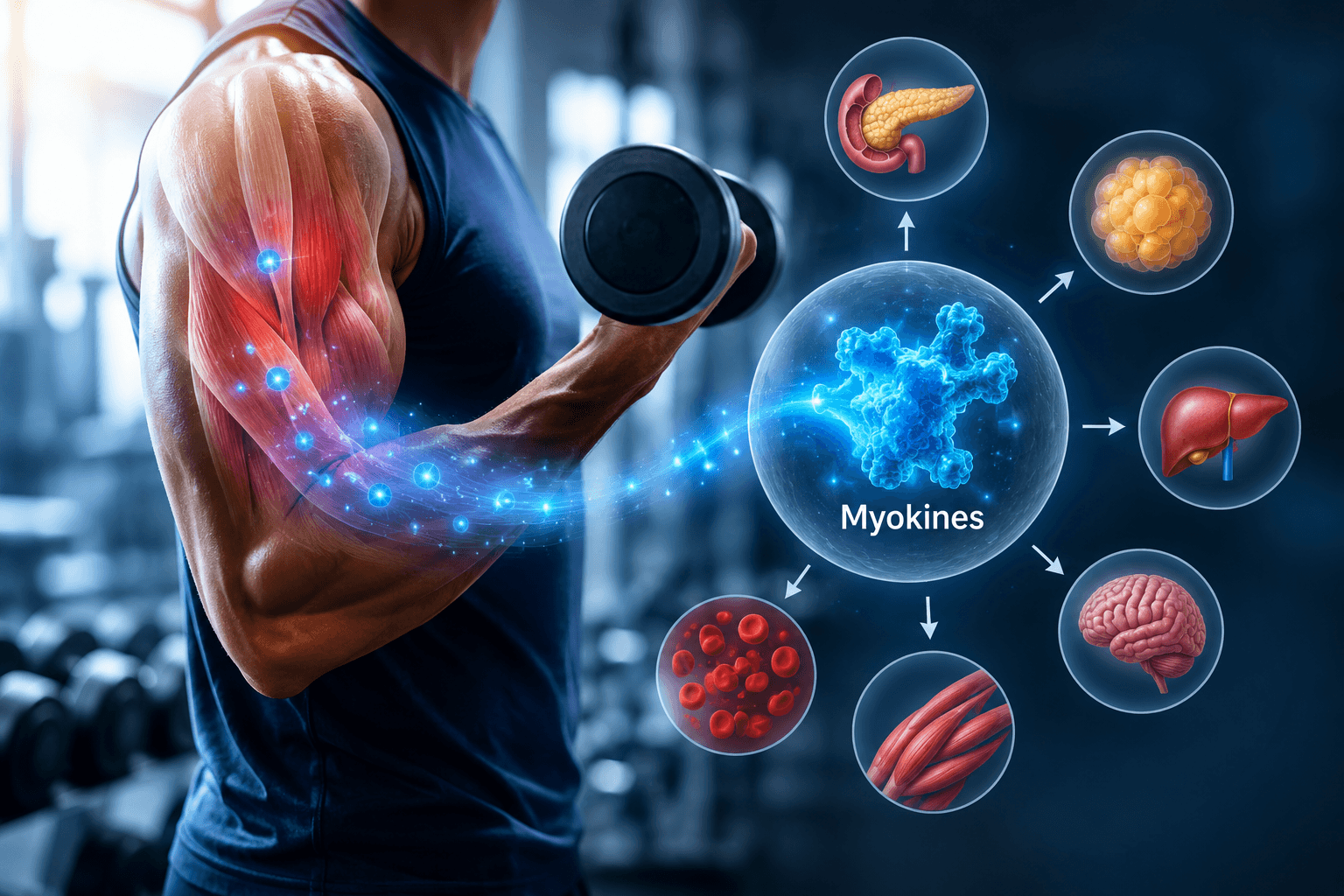
What if scientists could capture some of the metabolic benefits of exercise in a medicine? Research into the connection between myokines and diabetes is bringing that possibility closer to serious scientific discussion. When skeletal muscles contract, they do more than move the body. They release signaling molecules called myokines that …
Read More »Could a Stool Test Predict Your Patient’s Best Diabetes Medication?
Could a stool sample someday help clinicians choose a diabetes medication before writing the prescription? Emerging research into gut biomarkers in diabetes is moving that possibility closer to clinical reality. Rather than simply cataloging which bacteria live in the intestine, researchers are examining microbial genes, stool-derived metabolites, and functional signatures …
Read More »Can AI and Digital Pathology Detect Diabetic Kidney Disease Earlier?
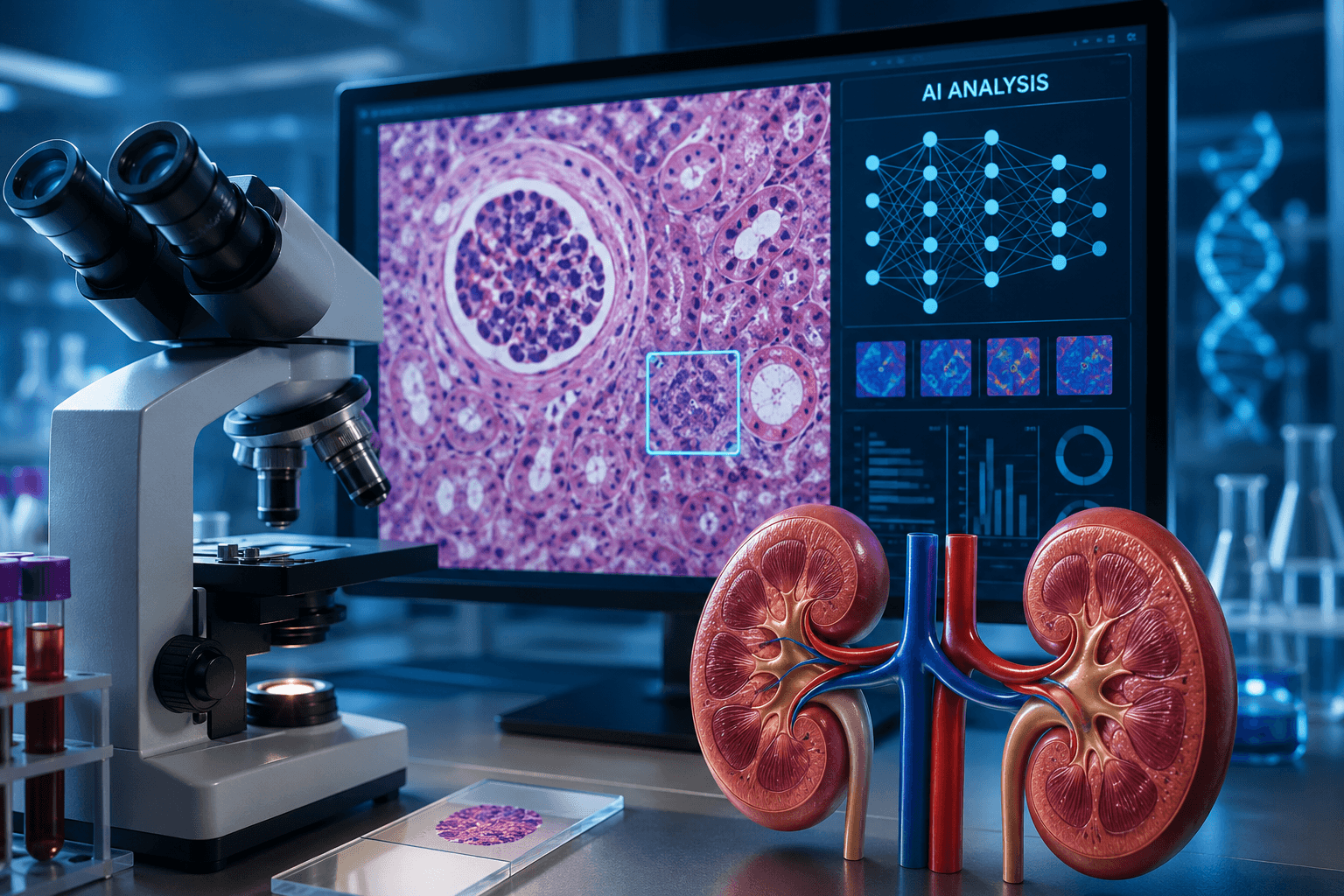
Artificial intelligence is rapidly changing how healthcare professionals diagnose disease. But can computers identify kidney damage before it becomes obvious under a microscope? Researchers believe the answer may be yes. The combination of digital pathology, artificial intelligence, and diabetic kidney disease research is opening new opportunities to identify microscopic kidney …
Read More »The Return of Aldose Reductase Inhibitors: Could an Old Idea Finally Pay Off?
Diabetes care has advanced dramatically over the past decade. While therapies such as GLP-1 receptor agonists and SGLT2 inhibitors have transformed glucose management and cardiovascular outcomes, many patients continue to develop long-term complications. Could an older therapeutic target finally provide the missing piece? Interest in aldose reductase inhibitors for diabetes …
Read More »Can Turning Body Fat Into a Metabolic Powerhouse Change Diabetes Treatment?
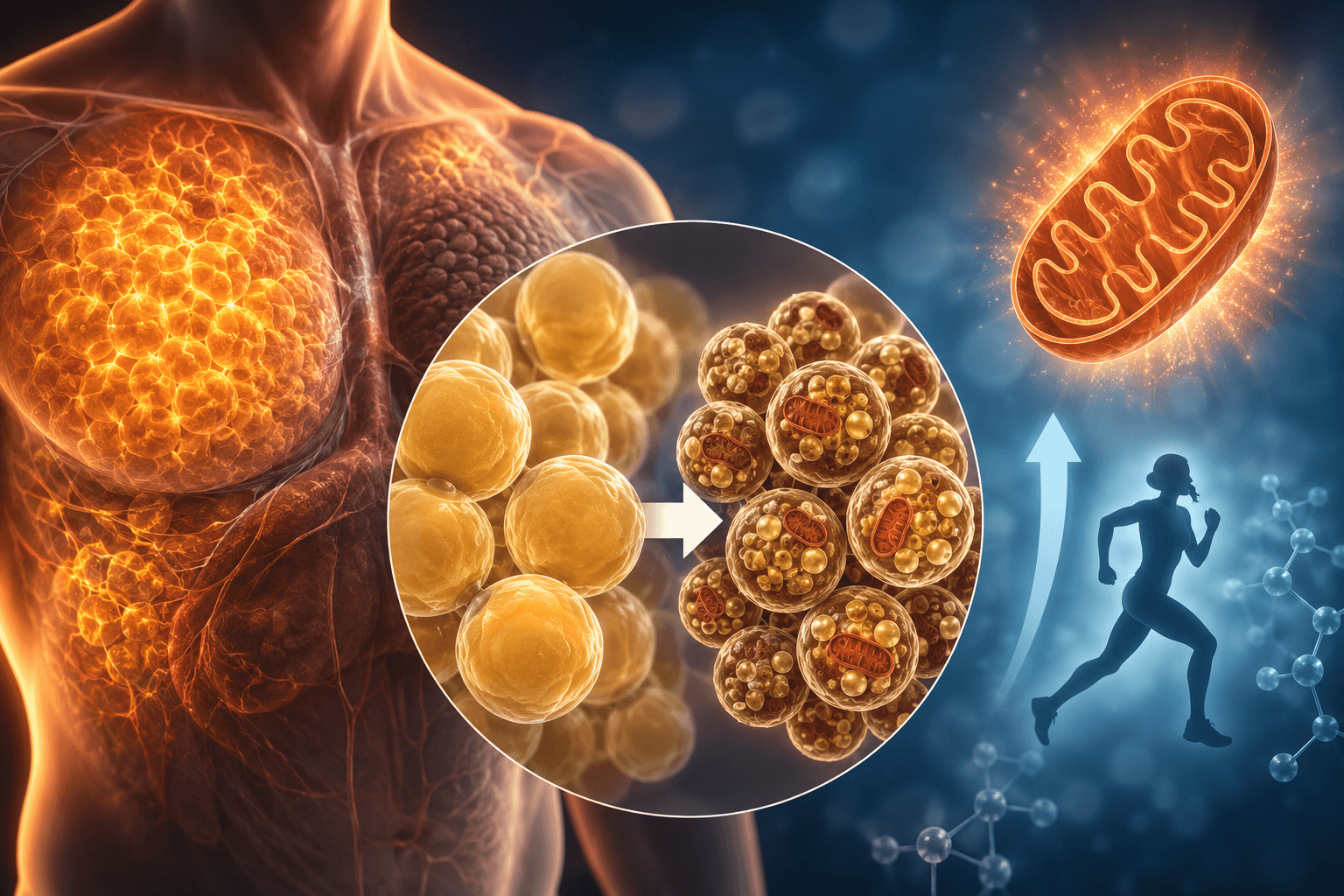
For decades, diabetes research has focused on protecting insulin-producing beta cells or replacing those that have been lost. However, scientists are now exploring a completely different strategy. Instead of repairing the pancreas, researchers are investigating whether the body’s own fat can become a powerful tool for improving glucose control. This …
Read More »Could Tiny RNA Molecules Transform the Future of Diabetes Care?
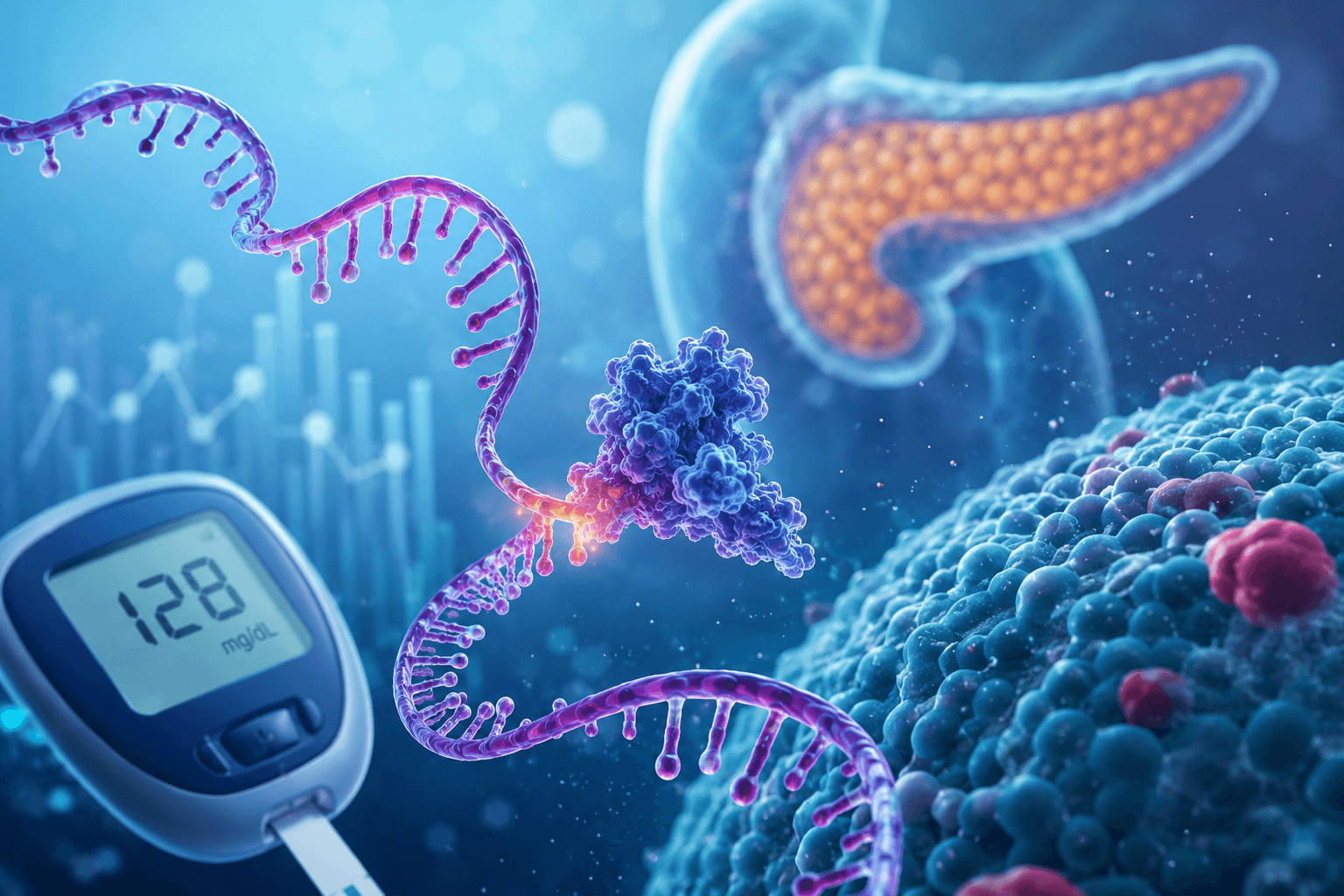
Diabetes research is moving beyond blood sugar measurements and insulin therapy into an exciting new frontier. One of the most promising areas involves microRNAs, tiny RNA molecules that quietly regulate hundreds of genes throughout the body. Although they are microscopic, their influence on insulin production, inflammation, and blood vessel health …
Read More »
Diabetes In Control. A free weekly diabetes newsletter for Medical Professionals. News and information for Medical Professionals.