 Diabetes In Control. A free weekly diabetes newsletter for Medical Professionals. News and information for Medical Professionals.
Researchers compared glucose and hormonal responses to a liquid meal test in 20 obese participants with T2 who underwent RYGB or nonsurgical intensive lifestyle modification… Rapid glycemic improvements following Roux-en-Y gastric bypass (RYGB) are frequently attributed to the enhanced GLP-1 response, but causality remains unclear. To determine the role of …
Read More »Practical Diabetes Care, 3rd Ed., Excerpt #6: Type 2 Diabetes: General Introduction

David Levy, MD, FRCP Introduction: Type 2 Diabetes as a Progressive Condition Glycemia in type 2 diabetes progressively deteriorates with time, usually thought to be related to progressive beta-cell failure. This was demonstrated dramatically in the United Kingdom Prospective Diabetes Study (UKPDS 1998), but the glycemic trends have been less marked …
Read More »Diabetes Screening at the Dentist
Dental visits may allow for diabetes screening and monitoring glucose control in at-risk patients… A new study suggests that using gingival crevicular blood, collected during dental visits, for HbA1c testing produced values that were nearly identical to those obtained using finger stick blood. Correlation was 0.991 between the HbA1c values …
Read More »Practical Diabetes Care, 3rd Ed., Excerpt #3: Management of Inpatient Diabetes Part 2 of 2

David Levy, MD, FRCP Patients in the Intensive Care Unit Hyperglycemia, whether associated with known diabetes or not, carries a poor prognosis in critically ill patients through multiple mechanisms, including vascular disease, polyneuropathy, an increased tendency to infection, dyslipidemia, and abnormal anti-inflammatory and coagulation responses. Consistent near-normoglycemia has therefore been a …
Read More »Bariatric Surgery for Diabetics May Not Be Worth The Risk
Life expectancy may be reduced after bariatric surgery for patients with a BMI more than 62 kg/m2 … Super obese patients with diabetes may not get the same benefits from bariatric surgery as those who with BMIs less than 62, according to published research. “For most patients with diabetes and …
Read More »Type 2 Diabetes Remission Very Rare in Non-Bariatric Surgery Patients
American researchers looked at data on over 120,000 type 2 patients to find out what rates of remission were…. Previous studies have shown that bariatric surgery can result in long-term weight loss, improvement in cardiovascular risk factors, and a reduction in mortality rate of 15% from baseline. However, in a …
Read More »New Guideline Released on Pharmacological Management of Obesity

The Endocrine Society has released a clinical practice guideline on the pharmacological management of obesity that includes recommendations on strategies for prescribing weight loss drugs.
Read More »Significant Weight Loss and Drop in A1c with New Combo of Lorcaserin and Phentermine
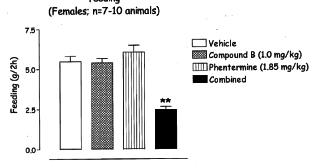
A new combination of two FDA-approved drugs has shown a remarkable 8.7% average weight loss and a reduction of 1 point for A1c in just 12 weeks…
Read More »Dr. Timothy Garvey on Qsymia and Other New Therapies for Weight Loss
Steve Freed: Let’s start out with a little background about Qsymia and Belviq. What is the FDA allowing you to treat with the drugs? Dr. Timothy Garvey: In 2012, the FDA approved two new weight loss medications. In 2014, another medication was approved. That is three new medications. We hope …
Read More »Handbook of Diabetes, 4th Ed., Excerpt #25: Specific Circumstances that Affect Diabetes Control

Rudy Bilous, MD, FRCP Richard Donnelly, MD, PHD, FRCP, FRACP Exercise Regular physical exercise is an important component of the management and prevention of type 2 diabetes (Figure 26.1). Aerobic exercise, in particular, and resistance exercise improve insulin sensitivity and glycemic control. Blood glucose and lipid profiles improve, as well as insulin …
Read More »