 Diabetes In Control. A free weekly diabetes newsletter for Medical Professionals. News and information for Medical Professionals.
When traveling, “nearby” may mean closer than you think. A patient of mine, 35 years of age, with type 1 diabetes, boarded a plane. As recommended, she took her supplies, food, and treatment for a low with her in her carry-on bag. She had a window seat. She did not …
Read More »Tight Blood Glucose Control and Cardiovascular Disease
How low should we go? A new study is a 10-year follow-up to the Veterans Affairs Diabetes Trial in which 1,791 type 2 diabetics over the age of 60 were enrolled. The veterans were randomly placed in either the “standard” therapy group that had a higher HbA1c goal or the …
Read More »Patient’s Plan to “Stop All of My Medicine” Not a Good Idea…
The patient, a woman, 52 years of age, has type 2 diabetes and is on metformin, a GLP-1 agonist, and a long-acting insulin. Over the past few months, I’ve received calls and emails from her every now and then to let me know her glucose levels were rising, but whenever …
Read More »Asking the Question: “Are You Wearing Your CPAP?”
A male patient, 56 years of age, with type 2 diabetes, hypertension, congestive heart failure, and sleep apnea visited. We hadn’t seen him for 6 months. His blood pressure was up, in the 140-160/90–102 range, glucose levels were higher than his targets, he was gaining weight, and continually complaining of …
Read More »Include Caretakers in Diabetes Patients’ Plans to Lower A1c
A married male patient, 68 years of age, has been prescribed long-acting insulin twice a day because once-daily does not work 24 hours for him, and his dose is large. Therefore breaking it into two smaller injections helps bring down his glucose, but only when he remembers to take his …
Read More »More Breakfast Protein Can Prevent Type 2 Spikes in Glucose
University of Missouri researchers find eating breakfast increases release of insulin after lunch… Individuals with type 2 diabetes have difficulty regulating their glucose — or blood sugar — levels, particularly after meals. This research can help in preventing the spikes. According to Jill Kanaley, professor and associate chair in the …
Read More »Glucose Sensing Contact Lens
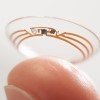
Google gets the patent on a system that would likely contain a couple of parts: the contact lens, which would sense glucose levels; a "reader" device, which would communicate and power the contact lens; and a user display, where the reader and user display could be on the same …
Read More »Preparation for Unexpected Events Should Include Finances
It was a beautiful day. A patient of mine who has type 1 and her friends who do not have diabetes decided at the last minute to go out and enjoy it. They walked and walked, ate out for lunch, and walked and walked some more. She walked a lot …
Read More »Beta Cell Function and Glucose Tolerance in Nondiabetic Patients with Kidney Dysfunction
The results of insulin release and glucose tolerance across a sample with declining kidney function… Insulin resistance is not uncommon to see when looking at patients with declining kidney function or chronic kidney disease (CKD). Insulin resistance progressively worsens with respect to kidney function decline. Although insulin resistance and chronic …
Read More »Helping Your Patients Choose Alternate Testing Sites Wisely
About one and a half years ago I was evaluating the educational needs of a mid-30’s, female, hospital in-patient with diabetes mellitus type 2 (DM2). She and her husband both had DM2. Both were slender, active, did carb counting and followed all the prescribed recommendations of living successfully with diabetes. …
Read More »