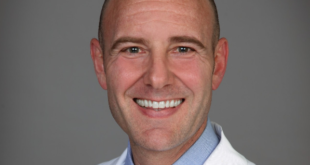
In part 7 of this Exclusive Interview, Scott Isaacs talks with Diabetes in Control Medical Editor Joy Pape about his recommendations to medical professionals looking to use meal replacements as a method to help their patients who have excess weight or obesity.
Read More »Scott Isaacs Part 8, Meal Replacement with Type 1 vs Type 2 Diabetes
In part 8, the conclusion of this Exclusive Interview, Scott Isaacs talks with Diabetes in Control Medical Editor Joy Pape about the big differences with using meal replacements to help people with type 1 versus people with type 2.
Read More »Reduced Physical Activity in Adults with Prediabetes Puts Them at Risk, Study Finds
Two weeks of inactivity found to cause impaired glycemic control; may progress patients to type 2 diabetes
Read More »Gestational Diabetes in Mothers May Have Long-Term Consequences for Offspring
Newborns at increased risk for vascular complications, such as hypertension and cardiovascular disease.
Read More »Men and Women Have Different Responses to Rapid Weight Loss
Study reveals men and woman with pre-diabetes respond differently to low energy diets and rapid weight loss.
Read More »Gut Proteins May Indicate Higher Risk of Progression to Type 1 Diabetes
A new study finds that proteins found in the gut can distinguish patients with type 1 diabetes and islet autoimmunity from healthy individuals.
Read More »Young Patients With Type 1 Diabetes Have 4x Higher Risk of Early Death
Patients diagnosed before 10 years of age show increased risk of mortality and cardiovascular disease than those diagnosed at an older age.
Read More »ADA Stresses Differences in Care Between Pediatrics and Adults with Type 1 Diabetes
Care plans recommended for children with type 1 diabetes and their caretakers in order to best suit their changing needs.
Read More »Diabetes and/or Obesity: Whose Fault Is It?
Many people who have diabetes, especially type 2 diabetes, tell me they have no one to talk with about their diabetes. Why, with all the education and tools we have, do people who have diabetes still feel this way? My patients who have excess weight or obesity tell me the same thing. We may not have as much clinical information on that as we do diabetes as of yet, but the patients tell me the same thing.
Read More »George Bray 2018 Complete Interview
George A. Bray, M.D., MACP, MACE is a Boyd Professor Emeritus at the Pennington Biomedical Research Center of Louisiana State University in Baton Rouge, Louisiana, and Professor of Medicine Emeritus at the Louisiana State University Medical Center in New Orleans. After graduating from Brown University summa cum laude in 1953, Bray entered Harvard Medical School graduating magna cum laude in 1957. His post-doctoral training included an internship at The Johns Hopkins Hospital, Baltimore, MD, a fellowship at the NIH, residency at the Strong-Memorial Hospital, University of Rochester, a fellowship at the National Institute for Medical Research in London and at the Tufts-New England Medical Center in Boston. In 1970, he became Director of the Clinical Research Center at the Harbor UCLA Medical Center, and organized of the First Fogarty International Center Conference on Obesity at NIH in 1973. Bray also Chaired the Second International Congress on Obesity in Washington DC in 1977. In 1989 he became the first Executive Director of the Pennington Biomedical Research Center in Baton Rouge, a post he held until 1999. He is a Master of the American College of Physicians, Master of the American College of Endocrinology and Master of the American Board of Obesity Medicine. Bray founded the North American Association for the Study of Obesity in 1982 (now The Obesity Society), and he was the founding editor of its journal, Obesity Research, as well as co-founder of the International Journal of Obesity and the first editor of Endocrine Practice, the official journal of the American College of Endocrinologists.
Read More »
Diabetes In Control. A free weekly diabetes newsletter for Medical Professionals. News and information for Medical Professionals.