 Diabetes In Control. A free weekly diabetes newsletter for Medical Professionals. News and information for Medical Professionals.
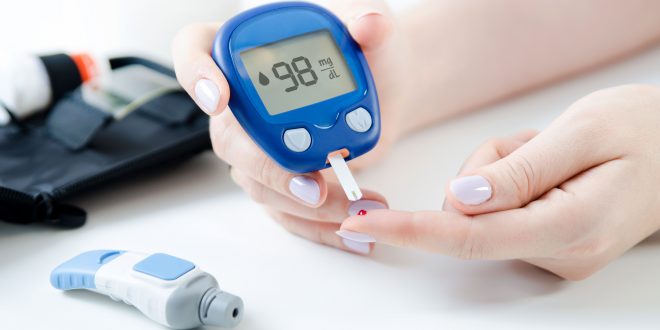
According to research presented by Dr. Elena Toschi from Harvard Medical School, a more significant difference between Hba1c and GMI was associated with a higher risk of low blood glucose.
A disparity between HbA1c and mean glucose estimated by self-blood glucose observing and continuous glucose monitoring (CGM) has been depicted in people with diabetes of various races. Furthermore, HbA1c will, in general, run higher in non-White people at a similar mean glucose level. The glucose management indicator (GMI), the CGM-determined measurement mirroring the mean sensor glucose, has addressed the inconsistency between lab HbA1c and assessed HbA1c utilizing mean glucose esteem estimated by CGM. The connection between HbA1c and GMI in various races has not been depicted.
This trial sought to determine the relationship between laboratory HbA1c, GMI, and time spent in hypoglycemia in non-White versus White individuals with diabetes. Dr. Toschi and her colleagues submitted this research to the journal of Diabetes Care to examine and summarize the benefits in this patient population. This study was a retrospective cross-sectional study using tertiary diabetes patients undergoing diabetes care between January 2017 and December 2020. A total of 316 patients participated in this study. The mean age of participants was 60 years old. Participants had diabetes for a mean duration of 24 years. 45% of patients had type 1 diabetes, and 55% had type 2 diabetes. Eligible patients to participate in this study were older than 18 with type 1 diabetes or type 2 diabetes. Patients also had to be receiving insulin with a CGM wear time of 14 days. More than 70% of those from the data were included in the study following these criteria. Patients who have type 2 diabetes but were not receiving insulin were excluded from the study. With regard to race, eligible participants were divided into two different groups: nonwhite and white. Nonwhite patients consisted of American Indian, Alaska Native, Asian, Black or African American, Native Hawaiian, or Pacific Islander. SAS software was used to analyze the data, including Pearson correlations, t-tests, Fisher tests, and linear regression. A p-value of less than 0.05 was statistically significant.
The results were put into categorical data and percentages of the cohort. Participants were divided into two groups based on race as white and nonwhite. The two groups did not differ in age, sex, weight, and duration of diabetes. However, in the nonwhite group, participants had more cases of type 2 diabetes versus type 1 diabetes at 78% and 22%. In the white group, participants who had type 2 diabetes verse type 1 diabetes were relatively similar at 49% and 51%. Between the two groups, the HbA1c was higher in the nonwhite group, with a value of 8.7 plus or minus 1.6%. Next, they examined the absolute and relative differences between groups. Participants in the nonwhite group spent more time in hypoglycemia than the other group when HbA1c was higher than GMI by more than 0.5%.
In conclusion, more studies should be done to determine how HbA1c and glucose management indicators impact patients receiving favorable results. This study helped give more information on whether the use of these devices affects outcomes in this patient population. According to Dr. Toschi, “a clinically significant difference between laboratory HbA1c and GMI was observed more frequently in nonwhites.” The results suggest a need for more randomized controlled trials to determine the effects of these findings. Limitations of this study include the sample size being relatively small. More extensive studies must be done to measure the impact of race on measures of glycemia in type 2 and type 1 diabetes. Another limitation of the study is that it is a retrospective study of observational design causality cannot be assessed. An additional limitation is that FreeStyle Libre may not accurately determine hypoglycemia. Overall this data suggests a racial difference that can provide additional information on glycemic control and time spent in hypoglycemia in different individuals.
Practice pearls
- A disparity between HbA1c and mean glucose estimated by self-blood glucose observing and continuous glucose monitoring has been depicted in people with diabetes of various races.
- HbA1c will, in general, run higher in non-White people at a similar mean glucose level.
- A clinically significant difference between laboratory HbA1c and GMI was observed more frequently in nonwhites versus whites.
References
Toschi, Elena, et al. “Usefulness of CGM-Derived Metric, the Glucose Management Indicator, to Assess Glycemic Control in Non-White Individuals with Diabetes.” Diabetes Care, vol. 44, no. 12, 2021, pp. 2787–2789., link
Nathan, David M., et al. “Translating the A1C assay into estimated average glucose values.” Diabetes care 31.8 (2008): 1473-1478. link
Beck, Roy W., et al. “The fallacy of average: how using HbA1c alone to assess glycemic control can be misleading.” Diabetes care 40.8 (2017): 994-999. link
Kmeone Kingdom, MPH, PharmD Candidate, South College School of Pharmacy