 Diabetes In Control. A free weekly diabetes newsletter for Medical Professionals. News and information for Medical Professionals.
TOP STORIES — Diabetes News and Research
A Potential New Oral Medication for Type 1 Diabetes and How It May Affect Exercise
By Sheri Colberg, PhD

Letter from the Editor
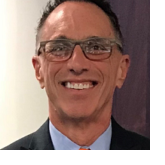
Typically when I start an Editor’s Desk out with the name Dr. Sheri Colberg, everyone always gets ready for an article related to the effects of physical activity, or how to maximize activity for health and glucose control. What most of you do not know is that Dr. Colberg got her Ph.D. for her research on glucose and fatty acid turnover during exercise. This gives her the expertise to talk about a new product that the FDA has given the breakthrough therapy designation to, and how it could change care for type 1 patients.
*****************************
We can make a difference!
*****************************
Dave Joffe
Editor-in-chief
Newsflash: Diabetes Mortality Double for Black vs. White Adults
See this week’s Fact.
TOP STORIES — Diabetes News and Research
By Sheri Colberg, PhD
Have you heard of TTP399? Despite its completely forgettable name used in clinical trials, this potential new oral medication may have the power to lower and stabilize blood glucose in people with type 1 diabetes (T1D). If approved, TTP399 (which would be given a spiffy new brand name) will be the first oral pill to treat T1D.
Researchers sought to identify the prevalence of metabolic syndrome in patients with type 1 diabetes and its relationship to diabetic complication development.
High glucose levels are known to potentiate microvascular complications, especially in people with diabetes, but does the same apply to people with normoglycemic levels?
Fact: Diabetes Mortality Double for Black vs. White Adults
Diabetes mortality rates in the United States were more than twice as high for Black adults compared with white adults from 2008 to 2017, according to a study published in Diabetes Research and Clinical Practice.
The leading cause of diabetes mortality inequities is likely due to issues of systemic racism and oppression. Diabetes mortality rates were calculated from 2008 to 2017 using data from the National Vital Statistics System multiple cause-of-death data file. Diabetes mortality included any death in which diabetes was listed as the underlying cause. Diabetes mortality rates were calculated for the 30 largest U.S. cities according to U.S. Census Bureau data from 2013. American Community Survey estimates from 2010 and 2015 were used to calculate the white population size. U.S. Census Bureau data from 2010 and American Community Survey estimates from 2015 were used to calculate the Black population size. Diabetes mortality rates were also calculated for five years from 2008 to 2012 and another five years from 2013 to 2017.
The diabetes mortality rate for Black adults was 41.49 per 100,000 people from 2008 to 2012 — 2.29 times higher than the rate for white adults of 18.1 per 100,000. The diabetes mortality rate from 2013 to 2017 decreased to 40.36 per 100,000 for Black adults and increased for white adults to 18.27 per 100,000.
Some of the suggestions to improve the situation would be policy actions that cap the cost of insulin and increase access to health care, fruits and vegetables, and opportunities for physical activity. Physicians should advocate for policies such as these to close diabetes and other health inequity gaps.
Buscemi J, et al. Diabetes Res Clin Pract. 2021;doi:10.1016/j.diabres.2021.108652.
Diabetes in Control gratefully acknowledges the assistance of the following pharmacy doctoral candidates in the preparation of this week’s newsletters:
Deonna Andrews, PharmD Candidate 2020 of Florida Agricultural & Mechanical University College of Pharmacy and Pharmaceutical Sciences
Adrian Gavre, PharmD Candidate, Philadelphia College of Osteopathic Medicine
Macrina Ghali, PharmD Candidate 2021, Florida A&M University, College of Pharmacy and Pharmaceutical Sciences
Oluwatayo Ishola, PharmD. Candidate, South College, School of Pharmacy
Shalonda Kimble, PharmD Candidate, South College School of Pharmacy
Laura Martínez López, PharmD. Candidate 2021, Lake Erie College of Osteopathic Medicine, College of Pharmacy
Brenda Oppong, PharmD Candidate, LECOM School of Pharmacy
Your Friends in Diabetes Care
Steve and Dave
Diabetes In Control
www.diabetesincontrol.com