 Diabetes In Control. A free weekly diabetes newsletter for Medical Professionals. News and information for Medical Professionals.
- Empagliflozin’s Effect on Liver Fat
- Gestational Diabetes Mellitus and Long-Term Renal Function
- Sulfonylureas and the Risk of Cardiovascular and Hypoglycemia Events
- What Is Glucotyping?
- Improving and Preserving Beta Cell Function Using Metformin in Youth
- Diabetes Educators on the Front Lines of Care
- Guest Post by David Kliff, Diabetic Investor
Letter from the Editor
 Early in my diabetes career, our publisher and my mentor, Steve Freed, had me live like I had diabetes for 2 weeks. I had to check my glucose before every meal, and count my carbs and calculate an insulin dose each time I ate. Although I didn’t have diabetes, he had an algorithm for me to use to give me high or low readings. I in turn had my interns do the same thing, and over the past 11 years we were actually able to identify a couple of students with diabetes, and six or seven who had prediabetes.
Over the years I have gotten into binge monitoring events, where I would check my glucose 6-8 times a day to see how I was doing. I am in the middle of one of those events now. Over the past four days, I have stuck my fingers 28 times, and on four after-meal occasions I have had a PPG high enough to have diabetes. I even had one morning reading that was over 130. Although my last A1c was 5.4, I still had some readings that could indicate diabetes.
Not many of our patients, or even you our readers, would be crazy enough to go on a monitoring binge like I did, but with the increased use and decreased cost of CGM, there may be an easier way. This week, Amanda Cortes, our PharmD intern, shares an article on Glucotyping and the use of CGM devices to help evaluate why these spikes happen, and how food choices can be individualized to delay or prevent the onset of diabetes.
*****************************
We can make a difference!
*****************************
Dave Joffe
Editor-in-chief***
This Week's Survey
Would you be more open to prescribing a GLP-1 Inhibitor if there was an oral product rather than an injectable? Follow the link to share your opinion and see what your colleagues think.
News Flash -- New Product: InPen System for Diabetes Receives New Regulatory Clearances
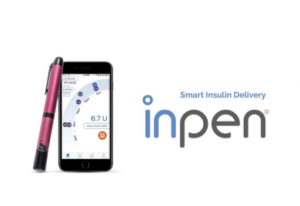 The FDA has granted clearance for the Android version of the InPen app, making the device the first “smart” pen system for Android users. The InPen system has been commercially available for iOS users since December 2017 and is the only FDA-cleared, smart insulin pen paired with an integrated diabetes management app. InPen’s dose calculator, insulin-on-board tracking, and dose reminders do all the tracking, monitoring, and complex calculations for users, while also providing health care professionals with the data they need.
Test Your Knowledge
According to a recent study, frequently consuming meat, poultry, or fish cooked at high temperatures increases the risk for hypertension by how much?
A. 11%
B. 17%
C. 23%
D. 25%
E. 38%
Follow the link for the answer.
Did You Know: Beta Cell Recovery After Weight Loss Causes Reversal of T2D for Some
In patients diagnosed with type 2 diabetes who achieve remission following weight loss and who recover their pancreatic beta cell function early on and maintain it over time, a planned analysis of UK trial data reveals findings that could lead to positive changes in diabetes management. The data suggest that substantial weight loss at the time of diagnosis is appropriate to rescue the beta cells and provide normal glycemia. The results for 306 patients who had type 2 diabetes showed that 46% of the patients achieved remission of their diabetes versus standard care when they were provided an intensive primary care-led weight management program. Patients from 23 practices were assigned to an intervention in which antidiabetic and antihypertensive drugs were withdrawn and their diet was replaced with A 825–853 kcal/day formula diet for 3–5 months. This was followed by stepped food reintroduction over 2–8 weeks with structured support. Patients from the remaining 26 practices served as controls. At 12 months, 24% of patients in the intervention group lost ≥15 kg of weight versus none in the control group (p<0.0001). The actual cause of type 2 diabetes may now be defined and, having defined it, we may be able to do something about it because we have a practical way of doing that. The results show that aggressive management of newly diagnosed T2D patients can cause a reversal of their T2D. — Cell Metabolism 2018; 28, 1–10. doi: 10.1016/j.cmet.2018.07.003
An SGLT-2 inhibitor reduces liver fat and ALT levels in people who have type 2 diabetes.
Elevated eGR fund to possibly lead to renal damage.
Even as 2nd-line drugs, sulfonylureas shown to be cardiotoxic with high rate of low blood glucose
Patients who have normoglycemia still at risk for glucose spikes and diabetes.
Study investigates preservation or improvement of B-cell function using metformin with or without short-term insulin.
Guest Post by David Kliff, Editor, Diabetic Investor
This weekend, the most dedicated people in diabetes will gather in Baltimore for the AADE conference. Year after year, these amazing people gather to see all the latest toys in the toy chest, learn about all the new drugs, and share insights into how they are impacting the lives of the patients they work with.
Quote of the Week!
“Life is really simple, but we insist on making it complicated.”
…Confucius
Diabetes in Control gratefully acknowledges the assistance of the following pharmacy doctoral candidates in the preparation of this week’s newsletter:
Amanda Cortes, PharmD Candidate, LECOM School of Pharmacy
Kaytie A. Weierstahl, Pharm.D. Candidate, LECOM School of Pharmacy
Your Friends in Diabetes Care
Steve, Dave, and Joy
Diabetes In Control
810 Bear Tavern Road Suite 102
Ewing, NJ, 08628
USA
www.diabetesincontrol.com***