 Diabetes In Control. A free weekly diabetes newsletter for Medical Professionals. News and information for Medical Professionals.
- Glycated Hemoglobin Directly Impacts Cardiovascular Disease Risk
- Vitamin D Supplementation for Diabetes Prevention
- Modified Dietary Interventions in Gestational Diabetes
- High Diabetes Distress Among Ethnic Minorities
- Asian Indians Developing Diabetes After Adopting Poor Lifestyle
- Avoid Weight Gain from Treating Lows and from Insulin Use
- By Sheri R. Colberg, PhD, FACSM
Letter from the Editor

Have you ever noticed that those of us born in the 50’s and 60’s tend to reminisce about how when we were kids, we had to walk or ride our bikes everywhere, and our parents always would make us play outside after school until dinner was served? We tend to think all that physical activity kept us thinner and in better health than kids born in the 70’s and after. In fact, many clinicians say that the reason so many younger adults get diabetes is from this lack of outside playtime in the sun.
Now new research that our current LECOM School of Pharmacy PharmD Candidate, Amanda Cortes, found points to another reason why all those afternoons we played outside instead of watching TV or playing video games may have decreased our risk of diabetes, and how taking a simple vitamin may be able to replace the time in the sun.
*****************************
We can make a difference!
*****************************
Dave Joffe
Editor-in-chief
This Week's Survey
Should we lower the A1c to 5.7 for the diagnosis for diabetes and remove prediabetes as a diagnosis, so that we can treat pharmaceutically? Follow the link to share your opinion.
Patient App: Glooko
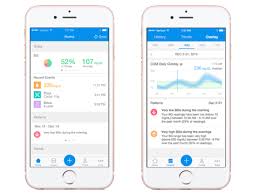 Price: Free
Description: Managing diabetes involves knowing your numbers. Glooko monitors your medications, carb intake, and more. It integrates data from most continuous glucose monitors, blood glucose meters, insulin pumps, and fitness trackers. View your progress via charts and keep track of your history. If your doctor sponsors you, or your employer or insurer covers the fee, the app can be used completely free of charge.
Test Your Knowledge
Your patient has been systematically titrating his basal insulin dose for the last 6 months. His daily dose is NPH .90 U/kg/day. Despite his good efforts, you decide it would be prudent to add a prandial insulin dose to his treatment regimen. Which of the following scenarios might lead you to this conclusion?
A. A1C=7.4%, FPG less than 130 mg/dl, PPG greater than 180 mg/dl
B. A1C=7.0%, FPG less than 130 mg/dl, PPG less than 180 mg/dl
C. A1C=7.0%, FPG less than 120mg/dl, PPG less than 160mg/dl
D. A1C=6.8%, FPG less than 120 mg/dl, PPG less than 160 mg/dl
Follow the link for the answer.
Did You Know: Waist Size Predicts Heart Attacks Better Than BMI, Especially In Women
Women with bigger waists relative to their hips face a higher risk of heart attacks than men with a similar body shape, according to a new study. The study, published in the Journal of the American Heart Association, suggests that a waist-to-hip ratio measurement may be a better indicator of heart attack risk than body mass index for both men and women. Previous studies have shown that it’s not just general obesity, but also where fat is stored on the body, that contributes to an increased risk of heart disease. However, past research was unclear on what role gender played in the equation, despite clear differences between men and women in body fat distribution. For this study, researchers looked for sex-specific links between excess weight, fat distribution, and heart disease risk in nearly half a million men and women ages 40 to 69 in the United Kingdom who had no previous history of heart disease. During seven years of follow-up, 5,710 heart attacks were recorded among participants, with women experiencing a 15 percent higher risk of heart attacks than men with a similar waist-to-hip fat distribution. On average, waist circumference among all participants was about 33½ inches in women and about 38¼ inches in men. Women with a waist size greater than 35 inches and men with a waist larger than 40 inches are at higher risk for heart disease and type 2 diabetes, according to the National Heart, Lung, and Blood Institute. ”This study points to BMI as a flawed measure and offers evidence that we ought to be measuring waist circumference systematically,” researchers said — The study, published in the Journal of the American Heart Association,
Reducing HbA1c may be new goal of therapy to prevent coronary artery disease and other subtypes.
Vitamin D shows potential to lower HbA1c, FPG, insulin resistance, and 2-hour post-prandial glucose levels.
Birth weight and maternal glycemia are favorably influenced by dietary changes.
Unsuccessful diabetes management found to lead to more distress, worse patient outcomes.
Sedentary lifestyle, unhealthy eating increasing risk of developing cardiometabolic diseases.
By Sheri R. Colberg, PhD, FACSMJ
It’s possible to gain weight from treating too many bouts of hypoglycemia. I addressed this topic over a decade ago, but it remains relevant and worth revisiting, along with addressing some new insights on weight gain in general with insulin use.
Quote of the Week!
“It is during our darkest moments that we must focus to see the light.”
…Aristotle
Diabetes in Control gratefully acknowledges the assistance of the following pharmacy doctoral candidates in the preparation of this week’s newsletter:
Amanda Cortes, PharmD Candidate, LECOM School of Pharmacy
Your Friends in Diabetes Care
Steve, Dave, and Joy
Diabetes In Control
810 Bear Tavern Road Suite 102
Ewing, NJ, 08628
USA
www.diabetesincontrol.com